How to Attract Gen Z Travelers to Your Hotel

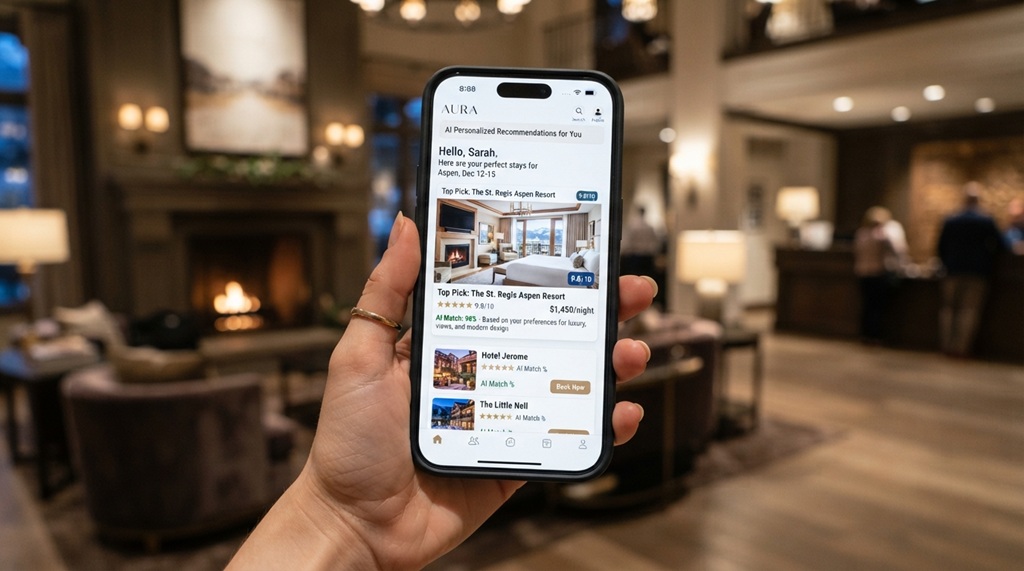
Attracting Gen Z travelers to your hotel means rethinking a few core things. Your booking experience, social media presence, pricing structure, and on-property amenities all need to reflect what this generation actually values: authenticity, flexibility, and digital convenience. Gen Z is generally defined as people born between 1997 and 2012. They’re now one of the fastest-growing segments of leisure travelers, and hotels still marketing to them like Millennials or Gen X are already falling behind.

How to Upgrade Hotel Room Service and Delight Guests

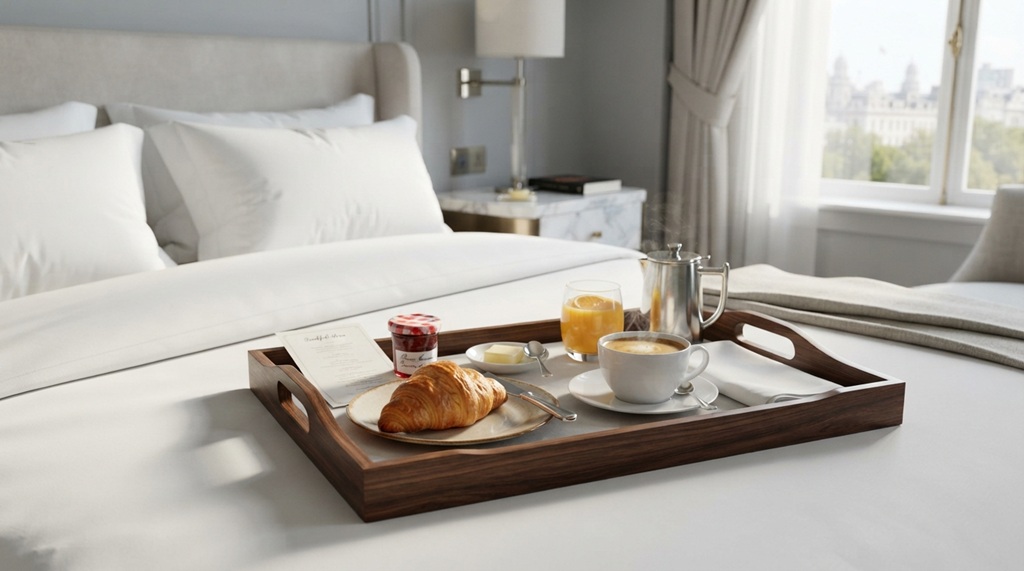
To upgrade hotel room service, focus on four things: the menu, the ordering process, delivery speed, and small personal touches. It’s not about adding more items to a laminated card. It’s about removing friction and adding surprise. Guests now compare your in-room dining to food delivery apps, not just to the hotel down the street. The bar has quietly gotten much higher.

How to Price Hotel Restaurant Menus for Maximum Margin

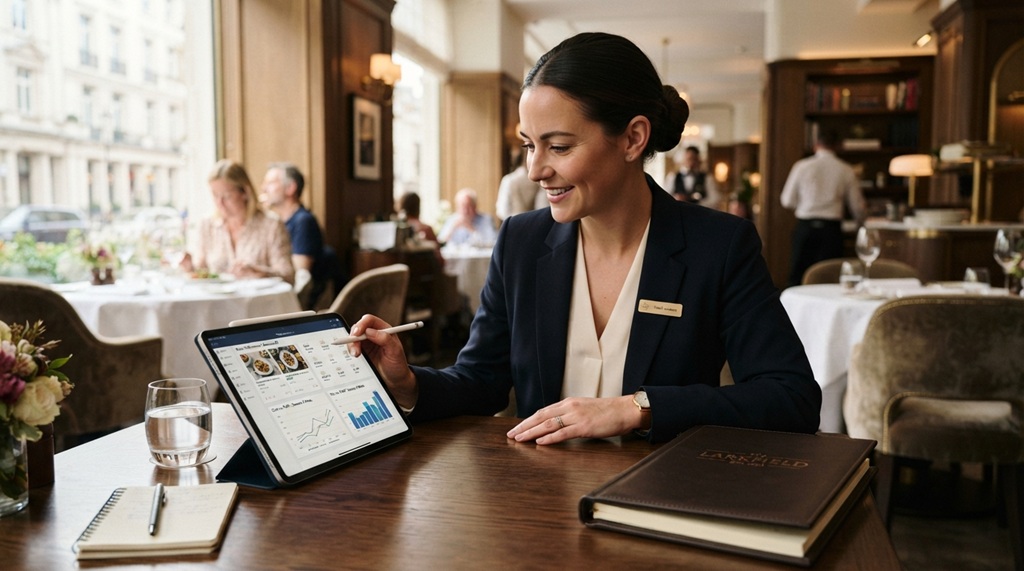
Pricing a hotel restaurant menu for maximum margin comes down to three things. Know your true food cost per dish. Price based on contribution margin, not just cost percentage. Then design the menu layout to nudge guests toward your most profitable items. Get these three right, and you can lift restaurant profitability. You won’t need to raise prices across the board or scare off guests.

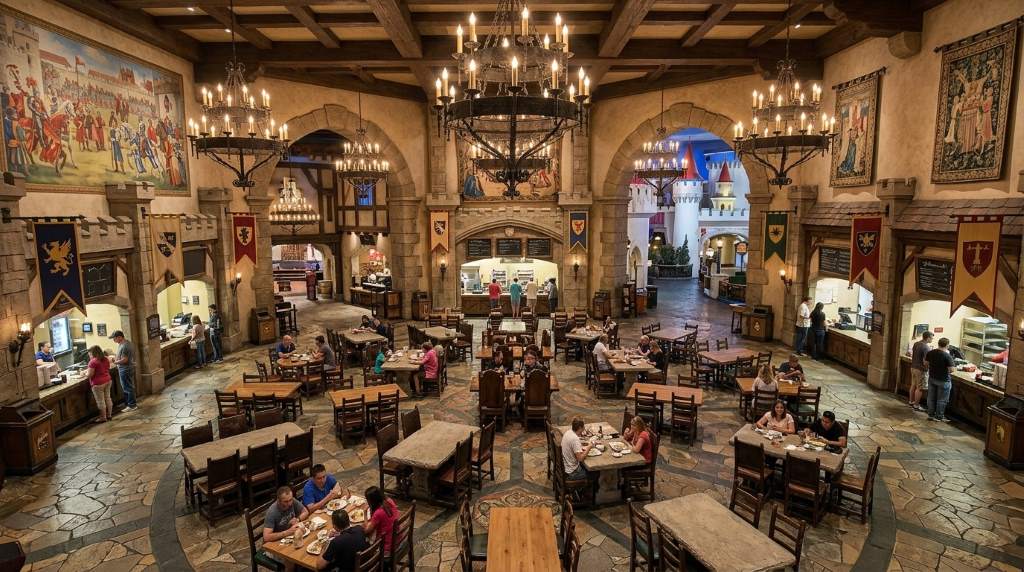
Excalibur Hotel Las Vegas Food Court​​​​ Review

Finding affordable food on the Las Vegas Strip can feel challenging. However, the Castle Walk Food Court at Excalibur Hotel & Casino offers a practical solution for travelers seeking convenience, variety, and value. Located inside one of Las Vegas’ most iconic resorts, this food court attracts thousands of visitors daily.

What Is the Difference Between a Hotel and a Motel​​​​

Travelers across the United States book millions of accommodation stays every year. According to recent hospitality industry reports, the U.S. lodging industry records over one billion room nights annually. However, many travelers still ask one common question: what is the difference between a hotel and a motel? Understanding this distinction can help you save money, choose better accommodations, and improve your overall travel experience. While both options provide temporary lodging, they differ significantly in design, services, location, pricing, and guest experience. This guide explains everything you need to know before making your next reservation.

What Are the 7 Types of Menus for a Good Hotel?

Every great hotel experience begins long before the first bite. According to a Cornell Hospitality Report, food and beverage services contribute up to 35% of a hotel’s total revenue. Understanding what are the 7 types of menus for a good hotel helps hospitality professionals design dining experiences that boost guest satisfaction and drive repeat business. Whether you manage a boutique inn or a five-star resort, the right menu strategy is a powerful tool in your arsenal.

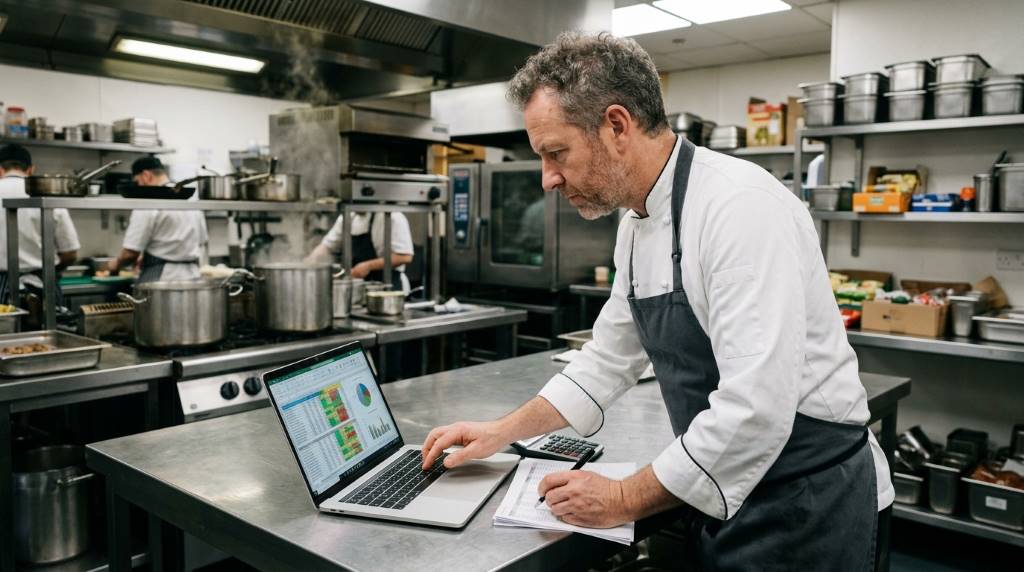
How to Calculate Food Costs in a Hotel Restaurant Like a Pro

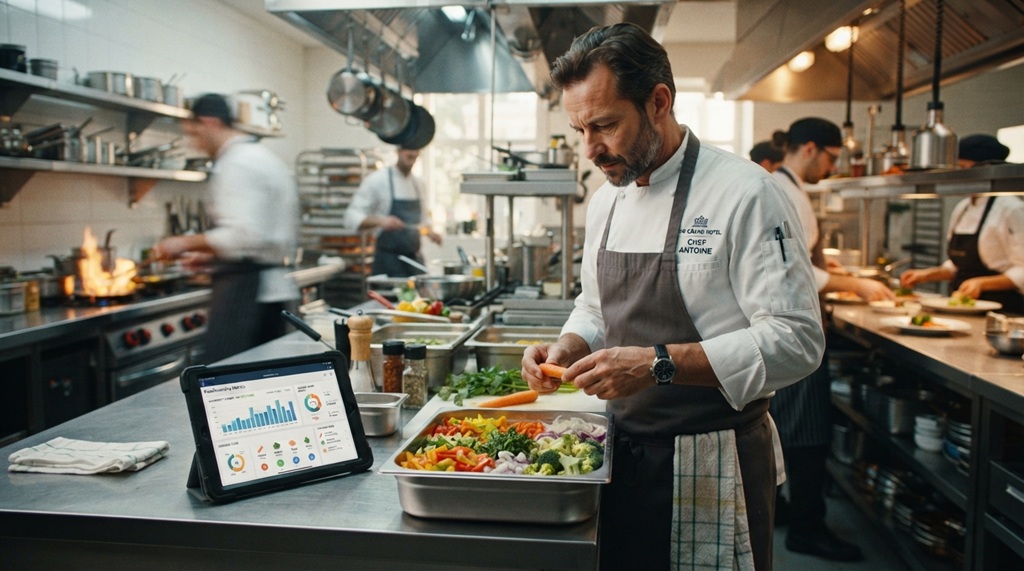
Running a profitable hotel restaurant starts with one critical skill: knowing exactly where your money goes. Studies show that food costs typically consume 28% to 35% of a restaurant’s total revenue, making cost control one of the biggest levers for profitability. Yet many hotel food and beverage managers still rely on guesswork instead of a reliable system. Learning how to calculate food costs in a hotel restaurant gives you the data-driven edge to boost margins, reduce waste, and price your menu with confidence. This guide walks you through every step in plain, practical language.