How to Run Daily Hotel Front Desk Operations Like a Pro

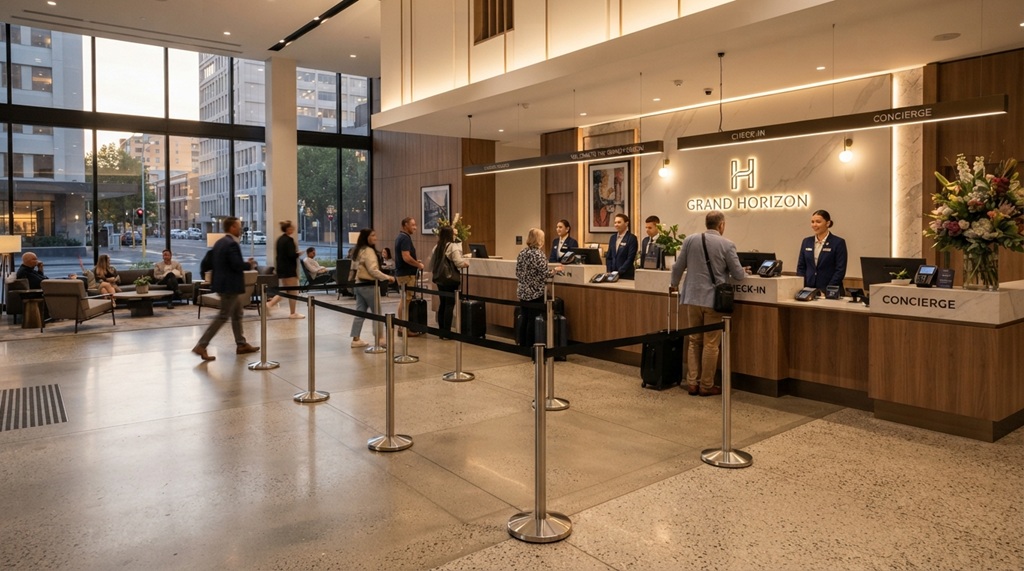
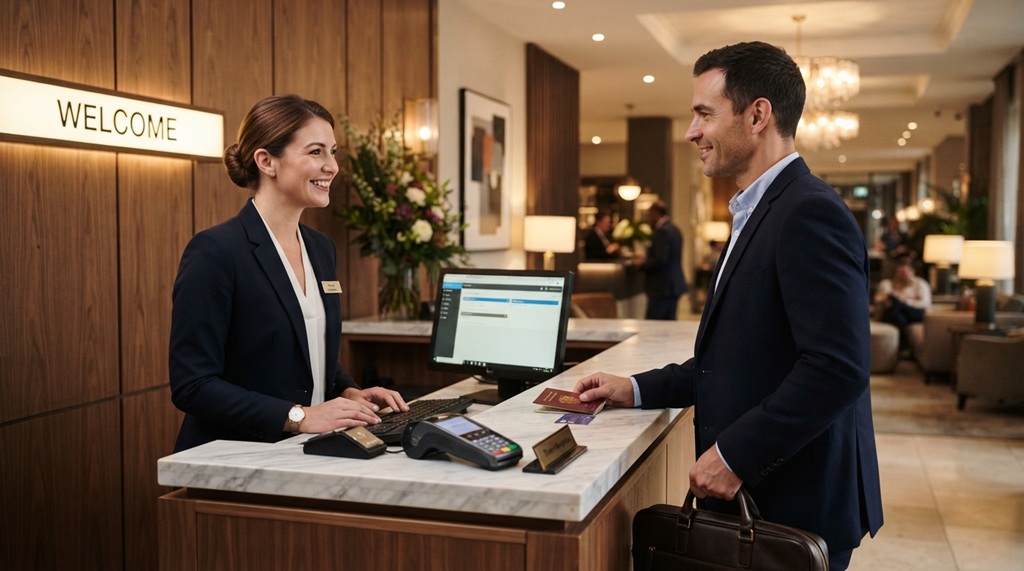
Running a hotel front desk well means following the same core routine every single day: a clean shift handover, an accurate room status check, fast check-ins and check-outs, and calm problem-solving when things go wrong. Front desk agents who master this rhythm keep guests happy and keep the whole hotel running smoothly. This guide breaks that rhythm down into clear, repeatable steps.

How to Turn Around a Failing Hotel Business Step by Step

A failing hotel can recover. The turnaround starts with an honest audit of your finances, followed by fast cuts to waste, a refreshed guest experience, and a smarter revenue strategy. Most hotels don’t fail because the market disappeared. They fail because problems went unnoticed for too long, or leaders avoided hard decisions.

How to Reduce Hotel Operational Costs Without Cutting Quality

You can cut hotel operating costs without lowering guest experience. The trick is to target waste, not value. Waste hides in energy use, staffing patterns, vendor contracts, and outdated processes. Guest experience lives in service, comfort, and consistency. When you separate the two, you can cut one without touching the other.

How to Improve Hotel Guest Retention and Repeat Bookings

Improving hotel guest retention starts with one goal: make guests want to come back before they even check out. You do this by delivering a consistent experience, staying in touch after their stay, and giving them a real reason to book direct next time. Retention is not a marketing trick. It is the result of everything a guest feels from booking to departure.

What Is the Difference Between a Hotel and a Motel​​​​

Travelers across the United States book millions of accommodation stays every year. According to recent hospitality industry reports, the U.S. lodging industry records over one billion room nights annually. However, many travelers still ask one common question: what is the difference between a hotel and a motel? Understanding this distinction can help you save money, choose better accommodations, and improve your overall travel experience. While both options provide temporary lodging, they differ significantly in design, services, location, pricing, and guest experience. This guide explains everything you need to know before making your next reservation.