How to Improve Sustainable Hotel Practices to Attract Guests

Sustainable hotel practices attract guests because more travelers now choose eco-conscious properties over traditional ones. Guests actively search for green certifications, energy-saving features, and waste-reduction programs before they book. Hotels that adopt these practices see stronger reviews, repeat bookings, and lower operating costs.

How to Boost Hotel Eco-Friendly Practices to Win Guests

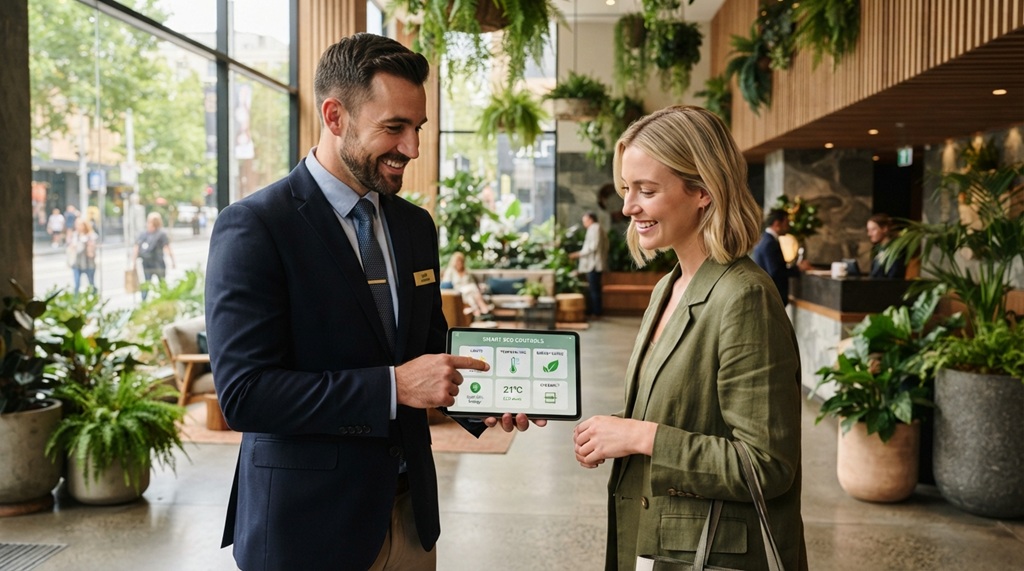
Guests now choose hotels based on how green they are, not just on price or location. To win them, you need to boost your hotel’s eco-friendly practices in ways guests can actually see and feel. This means visible changes: refill stations instead of plastic bottles, energy-saving lights, and clear signs that explain what you’re doing and why.

How to Attract Gen Z Travelers to Your Hotel

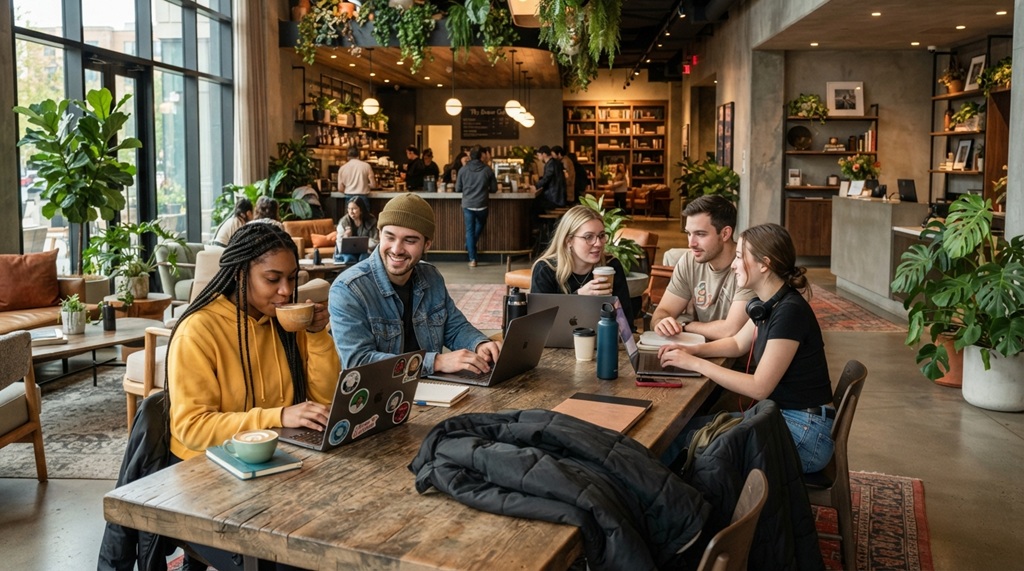
Attracting Gen Z travelers to your hotel means rethinking a few core things. Your booking experience, social media presence, pricing structure, and on-property amenities all need to reflect what this generation actually values: authenticity, flexibility, and digital convenience. Gen Z is generally defined as people born between 1997 and 2012. They’re now one of the fastest-growing segments of leisure travelers, and hotels still marketing to them like Millennials or Gen X are already falling behind.

How AI Is Changing Hotel Bookings

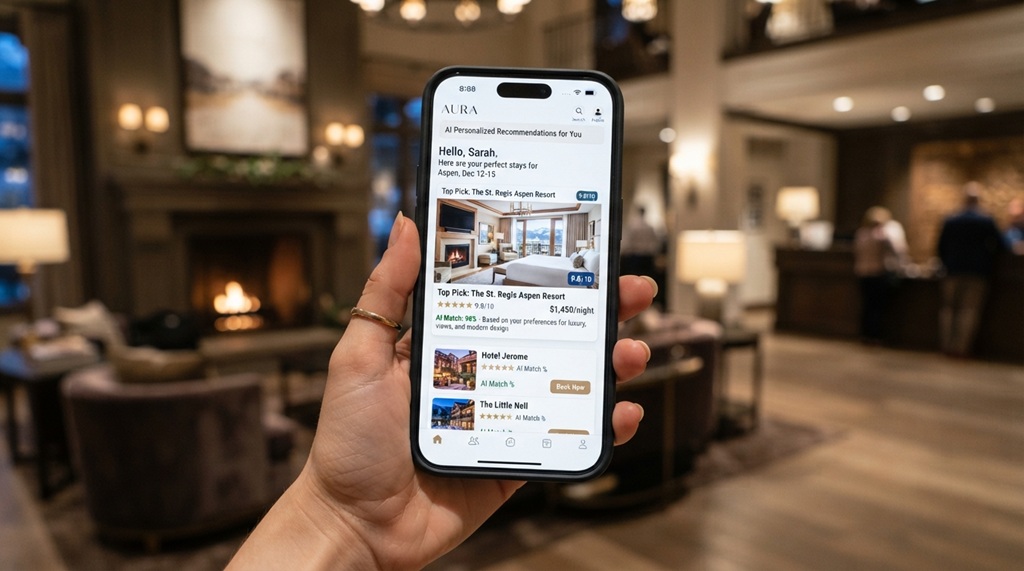
The travel industry is undergoing a seismic shift, and how AI is changing hotel bookings sits at the very center of it. According to a 2024 report by Skift Research, over 65% of travelers now rely on AI-powered tools at some point during their booking journey. Meanwhile, hotels using AI-driven pricing strategies report up to a 15% increase in revenue per available room. These numbers tell a compelling story about a technology that is no longer optional — it is becoming the standard.

The Important Cybersecurity Threats in the Hotel Industry

The hotel industry handles millions of guest records, payment transactions, and booking data every single day. According to IBM’s Cost of a Data Breach Report, the hospitality sector faces an average breach cost of over $3.4 million per incident. A separate study by Trustwave found that hotels rank among the top three most targeted industries for cyberattacks globally. Understanding what the important cybersecurity threats in the hotel industry is no longer optional — it is a critical business priority. Failing to act can destroy guest trust and damage a brand’s reputation permanently.