AI helps hotels increase direct sales by personalizing offers, answering guest questions instantly, and pricing rooms smarter than static rate sheets ever could. It removes the friction that pushes travelers back to OTAs. The result: more bookings on your own website, and lower commission costs.
Most hotels lose direct bookings for one simple reason. Their website experience feels slower and less helpful than Booking.com or Expedia. AI closes that gap. It gives independent hotels the same speed and personalization that big platforms use, without a big platform’s budget.
This guide breaks down exactly where AI fits into your booking funnel. You’ll see practical tools, real use cases, and steps you can start this month.
Why Direct Bookings Still Lag Behind OTAs
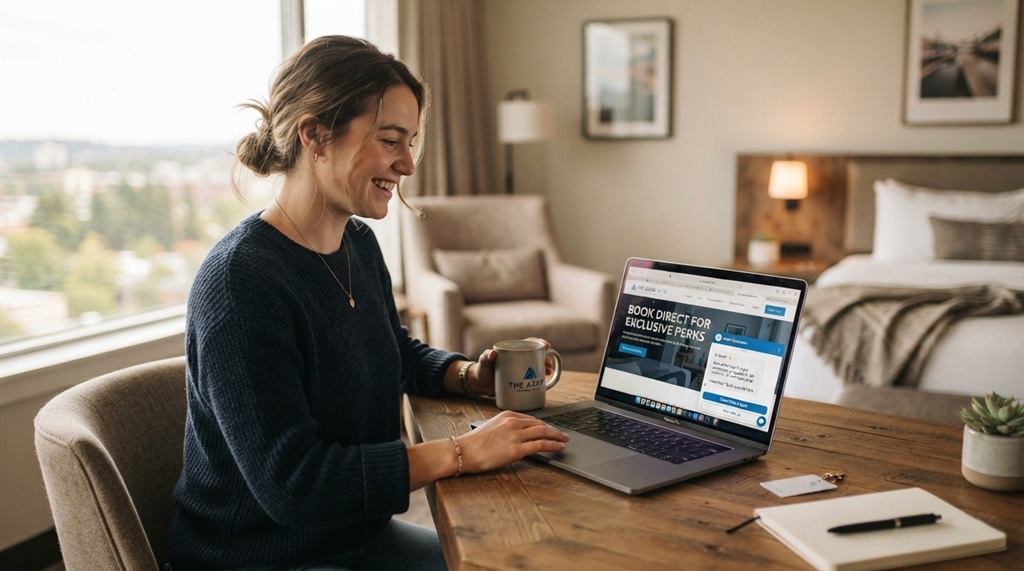
Direct bookings lag because OTAs offer guests convenience: instant comparison, reviews, and one-click checkout. Hotel websites often can’t match that experience without help.
Guests don’t choose OTAs because they love paying commission-inflated rates. They choose OTAs because the booking process feels easier. A traveler can compare ten hotels in two minutes on Expedia. On many hotel websites, that same guest waits for a page to load, then hunts for room types, then gives up.
AI fixes this by speeding up decisions. It suggests the right room instantly. It answers a pricing question without a phone call. It removes the small hesitations that send guests back to search results.
Directing Intent: How Real-Time AI Chatbots Secure Direct Reservations
By delivering immediate, high-touch responses at the critical decision point, AI chatbots eliminate booking friction and prevent potential guests from migrating to third-party OTAs. These intelligent assistants engage visitors precisely when interest peaks, offering tailored recommendations that not only elevate conversion rates but also cater to evolving guest standards—an essential capability for properties looking to attract Gen Z travelers to your hotel through effortless, mobile-first digital interactions.
They Answer Booking Questions Instantly
A guest browsing at 11 p.m. wants to know if a room fits a family of four. Without a live answer, they leave the page. A chatbot answers instantly, in any language, and keeps the guest moving toward checkout.
They Recover Abandoned Carts
Most guests who start a booking don’t finish it. An AI system can trigger a follow-up message or targeted email within minutes, often with a small incentive like free breakfast. This single tactic recovers bookings that would otherwise disappear.
They Handle Pre-Arrival Upsells
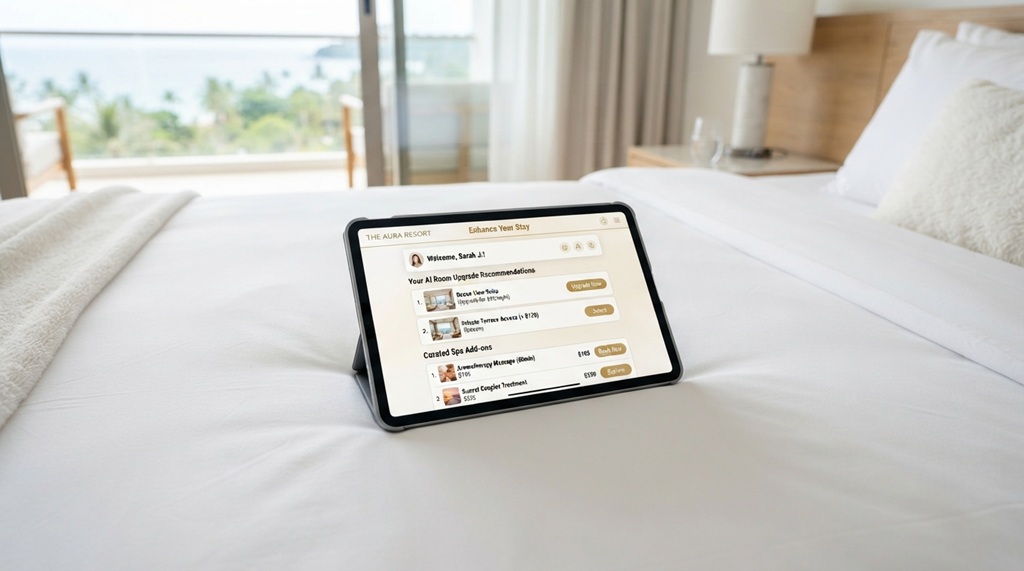
Once a guest books, AI chat tools can suggest a room upgrade or a spa package before check-in. This adds revenue without extra staff time, and it happens automatically.
Using AI for Dynamic Pricing That Beats OTA Rates
AI-driven dynamic pricing adjusts your room rates in real time based on demand, local events, and competitor pricing. This keeps your direct rates competitive without constant manual work.
Traditional revenue management relies on a person checking competitor rates and adjusting prices by hand. That process is slow and reactive. AI pricing tools scan hundreds of data points at once: local events, flight searches, weather, and historical demand. They adjust your rates automatically, often several times a day.
This matters for direct sales because guests compare prices before booking. If your direct rate matches or beats the OTA rate, and you offer a small perk like free parking, many guests will choose to book with you.
A genuinely useful tip most articles skip
Set your AI pricing tool to flag “rate parity gaps” moments where your OTA listing shows a lower price than your own site due to a promo or glitch. These gaps happen more often than hotels realize, and they quietly push bookings straight to OTAs. Catching them weekly, not monthly, protects direct revenue you’re already losing without noticing.
Personalizing the Booking Experience With AI Recommendations
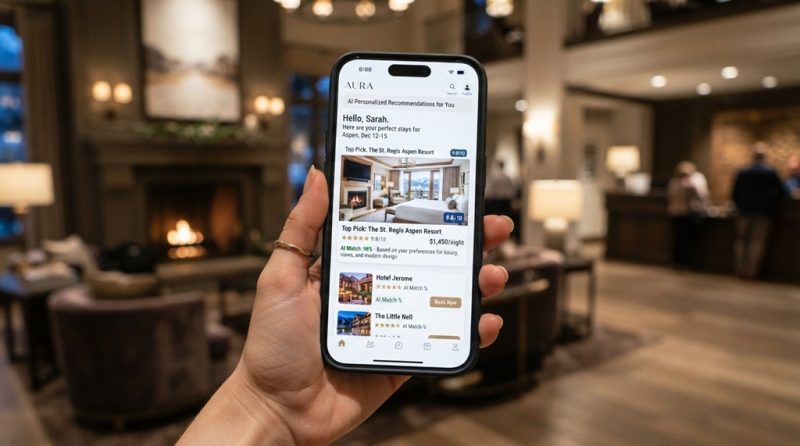
AI recommendation engines increase direct bookings by showing each guest the room type and add-ons they’re most likely to want, based on their browsing behavior and past stays.
Matching Room Types to Guest Intent
A business traveler browsing on a weekday afternoon has different needs than a family browsing on Saturday morning. AI tools read these signals and adjust which rooms and packages appear first. This small shift raises conversion rates because guests see relevant options faster.
Personalizing Return Guest Offers
For guests who’ve stayed before, AI can pull their history and suggest the same room type or a relevant upgrade. This kind of personal touch is something OTAs can’t easily replicate, since they don’t own the guest relationship the way your hotel does.
AI-Powered Search and Voice Booking Tools
AI search tools help guests find and book rooms faster by understanding natural language, not just exact keyword matches. This reduces the steps between “I’m looking for a room” and “booking confirmed.”
Guests increasingly search in full sentences: “pet-friendly hotel near the beach with a pool.” A basic search bar struggles with this. An AI-powered search understands intent and returns the right filtered results immediately.
Voice booking is smaller in adoption but growing. Some hotel groups now let guests check availability and book through voice assistants. It’s not yet essential for every property, but it’s worth watching as guest habits shift toward voice search for travel.
Using AI to Reduce No-Shows and Increase Repeat Direct Bookings
AI reduces no-shows by predicting which bookings are at risk and prompting timely reminders, and it increases repeat direct bookings by identifying past guests through email marketing at the right moment.
Predicting and Preventing No-Shows
AI models can flag bookings with a higher chance of no-show, based on patterns like last-minute booking time or unusual price sensitivity. Hotels can then send a confirmation nudge or request a card hold, cutting lost revenue from empty rooms.
Bringing Past Guests Back Without an OTA
AI tools can scan your guest database and identify who’s likely to travel again soon, based on past booking timing. A well-timed email to these guests, sent directly instead of through an OTA, keeps that booking commission-free.
Getting Started: A Practical AI Roadmap for Independent Hotels
Start small: pick one AI tool that solves your biggest current problem, whether that’s slow response times, weak pricing, or low personalization. Trying to implement everything at once usually stalls the whole project.
Most independent hotels don’t need every AI tool on the market. They need the one or two that fix their biggest leak first. If your website has high traffic but low conversion, start with a chatbot. If your rates constantly lag behind demand, start with dynamic pricing.
Talk to your property management system provider first. Many PMS platforms now offer built-in AI features or easy integrations, which means you may not need a separate tool at all. This saves both budget and setup time.
Track results for 60 to 90 days before adding a second tool. This gives you real data on what’s working, instead of guessing based on vendor promises.
FAQ
Does AI actually reduce OTA commission costs, or just shift bookings around?
AI reduces OTA dependence by making your direct site fast and personal enough that guests choose it over OTAs. Fewer OTA bookings mean lower commission payouts. It’s not a shift; it’s a real reduction in fees paid per booking.
Is AI booking technology affordable for small, independent hotels?
Yes, many AI tools now offer pricing based on hotel size or booking volume, not flat enterprise rates. Chatbot and pricing tools built for independent hotels often cost less than one lost OTA commission per month.
Will AI replace my front desk or reservations staff?
No, AI handles repetitive tasks like answering common questions and adjusting prices, freeing staff for guest service that needs a human touch. Most hotels use AI to support staff, not replace them.
How long does it take to see results from AI booking tools?
Most hotels see early results, like faster response times or better conversion rates, within 30 to 60 days. Full pricing optimization usually needs a full seasonal cycle to show its real impact.
Do guests mind interacting with an AI chatbot instead of a person?
Most guests are comfortable with chatbots for quick questions, especially outside business hours. The key is offering an easy handoff to a real staff member for anything complex or urgent.
Conclusion
AI in hotel booking isn’t about replacing your team. It’s about removing the friction that sends guests to OTAs instead of your own website. Chatbots answer questions instantly. Dynamic pricing keeps your rates competitive. Personalization makes guests feel seen, not processed.
Start with one tool, measure it honestly, and build from there. The hotels winning direct bookings right now aren’t using the most AI. They’re using it in the right place, at the right moment in the guest journey.