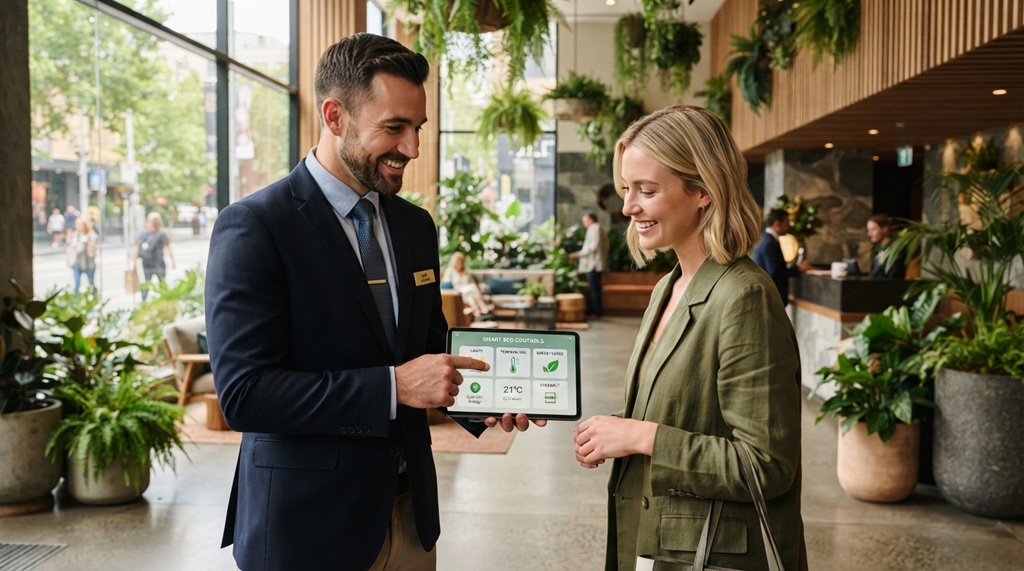
Guests now choose hotels based on how green they are, not just on price or location. To win them, you need to boost your hotel’s eco-friendly practices in ways guests can actually see and feel. This means visible changes: refill stations instead of plastic bottles, energy-saving lights, and clear signs that explain what you’re doing and why.
This shift is not just good for the planet. It’s good for your bottom line. Eco-friendly hotels often cut utility costs, earn better reviews, and attract a growing group of travelers who actively search for sustainable stays.
In this guide, you’ll find practical steps you can start using this month. No greenwashing. No vague promises. Just real actions that guests notice and reward with bookings and glowing reviews.
Why Eco-Friendly Practices Matter for Modern Hotels
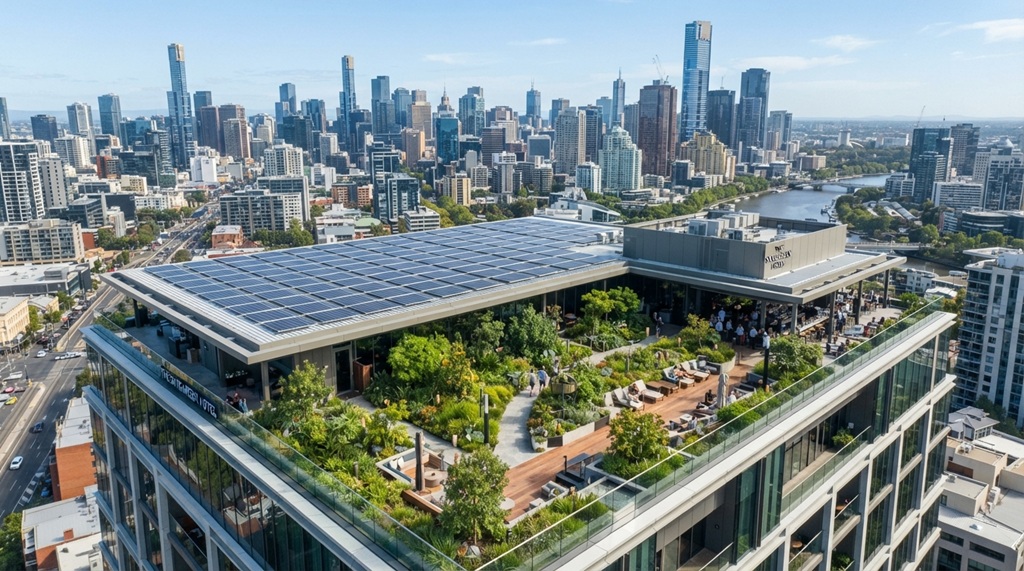
Sustainability now shapes where travelers choose to stay. According to industry experts, more guests are willing to pay extra for hotels that show genuine environmental commitment.
This shift affects three areas of your business directly:
Guest Expectations Have Changed
Travelers, especially younger ones, check a hotel’s sustainability efforts before booking. They look for details on your website, in reviews, and on booking platforms. If they can’t find this information, they may choose a competitor instead.
Cost Savings Add Up Fast
Energy and water waste drain your budget every single day. Small changes, like switching to LED lighting or fixing leaky faucets, reduce monthly bills. Over a year, these savings can fund larger upgrades like solar panels or smart thermostats.
Regulations Are Tightening
Many cities and countries now require hotels to meet specific environmental standards. Acting early helps you avoid fines. It also positions your property as a leader instead of a follower when new rules arrive.
Orchestrating Efficiency: Immediate Returns Through Precision Resource Management
Initiating a sustainability strategy with energy and water conservation yields rapid, highly visible operational dividends without requiring prohibitive initial capital. By deploying intelligent occupancy sensors and automated climate control systems, properties can dynamically minimize energy drift the moment guests step out of their suites. When paired with using AI in hotel booking to boost direct sales, hoteliers synthesize eco-conscious utility management with high-margin revenue acquisition streamlining backend sustainability and bottom-line growth within a unified, tech-forward guest ecosystem.
Switch to Smart Energy Systems
Install motion-sensor lighting in hallways, bathrooms, and storage areas. Add smart thermostats that adjust room temperature based on occupancy. These tools cut energy use without guests noticing any drop in comfort.
Fix Water Waste at the Source
Leaky faucets and old showerheads waste thousands of gallons each year. Low-flow fixtures reduce water use by up to 30% in many properties, according to industry experts, while guests barely notice the difference in pressure.
Track Usage With Simple Dashboards
Use a basic monitoring system to track energy and water use by floor or department. This data shows you exactly where waste happens, so you can fix problems before they cost you money.
How to Reduce Single-Use Plastics Without Frustrating Guests
Cutting plastic waste works best when you replace it with something guests actually prefer, not just remove it. The goal is convenience, not sacrifice.
Replace small plastic toiletry bottles with refillable dispensers mounted in the shower. Guests find these easier to use, and you save money on constant restocking. Swap plastic water bottles for glass bottles or a filtered water station in the lobby. Offer reusable tote bags or reduce plastic key cards by switching to mobile room keys through your app.
A genuinely useful tip most articles skip
Train your housekeeping staff to spot which rooms don’t need daily replenishing of dispensers, based on usage levels they can check visually. This small habit prevents unnecessary product waste and gives staff a sense of ownership over sustainability goals, which boosts morale.
Building a Waste Reduction and Recycling Program That Works
A recycling program only works if it’s simple for both guests and staff to follow. Complicated systems get ignored.
Set Up Clear Sorting Stations
Place labeled bins in guest rooms, hallways, and back-of-house areas. Use icons, not just text, so language barriers don’t cause confusion. Keep the system consistent across every floor.
Partner With Local Composting Services
Food waste from your restaurant or breakfast buffet can go to local composting programs instead of landfills. Many cities offer this service at low cost, and it significantly cuts your waste output.
Donate Instead of Discarding
Partner with local shelters or charities to donate unused soap, linens, and furniture you’re replacing. This reduces landfill waste and builds goodwill in your community, which often leads to positive local press.
How to Market Your Eco-Friendly Practices to Attract Guests
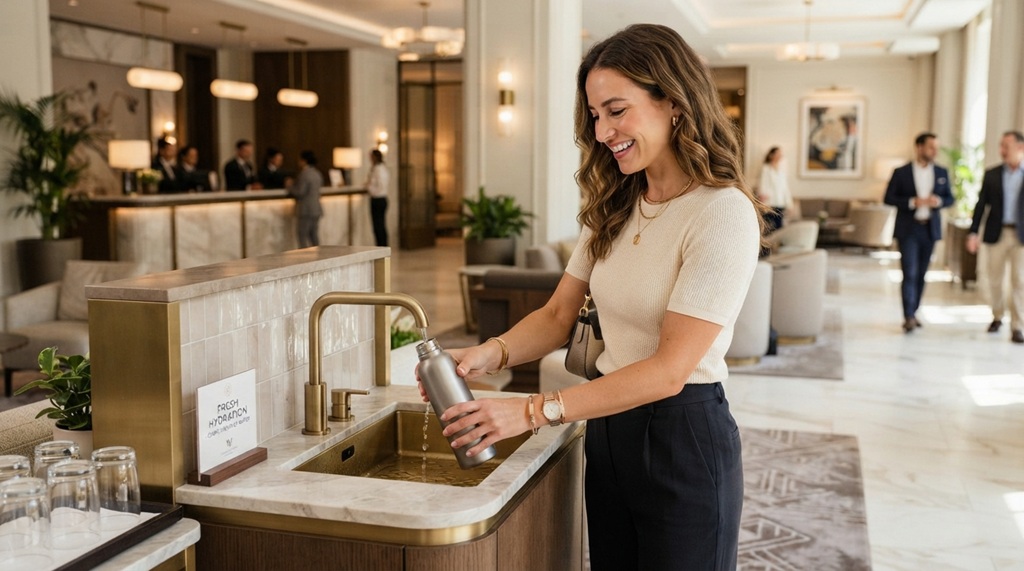
Marketing your sustainability efforts works best when you show proof, not just claims. Guests trust specifics over slogans.
Use Your Website and Booking Pages
Add a dedicated sustainability page that lists your specific actions: energy savings, waste programs, and any certifications you hold. Avoid vague phrases like “eco-conscious.” Instead, state exact numbers, such as “we reduced water use by 25% since 2023.”
Highlight Certifications
Certifications like LEED, Green Key, or EarthCheck give guests a trusted, third-party signal that your claims are real. Display these badges prominently on your website and at your front desk.
Train Staff to Share the Story
Front desk and housekeeping staff should know your hotel’s sustainability efforts well enough to answer guest questions confidently. A guest who hears a genuine explanation trusts your brand more than one who reads a generic pamphlet.
Leverage Guest Reviews
Encourage guests to mention your green initiatives in their reviews. Send a follow-up email after checkout that highlights one specific eco-friendly feature they experienced, and ask if they’d share their thoughts.
Common Mistakes Hotels Make When Going Green
Many hotels stumble in the same few ways when they try to boost eco-friendly practices. Knowing these mistakes helps you avoid them.
The biggest mistake is greenwashing: claiming to be sustainable without real action behind it. Guests spot this quickly, and it damages trust more than doing nothing at all. Another common error is making changes invisible to guests. If you switch to solar power but never mention it anywhere, you lose the marketing value of that investment.
Some hotels also try to do everything at once, which overwhelms staff and budgets. Start with two or three changes, measure the results, and then expand. Finally, many properties forget to involve staff in the planning process. Employees who feel included in sustainability goals tend to stick with new habits longer than those who feel changes were forced on them.
Frequently Asked Questions
What is the fastest way to make my hotel more eco-friendly?
Start with energy and water fixes like LED lighting, motion sensors, and low-flow fixtures. These changes require low upfront cost and show savings within the first few months.
Do eco-friendly practices really attract more guests?
Yes. A growing segment of travelers actively searches for sustainable stays and reads reviews for proof of green practices. Hotels that show clear, specific efforts often see stronger guest loyalty and repeat bookings.
How much does it cost to make a hotel sustainable?
Costs vary widely depending on the scope of changes. Simple swaps like refillable dispensers cost very little, while larger projects like solar panels require a bigger investment that typically pays off over several years.
Should I get a green certification for my hotel?
Certifications like Green Key or LEED add credibility and help guests trust your claims faster. They’re not required, but they do make your marketing efforts more effective.
How do I get staff on board with new eco-friendly policies?
Involve staff early in the planning process and explain the reasoning behind each change. Staff who understand the “why” behind a policy are far more likely to follow it consistently.
Conclusion
Boosting eco-friendly practices at your hotel is no longer optional if you want to win guests in today’s market. Start small with energy and water fixes, then expand into waste reduction and clear marketing. Guests reward hotels that show real, specific action, not vague promises. Begin with one or two changes this month, measure the results, and build from there.