A failing hotel can recover. The turnaround starts with an honest audit of your finances, followed by fast cuts to waste, a refreshed guest experience, and a smarter revenue strategy. Most hotels don’t fail because the market disappeared. They fail because problems went unnoticed for too long, or leaders avoided hard decisions.
This guide breaks the turnaround process into clear, practical steps. You’ll learn how to spot the real causes of decline, stabilize cash flow, rebuild your reputation, and set the property up for long-term growth. Each step below works on its own, so you can jump to the section most relevant to your situation.
Turning around a hotel takes discipline, not luck. The steps here reflect what experienced hospitality operators and turnaround consultants use in real recovery cases.
Step 1: Diagnose the Real Cause of the Decline
Before fixing anything, you need to know exactly why your hotel is losing money. Guessing leads to wasted effort and wrong priorities.
Review Your Financial Statements Line by Line
Start with your profit and loss statement, balance sheet, and cash flow report from the last 12 to 24 months. Look for the exact month things started to shift. Did occupancy drop first, or did average daily rate (ADR) fall while occupancy stayed flat? These two numbers tell very different stories, and each needs a different fix.
Separate Market Problems From Operational Problems
Some declines come from outside forces: a new competitor, road construction, or a slow local economy. Others come from inside the hotel: poor service, outdated rooms, weak marketing, or bad staff scheduling. List every factor you can identify, then mark each one as “market” or “operational.” This split will guide where you spend your energy first.
Talk to Your Team and Your Guests
Numbers only tell part of the story. Front desk staff, housekeepers, and guests often know what’s wrong long before it shows up in a spreadsheet. Ask direct questions. Read recent reviews closely, not just the star rating, but the actual comments.
Step 2: Stabilize Cash Flow Immediately
Cash flow problems can shut down a hotel faster than low occupancy alone. Fixing cash flow buys you the time you need for a real turnaround.
Cut Non-Essential Spending First
Go through every recurring expense: software subscriptions, vendor contracts, and marketing spend that isn’t producing bookings. Pause or cancel anything that doesn’t directly support guest service or safety. This isn’t about gutting the property. It’s about removing waste while you stabilize.
Renegotiate With Vendors and Lenders
Many suppliers and lenders would rather adjust terms than lose a customer entirely. Call your linen service, food distributors, and bank. Ask about extended payment terms, reduced rates, or short-term forbearance on loans. Most won’t offer help unless you ask directly.
Build a 13-Week Cash Flow Forecast
A simple weekly forecast, tracking cash in and cash out for the next 13 weeks, gives you a clear view of upcoming shortfalls. This tool is standard in hotel turnaround work because it forces decisions early, before a crisis hits.
Step 3: Fix the Guest Experience Gaps
Guest experience problems drive repeat cancellations, bad reviews, and falling occupancy. Fixing the most visible issues first rebuilds trust quickly.
Prioritize Cleanliness and Basic Maintenance
Guests forgive an older hotel. They rarely forgive a dirty or broken one. Walk every room and public space as if you were a first-time guest. Fix anything that signals neglect: stained carpets, broken fixtures, or slow Wi-Fi. These fixes are often cheap compared to the damage they cause when ignored.
Retrain Front-Line Staff on Service Standards
Staff turnover and low morale during a downturn often lead to inconsistent service. Set clear, simple standards for check-in, complaint handling, and housekeeping, then train every shift on them. A guest’s experience is shaped more by staff attitude than by room decor.
Respond to Every Online Review
Potential guests read reviews before they read your website. Responding to both positive and negative reviews, calmly and specifically, shows future guests that management is paying attention. Skip generic replies. Reference the actual issue the guest raised.
Step 4: Rebuild Revenue With Smarter Pricing and Distribution
A failing hotel often has revenue leaks it doesn’t notice. Fixing pricing and distribution channels can recover income without adding new costs.
Optimizing Dynamic Pricing & Market Alignment
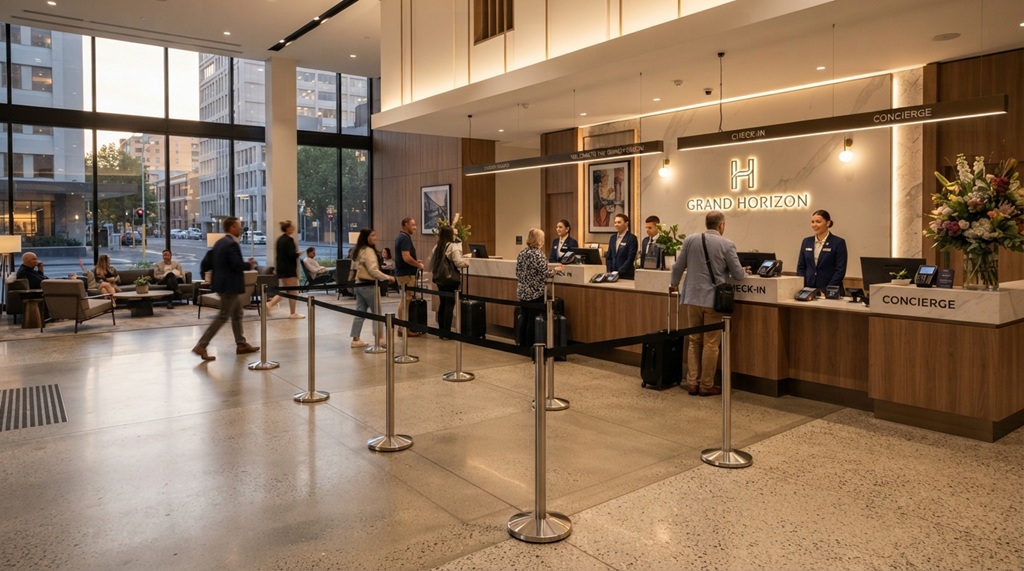
A failing revenue model often stems from misaligned rate strategies—either chasing artificial occupancy through steep discounts that erode profit margins, or overpricing rooms based on stale, historical assumptions. Restructuring your business requires an immediate competitive rate audit against your top five primary market peers to identify real-time yield opportunities and align pricing with current seasonal demand. By fine-tuning your revenue management, you secure the capital needed to refine on-the-ground service touchpoints; for instance, streamlining reception operations directly impacts guest satisfaction scorecards, so learning manage hotel front desk queues for fast check-ins prevents early operational bottlenecks that undermine a premium brand positioning.
Reduce Dependence on High-Commission OTAs
Online travel agencies bring bookings, but their commissions eat into already thin margins. Build direct booking incentives, such as a small discount or free perk for booking through your own website. Even a modest shift toward direct bookings improves your margin without changing your rates.
Segment Your Guests and Target Accordingly
Not every guest books for the same reason. Business travelers, weekend leisure guests, and event attendees respond to different offers. Build small, targeted promotions for each segment instead of one generic discount for everyone.
Step 5: Strengthen Leadership and Team Accountability

A hotel in decline often has a leadership gap, not just a revenue gap. Fixing accountability structures helps every other step succeed.
Set Clear, Measurable Weekly Goals
Vague goals like “improve service” don’t drive change. Set specific weekly targets: occupancy percentage, ADR, review score average, or expense reduction amount. Track them visibly so the whole team sees progress or setbacks in real time.
Hold Short, Regular Check-Ins
Daily or twice-weekly stand-up meetings, kept under 15 minutes, keep everyone aligned during a turnaround. These aren’t status reports. They’re quick problem-solving sessions focused on what’s blocking progress right now.
Consider Outside Expertise If Needed
Sometimes an internal team is too close to the problem to see it clearly. Hotel turnaround consultants bring pattern recognition from other properties and can spot issues faster than an in-house team under pressure. This step isn’t required for every hotel, but it’s worth considering if progress stalls after 60 to 90 days.
Step 6: Reposition Your Brand and Marketing
Once operations stabilize, your marketing needs to reflect the improved hotel, not the one guests remember from before. This is the step many hotels skip, and it slows the full recovery.
Update Photos and Listings Across All Platforms
Old, outdated photos on your booking sites and OTA listings undersell any improvements you’ve made. Refresh photos after any renovation or deep clean, and update your property description to match the current guest experience.
Tell a Clear, Honest Story
Guests notice when a property has turned a corner, especially returning guests. A short update on your website or social channels about improvements made, without overselling, builds credibility faster than silence.
Rebuild Local and Repeat Guest Relationships
Local businesses, event planners, and past guests are often the fastest path back to steady bookings. A direct outreach campaign, even a simple email or phone call, can bring back guests who left during the decline.
Frequently Asked Questions
How long does a hotel turnaround usually take?
Most hotel turnarounds take between six months and two years, depending on the severity of the decline and available resources. Cash flow stabilization can happen within weeks, but full occupancy and reputation recovery usually take longer.
What is the first sign a hotel is failing?
Falling occupancy combined with declining average daily rate is usually the earliest warning sign. Rising cancellations, negative review trends, and slower cash collection often follow shortly after.
Can a small hotel turn around without outside investment?
Yes, many small hotels recover through operational fixes alone, such as cost control, service improvement, and better pricing. Outside investment helps with major renovations, but it isn’t always required for a full turnaround.
Should a struggling hotel cut staff to save money?
Staff cuts should be a last resort, not a first move, since understaffing often worsens the guest experience and accelerates decline. Reducing non-payroll waste and inefficiencies usually delivers more sustainable savings.
How do you know if a turnaround plan is working?
Track weekly occupancy, ADR, and review scores against your baseline numbers from before the turnaround began. Consistent improvement over four to six weeks is a strong sign the plan is working.
Conclusion
Turning around a failing hotel comes down to a clear sequence: diagnose the real problem, stabilize cash flow, fix the guest experience, rebuild revenue, strengthen leadership, and reposition your brand. Skipping steps or rushing the process usually leads to setbacks. Hotels that follow this order, and stay disciplined through the slow parts, give themselves the best chance at a lasting recovery.