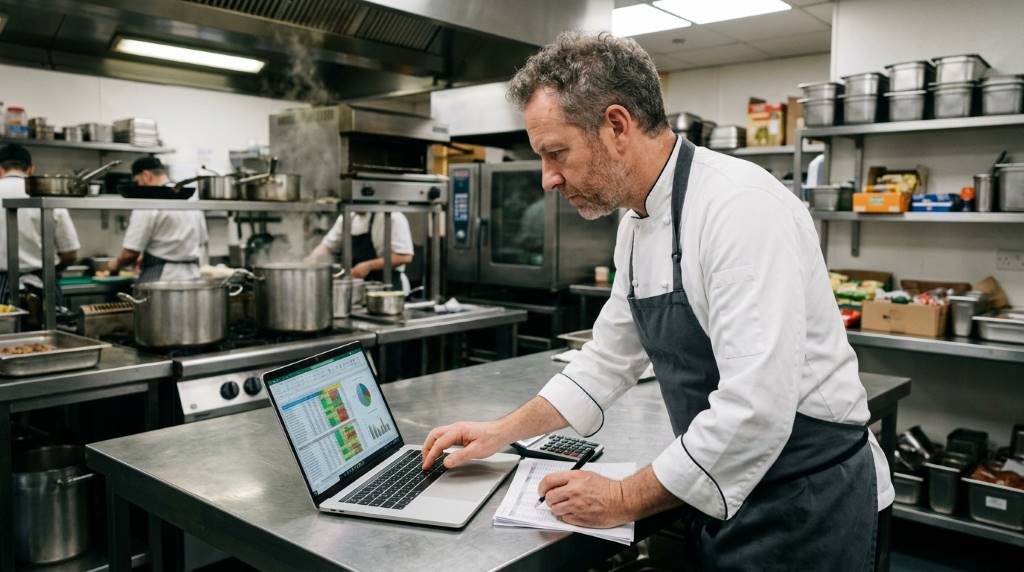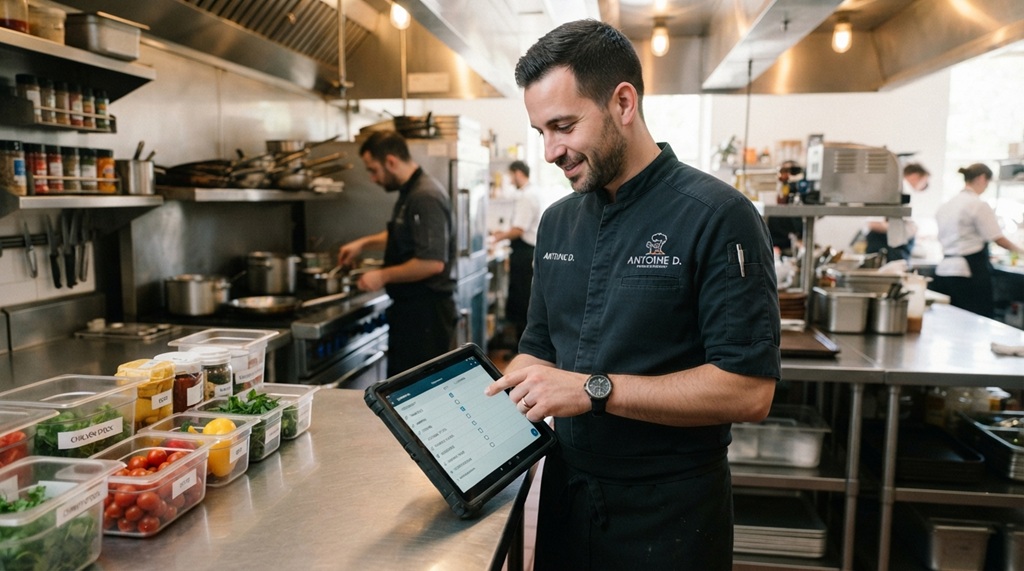
Hotel kitchens waste food every day. You can fix this by tracking waste, training staff, planning smarter menus, and using technology to spot problems early. These steps cut costs and support your sustainability goals at the same time.
Food waste hurts hotels in two ways. It drains your budget, and it damages your reputation with guests who now expect eco-conscious operations. Many hotel kitchens throw away 4% to 10% of the food they purchase before it even reaches a guest’s plate, according to industry experts. That waste adds up fast across a large property.
The good news? Small changes create big results. This guide walks you through practical steps any hotel kitchen can use, whether you run a boutique property or a 500-room resort.
Why Food Waste Is a Growing Problem in Hotel Kitchens
Food waste in hotels comes from three main sources: over-preparation, buffet spoilage, and poor inventory management. Understanding where waste starts helps you target the real problem instead of guessing.
Over-Preparation and Portion Sizes
Kitchens often prepare more food than guests actually order. Chefs build in extra portions “just in case,” and that habit quietly wastes money every shift. Reviewing daily order patterns helps kitchens right-size their prep without running short during peak hours.
Buffet and Banquet Waste
Buffets are convenient for guests but risky for waste. Large trays sit under heat lamps for hours, and food safety rules often require hotels to discard anything left out too long. Smaller, more frequent refills reduce this problem significantly.
Inventory Mismanagement
Poor stock rotation leads to spoiled ingredients. When kitchens don’t track expiration dates closely, perfectly good food ends up in the trash before it’s ever used. A simple first-in, first-out (FIFO) system solves most of this issue.
How to Track and Measure Kitchen Food Waste
You can’t reduce what you don’t measure. Start by logging what your kitchen throws away, why it’s discarded, and how much it costs.
Set Up a Daily Waste Log
Assign a staff member to record waste at the end of each shift. Include the item, the quantity, and the reason (spoilage, over-prep, plate waste, or expiration). This log becomes your baseline for improvement.
Use Waste-Tracking Technology
Smart scales and waste-tracking software now let kitchens weigh and photograph discarded food automatically. These tools generate reports that show exactly which dishes or ingredients cause the most waste. Many properties recover their investment within months through reduced purchasing costs.
Review the Data Weekly
Numbers only help if someone acts on them. Hold a short weekly meeting with kitchen leadership to review waste trends and adjust prep quantities or menu items accordingly.
Smart Menu Planning to Minimize Waste
A well-designed menu prevents waste before it starts. This is one of the most overlooked strategies in hotel food waste reduction, yet it delivers some of the biggest results.
Design Cross-Utilization Recipes
Build menus where ingredients serve multiple dishes. A roasted chicken breast for dinner can become tomorrow’s chicken salad or sandwich filling. This approach reduces the risk of unused stock going bad.
Offer Flexible Portion Options
Let guests choose smaller portions at a lower price point. This single change reduces plate waste dramatically, especially at breakfast buffets where guests often over-serve themselves.
Rotate Menus Based on Seasonal Availability
Seasonal ingredients cost less, last longer in storage, and reduce the need for last-minute substitutions that can spoil unused stock. Local sourcing also shortens the supply chain, which means fresher food with a longer shelf life.
Staff Empowerment: Building a Culture of Waste-Conscious Operations
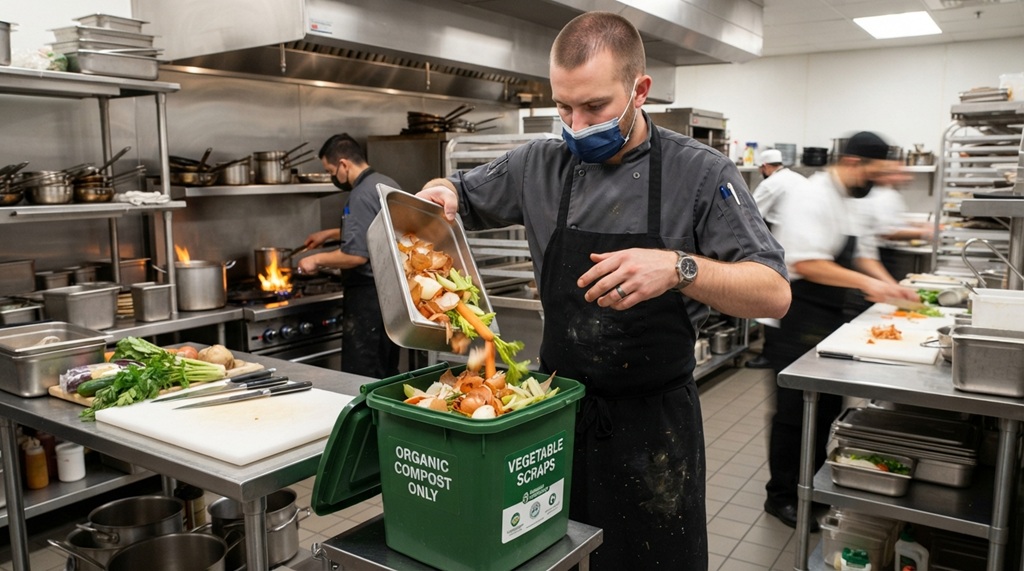
Even the most sophisticated waste management systems inevitably falter without an engaged, well-trained team executing them. Transforming your kitchen’s bottom line requires equipping staff with intuitive portion control standards, precise inventory rotation practices, and a clear understanding of how everyday pre-prep habits drive financial efficiency. Every operational touchpoint impacts profitability, which is why holistic revenue management goes beyond back-of-house conservation leveraging targeted culinary strategies like design a hotel F&B menu that increases sales allows you to effortlessly bridge the gap between waste reduction and guest-driven profitability.
Teach Proper Portion Control
Train cooks to use scales and standardized recipes instead of eyeballing quantities. Consistent portions prevent the over-preparation that leads to unnecessary waste.
Build a Waste-Conscious Culture
Make waste reduction part of your kitchen’s identity, not just a policy on paper. Recognize staff who identify waste-saving opportunities, and share monthly progress with the whole team. This builds engagement rather than resentment toward new rules.
Train Front-of-House Staff Too
Servers and buffet attendants play a role too. Teach them to communicate guest counts accurately to the kitchen so chefs can prepare the right amount of food for each meal period.
Using Technology and AI to Cut Food Waste
Modern hotel kitchens increasingly rely on data-driven tools to predict demand and reduce guesswork. This is where many properties find their biggest wins.
Predictive Demand Forecasting
AI-powered forecasting tools analyze booking data, historical consumption, and even weather patterns to predict how much food a kitchen actually needs. This reduces both overproduction and last-minute shortages.
Inventory Management Software
Digital inventory systems track stock levels in real time and send alerts before items expire. This prevents the common problem of forgotten ingredients spoiling in the back of a walk-in cooler.
Smart Buffet Design
Some hotels now use smaller buffet trays that require more frequent refilling instead of large trays that sit out too long. This “little and often” approach, paired with sensors that monitor food temperature and freshness, keeps food safer and reduces the volume that must be discarded.
What to Do With Unavoidable Food Waste
Not all waste can be eliminated, but you can still reduce its environmental impact. Composting and food donation programs turn unavoidable waste into a positive outcome.
Partner With Local Food Banks
Untouched, safely stored food can often go to local shelters or food rescue organizations instead of the trash. Many regions have “Good Samaritan” laws that protect hotels from liability when they donate food in good faith.
Start a Composting Program
Kitchen scraps like vegetable peels and coffee grounds can be composted instead of sent to a landfill. Some hotels partner with local composting services, while others use the compost for on-site gardens or landscaping.
Convert Scraps Into Stock or Staff Meals
Vegetable trimmings and bones make excellent stock bases. Many kitchens also use imperfect but safe ingredients for staff meals, which reduces waste while cutting the cost of feeding employees.
Frequently Asked Questions
How much food waste do hotel kitchens typically produce?
Hotel kitchens often waste between 4% and 10% of the food they purchase, according to industry experts. Buffet-style properties tend to see higher waste levels because of the volume of food kept on display.
What is the easiest first step to reduce food waste in a hotel kitchen?
Start with a simple daily waste log. Tracking what gets thrown away, and why, gives you the data needed to make informed changes to prep quantities and menu design.
Does reducing food waste actually save hotels money?
Yes. Food costs are one of the largest controllable expenses in hotel operations, and reducing waste directly lowers purchasing costs. Many properties also lower waste disposal fees at the same time.
Can small hotels use the same strategies as large resorts?
Absolutely. Waste tracking, portion control, and staff training work at any scale. Smaller properties may not need expensive software right away, but a manual log and clear staff guidelines still deliver strong results.
How does food waste reduction affect a hotel’s sustainability rating?
Many green certification programs, including LEED and Green Key, include food waste reduction as a scoring category. Lower waste levels can help hotels qualify for these certifications and appeal to eco-conscious travelers.
Conclusion
Reducing food waste in hotel kitchens comes down to four things: tracking what you throw away, planning smarter menus, training your staff, and using technology to predict demand accurately. None of these steps require a massive budget to start.
Begin with a simple waste log this week. Once you see where the waste actually happens, you can target the right fixes and start saving money right away.