Every great hotel experience begins long before the first bite. According to a Cornell Hospitality Report, food and beverage services contribute up to 35% of a hotel’s total revenue. Understanding what are the 7 types of menus for a good hotel helps hospitality professionals design dining experiences that boost guest satisfaction and drive repeat business. Whether you manage a boutique inn or a five-star resort, the right menu strategy is a powerful tool in your arsenal.
Why Menu Type Selection Matters in Hotel Hospitality
A hotel’s menu is far more than a list of dishes. It reflects the brand identity, pricing strategy, and target guest profile. Choosing the right menu type directly affects kitchen efficiency, food cost control, and the overall dining experience. Hotels that align their menu format with their service style consistently earn higher guest ratings. Therefore, understanding each menu type is essential for any food and beverage team.
What Are the 7 Types of Menus for a Good Hotel?
Hotels across the world use different menu formats based on their dining concept, guest demographics, and operational capacity. Below is a detailed breakdown of each type that every hospitality professional should know.
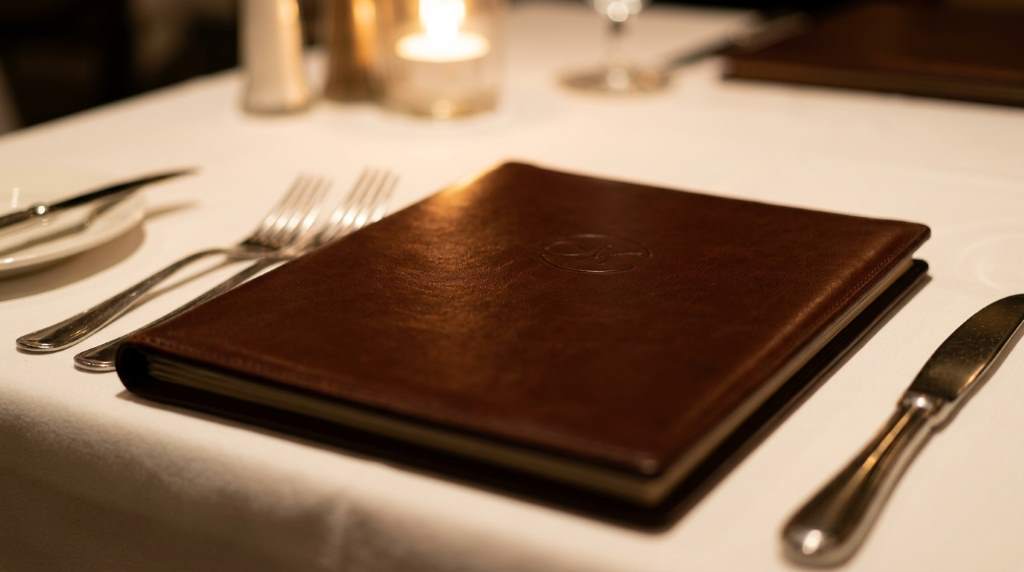
1. A La Carte Menu
The à la carte menu is one of the most widely used formats in upscale hotel dining. Each item on this menu is listed and priced separately, giving guests complete freedom of choice. This format works especially well in fine dining restaurants and hotel steakhouses. Because guests pay only for what they order, they often perceive higher value in their dining experience. Additionally, chefs can focus on crafting each dish with precision and care.
Key benefits:
- Maximum guest flexibility
- Higher per-item revenue potential
- Showcases the chef’s full culinary range
- Works well for leisurely, experience-focused dining
2. Table d’Hôte Menu (Set Menu)
The table d’hôte menu offers a complete meal at a fixed price, usually with limited course choices. It is a staple in hotel banquets, wedding packages, and formal dinner events. This format simplifies kitchen operations and reduces food waste significantly. Guests enjoy a streamlined experience without the overwhelm of too many choices. Hotels often use this menu for business lunches or group bookings where efficiency is a priority.
Key benefits:
- Easier for kitchen prep and cost control
- Ideal for large groups and events
- Helps manage food inventory predictably
- Creates a premium, curated dining feel
3. Buffet Menu
The buffet menu is a crowd favorite in hotel breakfast services, Sunday brunches, and conference dining. Guests serve themselves from a wide spread of hot and cold dishes, making it a highly interactive experience. Hotels benefit from faster service turnover and reduced staffing needs at the table. Furthermore, buffets allow chefs to showcase variety and seasonal ingredients creatively. This format is particularly effective in resort hotels and all-inclusive properties.
Key benefits:
- High guest satisfaction through variety
- Efficient for large volumes of diners
- Flexible with seasonal and themed offerings
- Reduces table service staffing costs
4. Cyclical Menu
A cyclical menu rotates on a set schedule, such as weekly or monthly, repeating after a fixed cycle. This format is commonly used in hotel employee cafeterias, long-stay residences, and extended-stay suite hotels. It reduces menu planning time while still providing guests with variety over time. Additionally, cyclical menus help procurement teams plan purchases more accurately and reduce unnecessary waste. Hotels with in-house healthcare or wellness programs also benefit greatly from this structure.
Key benefits:
- Reduces planning and prep time
- Ideal for long-term guests or staff dining
- Supports consistent nutritional planning
- Streamlines purchasing and inventory
5. Du Jour Menu (Daily Menu)
The du jour menu changes every day based on fresh, seasonal, or locally sourced ingredients. In French, “du jour” simply means “of the day,” and this concept brings excitement and freshness to hotel dining. Chefs love this format because it allows creative freedom and minimizes ingredient waste. Guests who dine frequently at the hotel appreciate seeing new options each visit. Many boutique hotels use du jour menus to highlight farm-to-table partnerships and local culinary culture.
Key benefits:
- Promotes fresh, seasonal cooking
- Reduces food waste through daily planning
- Keeps repeat guests engaged with variety
- Supports local and sustainable sourcing
6. Room Service (In-Room Dining) Menu
The room service menu is a critical component of what are the 7 types of menus for a good hotel, as it directly reflects the hotel’s commitment to guest comfort. This menu must balance comfort food classics with lighter, health-conscious options to serve a diverse range of guests. Items should travel well and arrive at room temperature quality within a reasonable time. Clear descriptions, allergen information, and availability hours are essential on this menu. Leading hotels now offer 24-hour room service menus with QR code ordering to improve convenience.
Key benefits:
- Enhances the in-room guest experience
- Available around the clock for added convenience
- Supports premium pricing for exclusivity
- Builds guest loyalty through comfort-focused service
7. Banquet or Event Menu
The banquet menu is designed specifically for large-scale events such as weddings, corporate dinners, galas, and conferences. It is pre-planned in collaboration with the event organizer and tailored to fit dietary requirements and theme preferences. Hotels typically offer tiered banquet packages ranging from budget-friendly to luxury multi-course spreads. A well-designed banquet menu reflects the hotel’s ability to handle large volumes without sacrificing quality. This type is a major revenue driver for hotel food and beverage departments worldwide.
Key benefits:
- Generates high-volume revenue per event
- Fully customizable to client needs
- Simplifies logistics with advance planning
- Showcases the hotel’s catering expertise
How to Choose the Right Menu Type for Your Hotel
Selecting the right menu type depends on several key factors. First, consider your guest profile: business travelers, leisure guests, families, or long-stay residents all have different dining expectations. Second, evaluate your kitchen capacity, staffing levels, and supply chain reliability. Third, align your menu strategy with your hotel’s brand positioning and price point. Finally, collect regular guest feedback to refine and update your menu formats over time.
Common Mistakes Hotels Make with Menu Planning
Many hotels use the same menu format across all dining outlets, which creates a monotonous experience. Neglecting dietary restrictions such as gluten-free, vegan, or halal options can alienate a significant portion of guests. Overcomplicated menus with too many choices often lead to decision fatigue and slower kitchen output. Similarly, failing to update menus seasonally signals a lack of attention to quality and freshness. A thoughtful menu audit every quarter can help hotels stay competitive and guest-centric.
The Role of Technology in Modern Hotel Menus
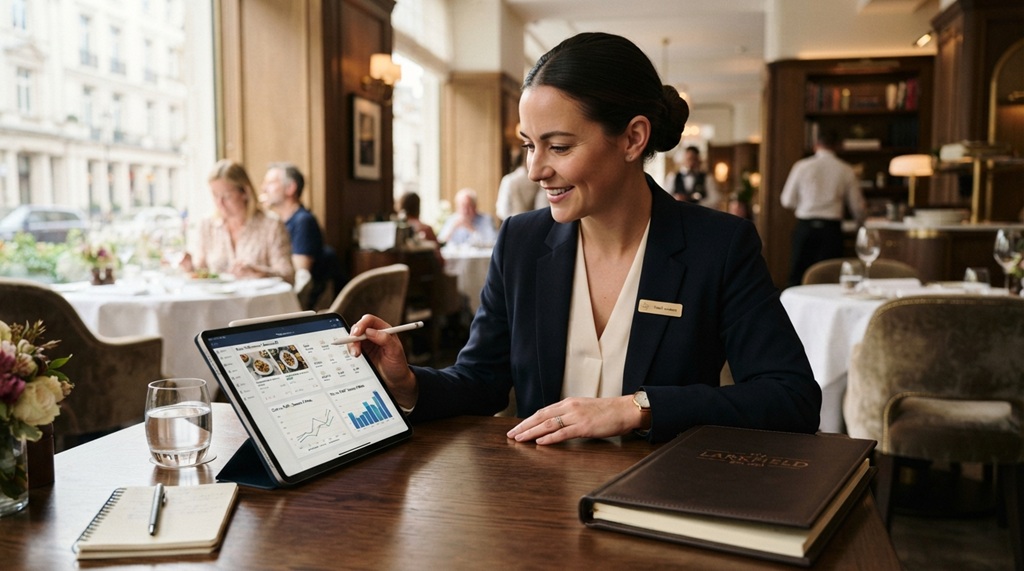
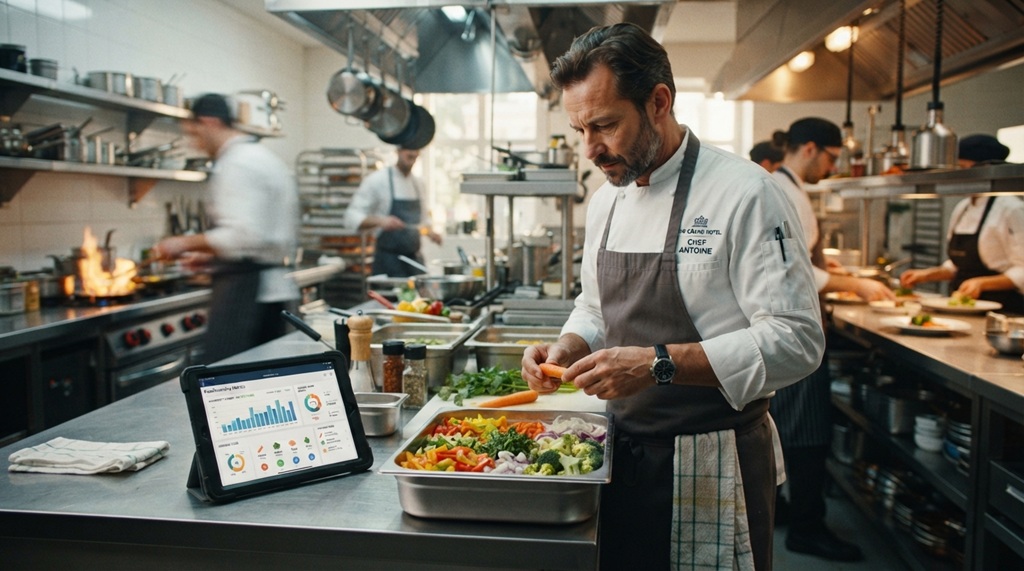
Digital menus and QR code ordering have transformed the way hotels present their food and beverage offerings. Many luxury hotels now use tablet-based menus with high-resolution food photography and real-time availability updates. Integrated POS systems allow kitchen teams to manage orders seamlessly across multiple outlets. Technology also enables hotels to track best-selling dishes, identify waste patterns, and personalize offerings for returning guests. Consequently, investing in digital menu infrastructure is now a strategic priority for forward-thinking hotel operators.
Conclusion
Understanding what are the 7 types of menus for a good hotel is the first step toward building a world-class food and beverage program. Each menu type serves a distinct purpose and caters to a specific dining context, from intimate room service to grand banquet events. Hotels that strategically deploy the right menu formats see measurable improvements in guest satisfaction, revenue, and operational efficiency. Do not let your dining program be an afterthought. Review your current menu strategy today, consult your culinary team, and make intentional choices that reflect your hotel’s unique value.
Frequently Asked Questions (FAQs)
What is the most common menu type used in hotels?
The à la carte menu is the most common type used in hotel restaurants because it gives guests complete freedom to choose and pay for individual items.
What is the difference between a table d’hôte and a buffet menu?
A table d’hôte menu offers a set multi-course meal at a fixed price, while a buffet menu lets guests self-serve from a wide variety of dishes.
Why do hotels use cyclical menus?
Hotels use cyclical menus to reduce planning time, control food costs, and maintain variety for long-stay guests or employee dining programs.
What should a hotel room service menu include?
A hotel room service menu should include comfort classics, healthy options, clear allergen information, pricing, and available ordering hours.
How often should a hotel update its menus?
Hotels should review and update their menus at least every quarter to reflect seasonal ingredients, guest feedback, and evolving culinary trends.