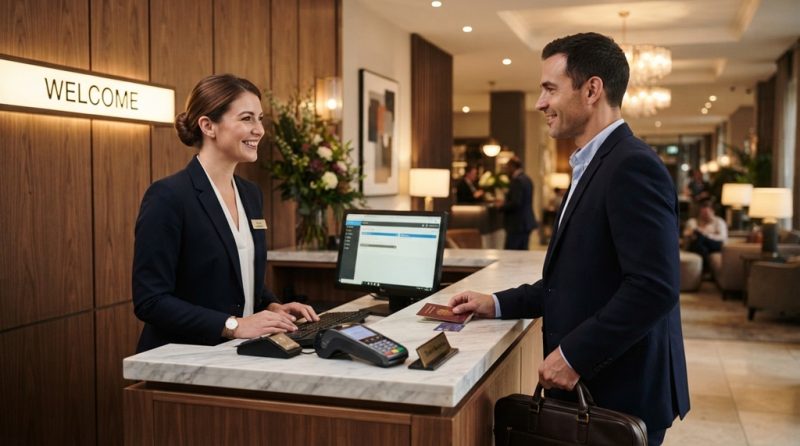
Improving hotel guest retention starts with one goal: make guests want to come back before they even check out. You do this by delivering a consistent experience, staying in touch after their stay, and giving them a real reason to book direct next time. Retention is not a marketing trick. It is the result of everything a guest feels from booking to departure.
Most hotels spend heavily to attract new guests. Fewer hotels invest in keeping the guests they already have. That is a costly gap. Repeat guests usually cost less to convert, book more often, and tend to spend more per stay than first-time visitors.
This article breaks down practical, real-world tactics hotel teams can use to boost retention and grow repeat bookings. Each section stands on its own, so you can jump to what your property needs most.
Why Guest Retention Matters More Than New Guest Acquisition

Retention matters because loyal guests are cheaper to keep than new guests are to find. Winning a first-time guest often means paying commission to an OTA, running ad campaigns, or discounting rates. A returning guest, by contrast, often books direct and skips that cost entirely.
Repeat guests also act as informal brand ambassadors. They leave reviews, recommend your property to friends, and are more forgiving when small issues happen during a stay. That goodwill has real value.
Hotels that track retention as a core metric, not just occupancy or ADR, tend to build stronger long-term revenue. A guest who returns three times a year is often worth more than three different one-time bookings, especially once you factor in acquisition cost.
Deliver a Consistent Guest Experience Across Every Stay
Consistency is what turns a good first stay into a habit. Guests return to hotels where they know what to expect, not just where they had one great night. If your service quality shifts from visit to visit, guests notice, and trust erodes fast.
Balancing Scalable Consistency with Personalized Hospitality
Establishing standardized operating procedures for check-in, housekeeping, and guest services ensures a seamlessly high baseline experience across every touchpoint. However, true luxury lies in empowering your staff to elevate that foundation with intuitive, personal gestures whether by anticipating a returning guest’s preferred room layout or greeting them by name upon arrival. Understanding these baseline expectations is critical, as knowing what is the difference between a hotel and a motel dictates how tailored your guest experience needs to be to turn first-time visitors into lifelong brand advocates.
Keep Physical and Digital Touchpoints Aligned
Guests interact with your hotel through the website, the booking engine, front desk staff, and the room itself. If your website promises a boutique experience but the room feels generic, guests feel misled. Audit these touchpoints regularly to confirm they match your brand promise.
Use Guest Data to Personalize Future Stays
Personalization works because it shows guests you remember them, not just their reservation number. Simple data, like past room type, dietary preferences, or special occasions, can shape a much better return visit.
Most modern property management systems (PMS) already store this data. The problem is that many hotels never use it beyond the initial booking. Set up a process where guest preferences get logged after every stay and pulled up automatically before the next one.
A practical example: if a guest requested extra pillows or a high floor last time, have that ready without them asking again. This kind of small, consistent recognition builds loyalty faster than large one-time gestures.
Build a Loyalty Program That Guests Actually Want to Use
A loyalty program only improves retention if the rewards feel achievable and relevant. Overly complex point systems or rewards that take years to unlock will not motivate most leisure travelers, who may only stay a few nights a year.
Keep the Reward Structure Simple
Design tiers with clear, fast benefits, like a free room upgrade after two stays or a late checkout after the first stay. Guests should see the value quickly, not after ten bookings.
Extend Perks Beyond Free Nights
Free nights are the obvious reward, but they are not the only one. Consider perks like priority booking during high-demand dates, welcome amenities, or flexible cancellation. These cost less than a free room and often matter more to frequent travelers.
Improve Post-Stay Communication Without Being Pushy
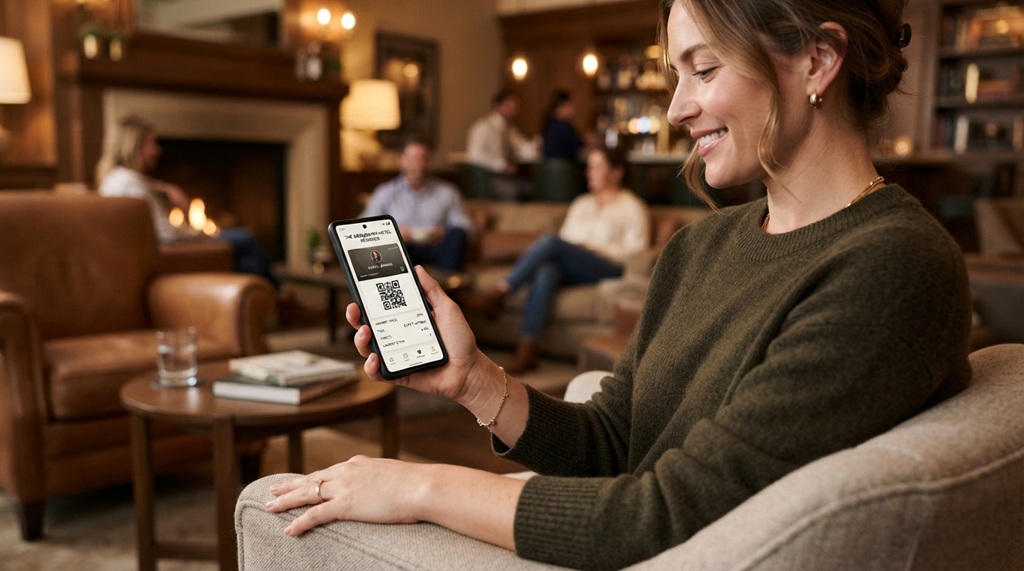
Following up after a stay keeps your hotel top of mind for the guest’s next trip. The key is timing and relevance. A generic “book again” email sent the day after checkout usually gets ignored or feels transactional.
Send a short thank-you message within a day or two, focused on the guest’s actual experience rather than a sales pitch. A follow-up offer, if you send one, works better two to four weeks later, timed closer to when the guest might be planning their next trip.
One angle many hotels overlook: segment your post-stay emails by guest type. A business traveler cares about different things than a family on vacation. Sending the same generic offer to both wastes an opportunity to feel personally relevant.
Encourage Direct Bookings to Strengthen the Guest Relationship
Direct bookings matter for retention because they give you full ownership of the guest relationship, including their contact details, preferences, and communication history. Bookings made through third-party platforms often limit what you can see and how you can follow up.
Offer a Clear Incentive to Book Direct
Give guests a real reason to skip the OTA next time, like a small rate advantage, free breakfast, or early check-in when booking through your own website. Make this benefit visible during the checkout process, not buried in fine print.
Simplify the Direct Booking Experience
If your booking engine is slow, confusing, or not mobile-friendly, guests will default back to familiar platforms like Booking.com or Expedia. Regularly test your own booking flow from a guest’s perspective to catch friction points before they cost you a repeat booking.
Train Staff to Recognize and Reward Returning Guests
Staff recognition often matters more to guests than any loyalty point system. Being remembered by name or having a preference honored without asking feels more personal than a discount code.
Equip your front desk and reservations team with simple tools to flag returning guests before they arrive, such as a note in the PMS or a quick briefing during shift handover. Even a short comment like “Welcome back, Mr. Chen, I see you’re staying in your usual room” can reinforce the guest’s decision to return.
This does not require expensive technology. It requires a workflow where guest history is visible and staff are trained to act on it consistently, not just occasionally.
Frequently Asked Questions
What is considered a good guest retention rate for hotels?
There is no single universal benchmark, since it varies by hotel type, location, and market. Independent and boutique hotels generally aim for a higher share of repeat guests than large transient-market properties, because personalized service is easier to deliver at a smaller scale.
Do loyalty programs actually work for independent hotels?
Yes, but they need to be simple and genuinely valuable, not just a copy of large chain programs. Independent hotels often see better results from a handful of meaningful perks than from a complicated points system guests forget about.
How soon after checkout should a hotel follow up with a guest?
A short thank-you message within one to two days works well, followed by a more relevant offer two to four weeks later. This spacing avoids feeling pushy while keeping the hotel on the guest’s radar for future trips.
Can guest retention improve without a big technology budget?
Yes. Many retention gains come from process and training, like logging preferences and briefing staff on returning guests, not expensive software. A basic PMS combined with consistent staff habits can go a long way before any major tech investment is needed.
Does guest retention only apply to leisure travelers?
No, business travelers are often even more likely to become repeat guests if the stay is smooth and predictable. They value consistency and speed, so a reliable experience and easy direct booking process can turn a single business trip into a recurring account.
Conclusion
Improving hotel guest retention is not about one big initiative. It comes from consistent service, smart use of guest data, a loyalty program that actually feels rewarding, and communication that respects the guest’s time. Hotels that treat retention as an ongoing habit, not a one-time campaign, tend to build a stronger base of repeat bookings and a more predictable revenue stream over time.


