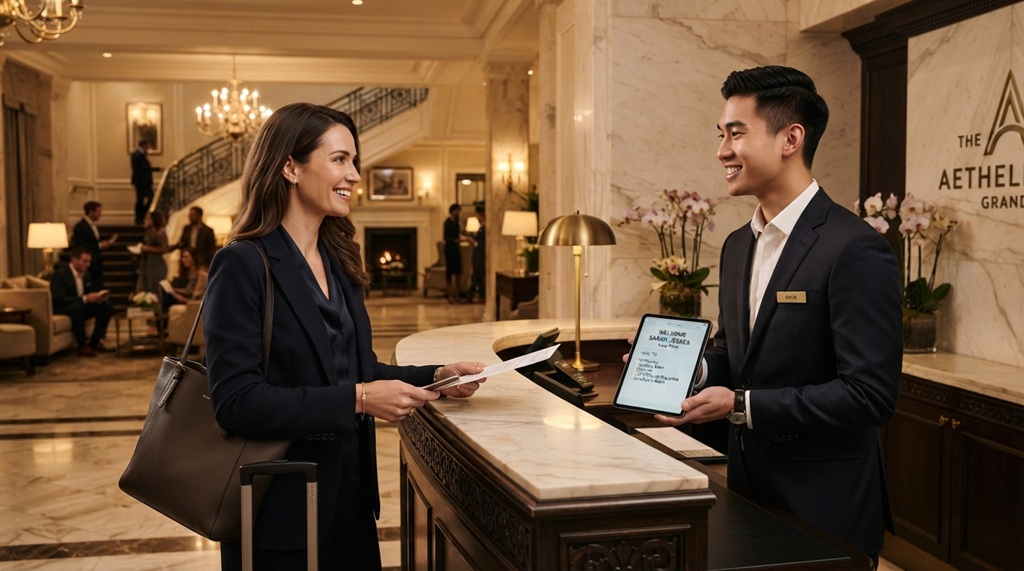
To analyze a luxury hotel case study well, you need a clear framework, not just a quick read-through. Start by identifying the property’s goal, the strategy used, and the measurable outcome. Then compare that outcome to your own hotel’s situation before you copy anything.
Most hotel managers read case studies the wrong way. They skim for inspiration, feel motivated for a day, and forget the details by next week. That approach wastes good research.
This guide breaks down a simple, repeatable method. You will learn what to look for, which questions to ask, and how to turn someone else’s success into your own action plan.
Why Luxury Hotel Case Studies Matter for Hotel Managers
Case studies matter because they show real decisions made under real pressure, not just theory. A well-documented case study reveals what a hotel tried, what failed first, and what finally worked.
This is different from a blog post or a trend report. Trend reports tell you what is popular. Case studies tell you what actually happened when a property tested that trend.
For hotel managers, this distinction saves time. You do not need to guess whether a strategy works. You can see the results, the timeline, and the conditions that made it succeed or fail.
What Makes Luxury Hotels Different to Study
Luxury properties operate under different constraints than budget or midscale hotels. Their guest expectations are higher, their margins for error are smaller, and their brand reputation carries more weight in every decision.
Because of this, a strategy that works for a luxury resort may not transfer directly to a boutique city hotel. Always check the property type before assuming a lesson applies to you.
Identifying the Core Challenge
Every high-yield case study begins with an unmistakable operational challenge whether that means rectifying low off-season occupancy, reversing declining guest retention, restoring brand reputation, or monetizing underutilized amenities like spas and fine dining. Before assessing a hotel’s strategy, define its core objective in a single, clear sentence; if the underlying issue remains ambiguous, the case study lacks the actionable rigor needed for your property. Recognizing this foundational bottleneck allows you to accurately measure the strategic response and determine if the solution aligns with your own luxury brand assets. To see how industry leaders turn these operational insights into long-term guest equity, explore how luxury hotels build loyalty through personalization to uncover the tailored strategies driving sustainable retention.
Ask These Questions First
- What specific metric was underperforming?
- Was this a short-term issue or a long-term pattern?
- Did external factors, like a new competitor or economic shift, cause the problem?
Skipping this step is the most common mistake. Many managers jump straight to the solution and miss the context that made the solution necessary.
Study the Strategy, Not Just the Result
A case study’s headline result is only half the story. The strategy behind it matters more, because that is the part you can actually replicate.
Look closely at what the hotel changed. Did they redesign the guest journey? Adjust pricing? Retrain staff? Launch a new loyalty program? Write down each specific action, not just the general idea.
Separate Tactics from Strategy
Tactics are individual actions, like sending a personalized welcome email. Strategy is the bigger plan behind those actions, like building a more personal guest relationship from booking to checkout.
Many articles blur this line. They present a single tactic as if it were the whole strategy. When you analyze a case study, pull these apart. A tactic without the surrounding strategy rarely works the same way twice.
Check the Timeline and Resources Used
Results without a timeline are misleading. A hotel that raised its average daily rate by 20% over three years took a very different path than one that did it in three months.
Look for how long the strategy took to show results. Also check what resources the hotel used: staff hours, budget, technology, or outside consultants. This tells you whether the strategy is realistic for your own property size and budget.
Why Resource Context Changes Everything
A large luxury chain with a dedicated revenue management team can test pricing strategies faster than an independent boutique hotel with one general manager handling multiple roles. If a case study does not mention resources, treat the results with some caution.
This is a genuinely useful check that most articles skip. Before you try to copy a strategy, ask yourself honestly whether you have similar resources. If not, plan for a longer timeline or a smaller version of the strategy.
Verify the Data and Avoid Cherry-Picked Numbers
Not every case study presents complete data. Some highlight a single impressive number while leaving out the full picture. Learning to spot this protects you from adopting a flawed lesson.
Ask whether the case study shows before-and-after numbers, or just an after number. Ask whether it covers a full season or just a strong month. According to industry experts, seasonal luxury hotels often see short-term spikes that do not reflect year-round performance.
Red Flags to Watch For
- Only one metric is shown, with no context for occupancy, ADR, or RevPAR together
- No mention of the time period covered
- No comparison to a previous baseline
- Results credited entirely to one change, with no mention of other factors
If a case study has several of these red flags, treat its conclusions as a starting point for your own testing, not a guaranteed formula.
Match the Case Study to Your Own Hotel’s Context
A strategy that worked for a five-star resort in Bali may not translate to a business hotel in a mid-sized city. Before applying any lesson, compare the property type, location, guest profile, and price point to your own.
This step prevents wasted effort. Many managers try to apply luxury-resort tactics to properties with a completely different guest base, then wonder why results do not match.
Questions to Ask Before Applying a Lesson
- Does my hotel serve a similar guest type, such as leisure travelers versus business travelers?
- Is my price point close enough that guest expectations align?
- Do I have a similar level of staffing and budget?
- Is my local market facing similar competition or demand patterns?
If the answers differ significantly, adapt the strategy rather than copying it directly. Scale it down, adjust the timeline, or test a smaller version first.
Turn the Case Study Into an Action Plan
Reading a case study without creating an action plan is the biggest waste of the exercise. Once you understand the problem, strategy, timeline, and context, write down three specific actions you can test at your own property.
Keep the plan small at first. Choose one element of the strategy, set a realistic timeline based on your resources, and define a clear metric to track.
A Simple Template to Use
- Problem we are solving: (state it in one sentence)
- Strategy element we are testing: (pick one, not the whole case study)
- Timeline: (be realistic, not optimistic)
- Metric to track: (occupancy, ADR, guest satisfaction score, etc.)
- Resources needed: (staff time, budget, tools)
This turns a passive reading exercise into a working document your team can actually use.
Frequently Asked Questions
What should I look for first when reading a luxury hotel case study?
Start by identifying the exact problem the hotel was trying to solve. Without this, you cannot judge whether the solution applies to your situation. Write the problem down in one clear sentence before reading further.
How do I know if a case study’s results are reliable?
Check whether the study shows a full timeline, complete data, and a clear baseline for comparison. If it only shows one impressive number without context, treat the results with caution rather than as guaranteed proof.
Can strategies from five-star resorts work for smaller boutique hotels?
Sometimes, but usually with adjustments. Compare your guest profile, budget, and staffing to the case study’s property before copying anything directly. Scale the strategy down or test a smaller version first.
How often should hotel managers study case studies?
There is no fixed rule, but reviewing one or two case studies per month keeps you updated without becoming overwhelming. Focus on properties similar to yours in size, location, or guest type for the most useful lessons.
What is the biggest mistake managers make when analyzing case studies?
The biggest mistake is reading for inspiration only and skipping the action plan step. A case study only becomes useful once you translate it into a specific, testable action for your own property.
Conclusion
Analyzing luxury hotel case studies well takes more than a quick read. It requires identifying the real problem, studying the strategy behind the results, checking the timeline and resources, and verifying the data before you trust it. Most importantly, always match the lesson to your own hotel’s context before applying it.
Follow these steps consistently, and case studies stop being passive reading material. They become a practical tool you can use to improve your own property’s performance, one tested action at a time.