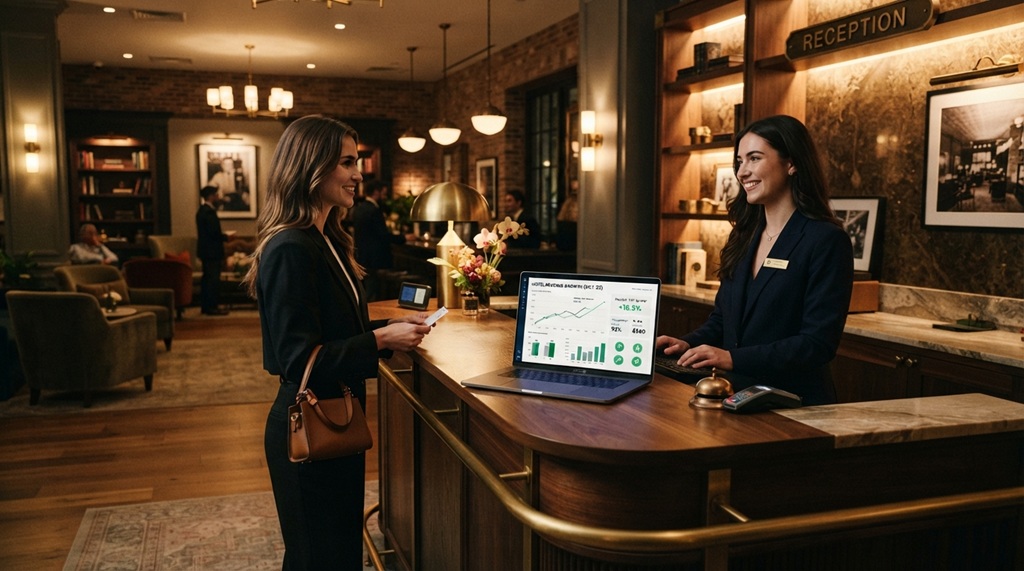
You can cut hotel operating costs without lowering guest experience. The trick is to target waste, not value. Waste hides in energy use, staffing patterns, vendor contracts, and outdated processes. Guest experience lives in service, comfort, and consistency. When you separate the two, you can cut one without touching the other.
Most hotels overspend in places guests never see. A boiler running all night in an empty wing. A linen order sized for last year’s occupancy. A vendor contract nobody has renegotiated in three years. These are the areas to fix first.
This guide walks through seven practical areas where hotels can cut costs. Each section gives you a clear action you can start this month.
Audit Your Energy Use Before You Cut Anything Else
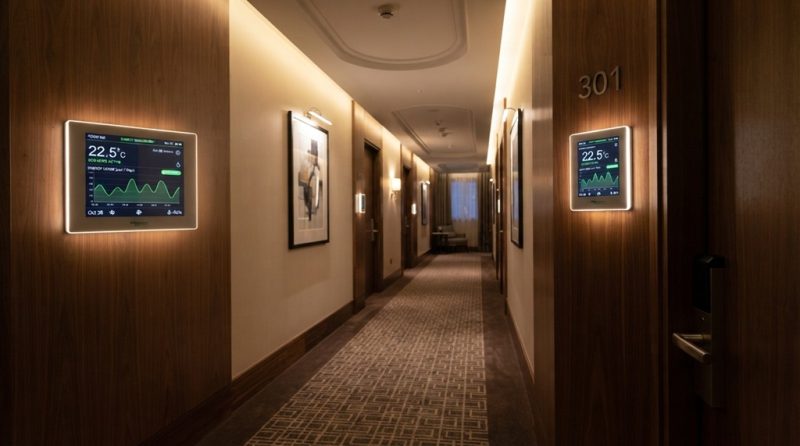
Energy is usually the fastest place to find savings. Most hotels spend a large share of their operating budget on electricity, heating, and cooling. A lot of that spend is wasted on empty rooms and unused spaces.
Start with a simple energy audit. Walk the property and note where energy runs even when no one uses it.
Common energy leaks in hotels
- HVAC systems running in unoccupied rooms
- Lighting left on in back-of-house areas overnight
- Pool heaters set higher than needed in off-peak months
- Old appliances in kitchens and laundry rooms
Low-cost fixes that work fast
- Install occupancy sensors in guest rooms and hallways
- Set smart thermostats to adjust when a room is empty
- Switch to LED lighting in high-use areas
- Schedule HVAC maintenance so systems run efficiently
None of these changes affect what the guest feels in their room. The room still gets cool or warm on demand. You just stop paying for empty rooms to sit at full climate control.
Rethink Staffing Without Reducing Service Quality
Labor is often the single largest cost on a hotel’s books. Cutting staff carelessly hurts service fast. But smarter scheduling can lower labor costs without guests noticing any change.
Match staffing to real demand
Most hotels staff the same way every day, regardless of occupancy. This creates overstaffing on slow days and understaffing on busy ones. Use booking data to predict demand and schedule staff accordingly.
Cross-train your team
A front desk agent who can also help with light housekeeping tasks during slow shifts adds flexibility. Cross-trained staff let you run leaner teams without leaving gaps in service.
Optimizing Labor Costs Through Precision Staffing
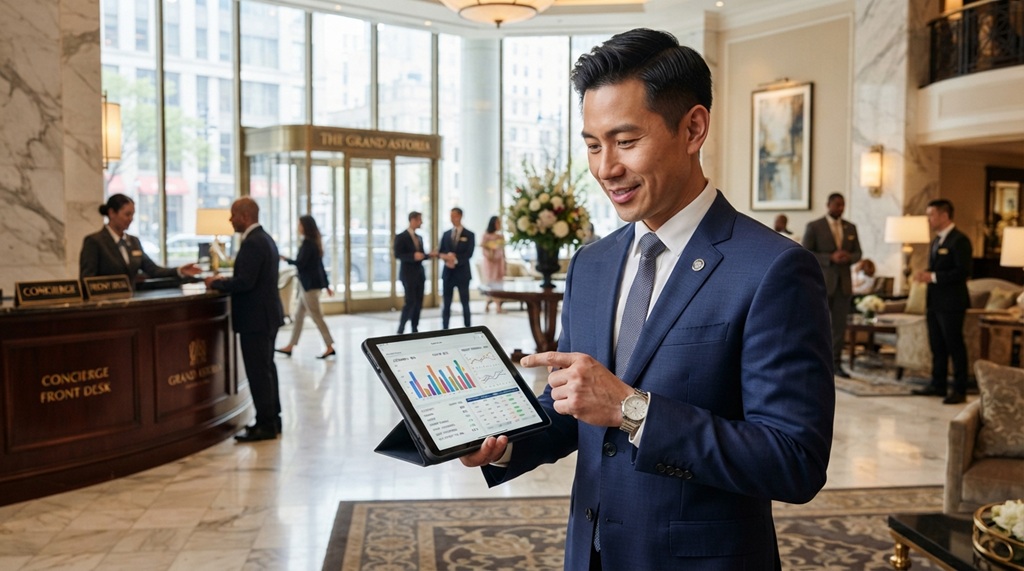
Unplanned overtime rapidly inflates payroll expenses without delivering a proportional increase in guest satisfaction. By leveraging advanced demand-forecasting software, management can accurately predict occupancy peaks and align labor schedules proactively, eliminating the costly reliance on emergency overtime rates while maintaining seamless service delivery. However, as backend operational efficiencies are refined, maintaining an uncompromised standard of hospitality remains paramount; systematically monitoring guest feedback and knowing to handle negative hotel reviews and win back trust ensures that strategic cost-containment measures never erode the core guest experience.
Renegotiate Vendor and Supplier Contracts
Many hotels keep the same suppliers for years without checking if pricing is still competitive. Vendor contracts deserve a review at least once a year.
Areas worth reviewing
- Linen and laundry services
- Food and beverage suppliers
- Cleaning supply vendors
- Maintenance and repair contractors
Ask your current vendors for updated pricing. Then get quotes from two or three competitors. Even if you stay with your current vendor, you gain leverage for a better rate.
Consider group purchasing
If your hotel is part of a larger brand or management group, ask about group purchasing programs. These programs combine buying power across properties and often unlock lower prices than any single hotel could negotiate alone.
Reduce Waste in Food and Beverage Operations
Food and beverage departments often carry hidden waste. Over-ordering, spoilage, and inconsistent portion sizes all quietly drain the budget.
Track waste, don’t guess at it
Many kitchens throw away food without ever measuring how much. Start a simple waste log. Record what gets thrown out and why. This alone often reveals patterns, such as one dish that consistently gets sent back or over-prepared.
Standardize portions and recipes
Inconsistent portion sizes lead to inconsistent food costs. Standardized recipes with exact measurements help kitchen staff serve the same quality every time, while keeping food costs predictable.
Order based on actual occupancy forecasts
Ordering the same volume of food regardless of occupancy leads to spoilage during slow periods. Align food orders with your booking forecast instead of a fixed weekly order.
Use Technology to Cut Manual Work
Manual processes cost time, and time costs money. Many hotels still handle tasks by hand that software can do faster and more accurately.
Property management systems (PMS)
A modern PMS automates check-in, check-out, billing, and housekeeping status updates. This reduces front desk labor hours and cuts down on human error in billing.
Automated maintenance tracking
Instead of relying on staff to remember maintenance schedules, automated tracking systems send reminders before equipment fails. Catching a problem early is almost always cheaper than an emergency repair.
Energy management software
Some hotels use software that automatically adjusts HVAC and lighting based on occupancy data. This builds on the manual energy audit from earlier in this guide, but runs the adjustments automatically instead of relying on staff to remember.
Improve Preventive Maintenance to Avoid Costly Repairs
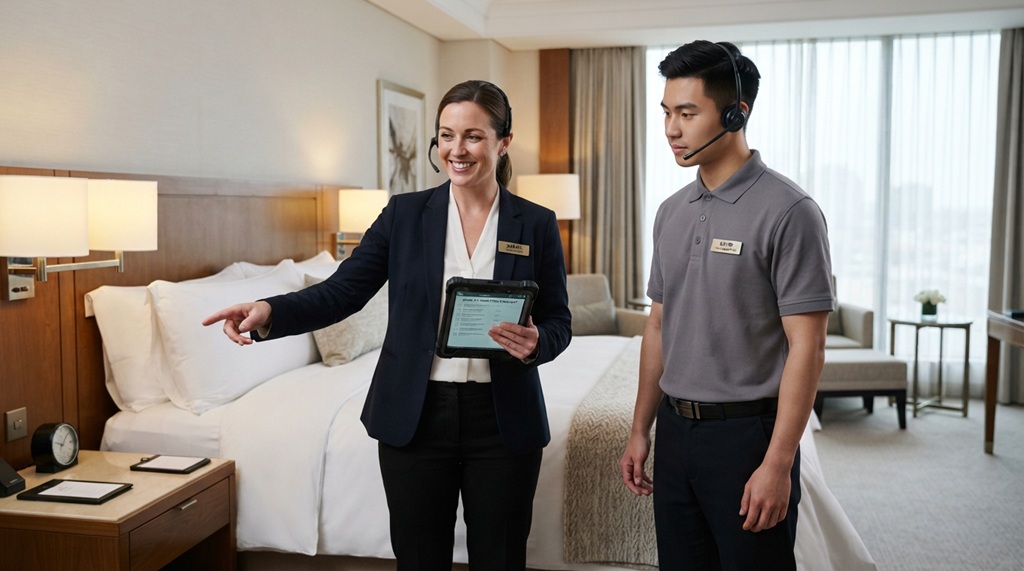
Reactive maintenance, fixing things only after they break, almost always costs more than preventive care. A boiler that fails in winter costs far more to replace in an emergency than to service on a schedule.
Build a maintenance calendar
Create a schedule for every major system: HVAC, plumbing, elevators, kitchen equipment, and laundry machines. Regular servicing catches small issues before they become expensive failures.
Train staff to spot early warning signs
Housekeeping and maintenance staff notice problems first, such as a leaking faucet or a flickering light. Train them to report issues immediately instead of waiting for a guest complaint.
Preventive maintenance also protects guest experience directly. A broken air conditioner in an occupied room is a service failure, not just a cost. Preventing it protects both your budget and your reviews.
Rethink Your Marketing Spend for Better Returns
Marketing budgets often grow without a clear review of what actually drives bookings. Some channels bring in guests reliably. Others quietly burn cash.
Track cost per booking by channel
Instead of measuring marketing by total spend, measure it by cost per booking for each channel. This shows you which channels earn their budget and which ones don’t.
Strengthen direct booking incentives
Every booking made through an online travel agency comes with a commission fee, often 15% or more, according to industry experts. Building direct booking incentives, such as a small discount or a free amenity, can shift bookings away from high-commission channels over time.
Reinvest saved commission into guest experience
Money saved from lower commission fees can fund small guest-experience upgrades, like better in-room amenities. This turns a cost-saving move into something guests actually notice and appreciate.
Frequently Asked Questions
What is the fastest way to reduce hotel operational costs?
An energy audit usually delivers the fastest results. Occupancy sensors, smart thermostats, and LED lighting can be installed within weeks and start saving money immediately. These changes also require no guest-facing disruption.
Will cutting costs hurt my hotel’s guest reviews?
Not if you target the right areas. Cuts to guest-facing service, comfort, or amenities tend to hurt reviews. Cuts to waste, like unused energy or over-ordered food, do not affect what guests experience.
How often should hotels review vendor contracts?
Most hotel management experts recommend reviewing vendor contracts at least once a year. Pricing, market conditions, and competitor offers change often enough that an annual review usually uncovers savings.
Should small, independent hotels use the same cost-cutting strategies as large chains?
Yes, though the scale differs. Independent hotels may not have access to group purchasing programs, but energy audits, staffing forecasts, and preventive maintenance apply to properties of any size.
Can technology alone reduce hotel operating costs?
Technology helps, but it works best alongside process changes. A property management system saves labor hours only if staff are trained to use it well. Software supports smart decisions; it does not replace them.
Conclusion
Reducing hotel operational costs does not require cutting what guests care about. The biggest savings usually come from waste: energy running in empty rooms, staffing that doesn’t match demand, vendor contracts nobody has renegotiated, and food ordered without a forecast.
Start with one area from this guide. Run an energy audit, review a vendor contract, or build a maintenance calendar. Small, targeted changes add up. Over time, they protect your margins and your guest experience at the same time.