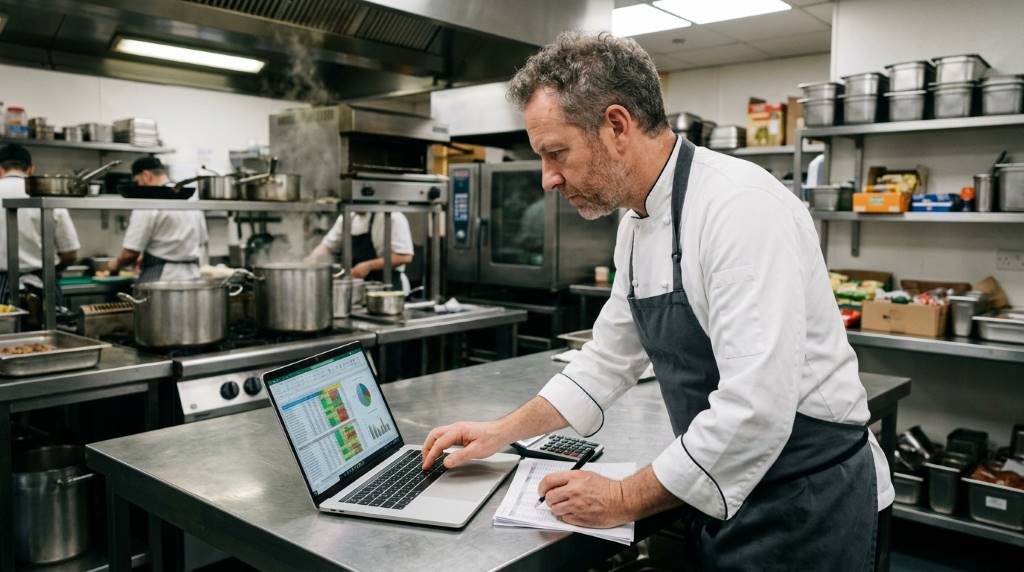
Hotel kitchens throw away thousands of dollars in food every month. Most of it is preventable. The fastest way to cut hotel kitchen food waste: measure what you’re throwing out, fix over-ordering and over-production, and build buffets and banquets around real guest demand instead of guesswork.
Food waste isn’t just an environmental talking point anymore. It’s a line item that hits your bottom line directly. Industry experts often point to food and beverage costs as one of the few expense categories a hotel can actually control, and waste is usually the biggest hidden leak in that budget.
This guide covers specific steps your kitchen team can take this month. Not vague sustainability advice changes you can put on a prep list tomorrow.
Why Hotel Kitchens Waste So Much Food
Hotel kitchens waste more food than standalone restaurants because they run on unpredictable volume, not steady demand. A hotel rarely knows exactly how many guests will show up for breakfast, how many room service orders will come in, or how many banquet guests will actually eat the plated meal instead of skipping it.
Forecasting Often Relies on Habit, Not Data
Many kitchens still order and prep based on “what we always do” rather than actual occupancy numbers. If a property runs at 60% occupancy but the kitchen preps breakfast for 90%, that gap becomes waste every single day.
Buffets Prioritize Abundance Over Efficiency
Buffets exist to impress guests with variety and volume. That goal directly conflicts with waste reduction. Staff often refill chafing dishes on a timer, not based on how much food is left, so kitchens toss food that’s still fresh just to make room for more.
Banquets Add Unpredictability by Contract
Event contracts usually lock in a guaranteed minimum number weeks in advance. Actual attendance often comes in lower than that guarantee. Kitchens still prep for the guaranteed number, so banquet waste often gets built into the contract itself.
How to Measure and Track Kitchen Food Waste
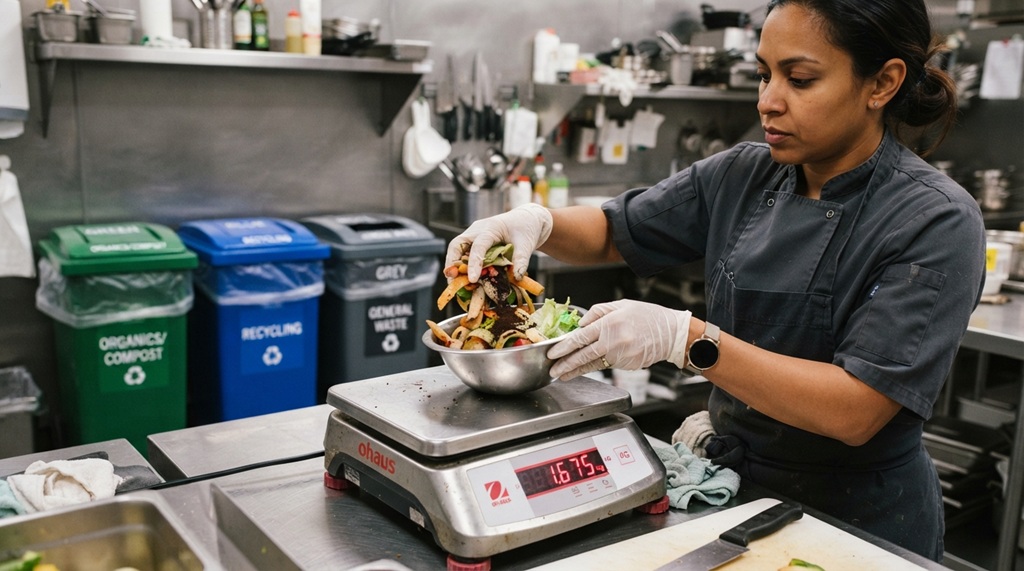
You can’t fix what you don’t measure. So the first real step is building a simple, consistent waste log before you change anything else. You don’t need expensive software a clipboard and a scale will get you real data within two weeks.
Set Up a Daily Waste Log by Station
Have each station prep, line, buffet, banquet log what it throws out, roughly how much it weighs, and why: over-production, spoilage, or plate waste. Even a basic spreadsheet filled in by shift leads reveals patterns within a week or two, like a dish your kitchen consistently over-preps.
Separate Waste Into Three Categories
Track waste as spoilage (food that went bad before use), over-production (you made too much), and plate waste (guests didn’t finish it). Each category points to a different fix. Spoilage points to ordering problems. Over-production points to prep planning. Plate waste points to portion sizes or menu design.
Use the Data to Set a Baseline, Then a Target
Once you have two to four weeks of data, calculate your average weekly waste cost. Set a realistic target, like a 15-20% reduction over the next quarter. Revisit the numbers monthly so your team can see progress. This also keeps staff engaged instead of treating waste reduction as a one-time initiative.
Precision Inventory & Smarter Procurement Strategies
Reducing over-ordering delivers some of the highest-margin wins for a hotel culinary operation by eliminating surplus before ingredients ever cross the loading dock. Rather than relying on rigid weekly purchasing templates, executive chefs and food and beverage directors must dynamically align procurement with real-time occupancy metrics, seasonal cover forecasts, and historical banquet data. Managing high-volume dining environments presents distinct operational challenges, where even minor forecasting errors compound into massive financial leaks. For instance, high-traffic commercial venues such as those analyzed in our excalibur hotel Las Vegas food court review demonstrate that tight inventory turn rates and standardized portion control are non-negotiable levers for preserving gross profit margins while drastically curbing daily organic waste.
Link Purchasing to the Occupancy Forecast
Share your 7-14 day occupancy and event forecast with the purchasing team so order quantities flex with real demand, not a fixed par level. Properties that do this consistently run fewer emergency “use it up” specials and waste less spoiled stock at month-end inventory.
Apply First-In, First-Out (FIFO) Strictly
Label every delivery with the date received. Always pull the oldest stock first, especially for perishables like dairy, produce, and proteins. This sounds basic, but inconsistent FIFO is one of the most common reasons walk-in coolers accumulate spoiled product that no one catches in time.
Ask Suppliers for Smaller, More Frequent Deliveries
Ask your suppliers about smaller, more frequent delivery schedules instead of bulk weekly drops, especially for fresh produce and dairy. This adds a bit of delivery frequency but cuts the amount of product sitting in storage long enough to spoil.
Reducing Waste in Buffet and Banquet Service
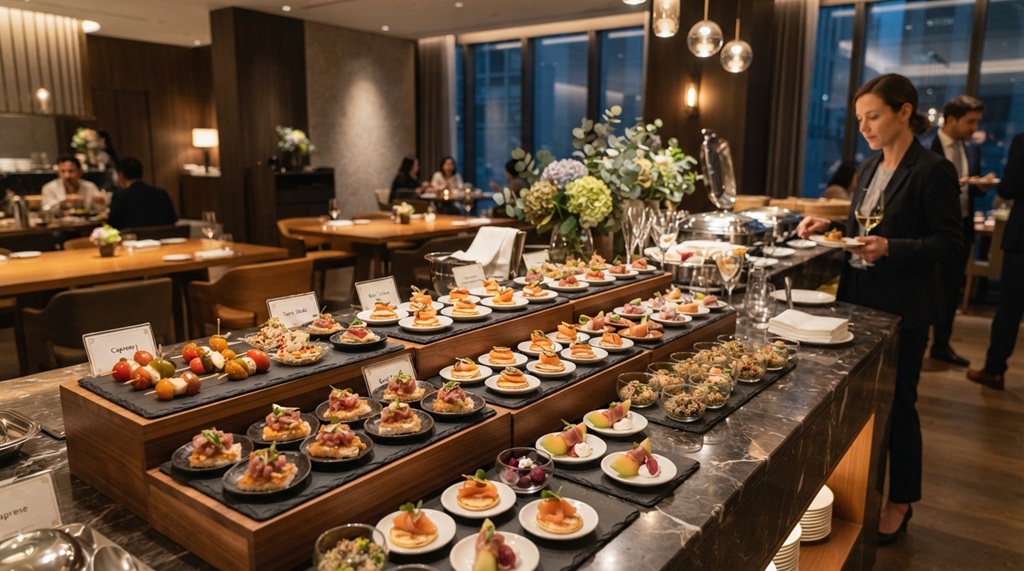
Buffets and banquets usually cause the most food waste in a hotel, so redesigning these services delivers the biggest impact. The goal isn’t to make buffets look sparse — it’s to refill based on actual consumption instead of a fixed schedule.
Refill Based on Consumption, Not the Clock
Train staff to refill chafing dishes when a pan runs genuinely low, not automatically every 20-30 minutes regardless of how full it is. This one change alone can meaningfully cut buffet waste, since kitchens currently toss fresh food to make room for more fresh food.
Use Smaller Serving Dishes That You Refill More Often
Smaller pans that need frequent refills look just as abundant to guests as large pans. But they let your kitchen match production to real-time demand more closely. This simple equipment change often pays for itself within weeks.
Renegotiate Banquet Guarantees Where You Can
Work with your sales and events team to build a small buffer into contracts — for example, prep to the guarantee number plus a modest percentage, rather than a large standard overage. Some properties also offer a small per-plate credit for events that come in under guarantee. This shifts some of the risk back onto accurate headcounts instead of leaving the kitchen to absorb it every time.
Turning Waste Prevention Into a Team-Wide Habit
Waste reduction only works long-term if it becomes part of daily kitchen operations, not a one-time push from a single manager. Staff buy-in matters more than any single tool or system.
Make Waste Numbers Visible to the Whole Team
Post weekly waste numbers where kitchen staff can see them, the same way many kitchens already post food cost percentages. Visibility builds accountability without singling anyone out. Cooks often start self-correcting once they can see the pattern for themselves.
Give Line Cooks Ownership Over Their Own Numbers
Assign each station’s waste tracking to the cooks working that station, not just management. The people closest to the prep line usually spot the real cause faster than any report can. A cook who tracks their own protein trim, for example, often finds a better cutting technique on their own once they see the weekly number.
Repurpose Trim and Overproduction Where Food Safety Allows
Turn vegetable trim, bread ends, and safely-stored overproduction into stocks, staff meals, or daily specials instead of the trash. This is a genuinely underused tactic. Many hotel kitchens already have the skill and equipment to do this they just haven’t built it into a standing process, so it costs almost nothing to start.
FAQ
How much money can a hotel actually save by reducing food waste?
Savings vary by property size and current waste levels. But industry experts often point to food cost reductions of 10-20% as realistic for properties that haven’t tracked waste before. The exact number depends heavily on how much waste happens in buffet and banquet service, since these areas usually offer the biggest quick wins.
Do we need special software to track kitchen food waste?
No. A basic spreadsheet or paper log by station is enough to start, and it reveals useful patterns within two to four weeks. Dedicated waste-tracking software can help later once a hotel wants more detailed reporting, but you don’t need it to begin making progress.
How do we reduce banquet waste when clients demand a guarantee number?
Build a small buffer above the guarantee instead of a large standard overage, and consider offering a per-plate credit for under-guarantee events. This shifts some financial risk away from the kitchen while still protecting the client experience.
Will smaller buffet portions make guests think we’re cutting corners?
Not if you do it right. Smaller serving dishes that get refilled often look just as full and fresh to guests as large pans, since guests only see what’s on display right now. The key is refilling based on actual consumption, not a set schedule, so the buffet always looks freshly stocked.
Who should be responsible for tracking waste in a hotel kitchen?
Line cooks should track waste at their own stations. The executive chef or kitchen manager should review the combined numbers weekly. This spreads the workload and tends to produce more accurate, actionable data than one person trying to track everything alone.
Conclusion
Cutting hotel kitchen food waste comes down to three things: measure what you actually throw away, order and prep based on real demand instead of habit, and rebuild buffet and banquet service around consumption rather than appearance. None of these changes need a large budget or new technology. They need consistent tracking and a kitchen team that’s engaged in the numbers. Start with a two-week waste log, find the single biggest source of waste it reveals, and fix that one thing first. The profit impact compounds quickly once waste reduction becomes a habit instead of a one-time project.