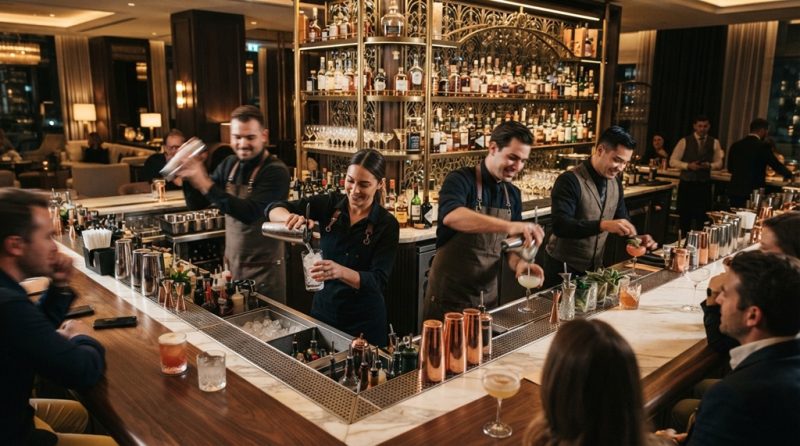
The fastest way to train hotel bar staff for faster service is to fix three things at once: workflow layout, drink-making repetition, and order-taking speed. Most hotels focus only on bartender skill and ignore the other two, which is why training often improves drink quality but not actual speed at the bar.
Guests at a hotel bar are usually different from guests at a standalone bar. Business travelers want a drink before a meeting call. Wedding guests want four rounds ordered in one go. Room-service crossover guests want to charge it and leave. Speed training has to account for this mixed, often impatient crowd, not just teach recipes.
This guide breaks down a practical training approach hotel bar managers and F&B directors can actually use covering workflow design, drill-based training, technology, staffing structure, and the service-quality tradeoffs nobody talks about.
Why Hotel Bars Need a Different Speed-Training Approach Than Standalone Bars
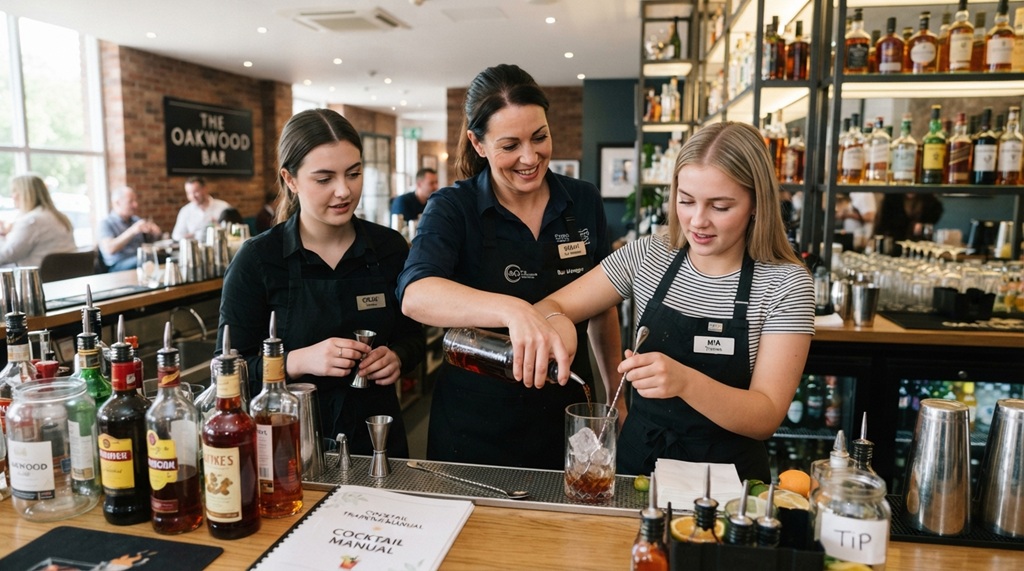
Hotel bars serve a wider mix of guest types under one roof, which is why generic bartending speed tips often fall short. A guest waiting for a nightcap has very different patience levels than one waiting during a conference happy hour, and staff need to read that difference fast.
Standalone bars usually have a predictable crowd regulars, a set peak hour, a known drink menu people expect. Hotel bars deal with in-house guests, walk-ins, event overflow, and loyalty members who expect faster recognition and service. Training has to prepare staff for this variability, not just for making drinks quickly in isolation.
A hotel bar also connects to other departments room charges, concierge referrals, banquet spillover so speed training should include how staff hand off or escalate requests that touch these other teams, instead of treating the bar as a standalone unit.
Redesign the Bar Workflow Before You Train Anyone
Training staff to move faster in a badly laid-out workspace just makes them tired faster, not quicker. Workflow fixes should come before skill drills, because no amount of practice fixes a bar where the ice bin is on the wrong side of the well.
Map the Physical Movement Path
Walk through a typical drink order as if you were the bartender, and count the steps between the well, the garnish station, the glassware, and the POS terminal. Industry hospitality consultants commonly note that shaving even a few unnecessary steps per drink adds up significantly across a busy shift.
Optimizing Bar Prep & Service Operations
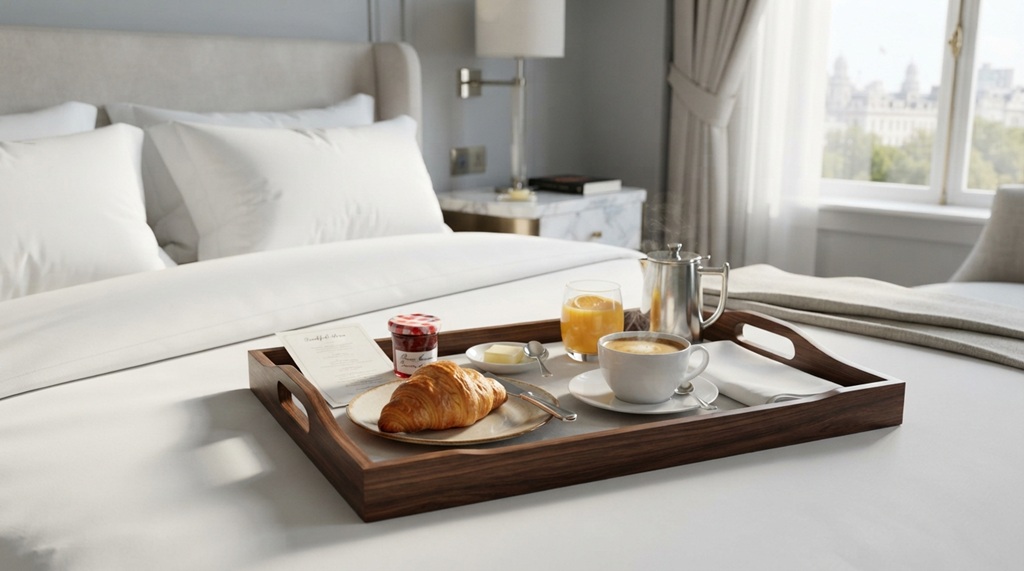
Standardizing the mise en place before the first guest arrives is the single highest-leverage strategy for accelerating beverage execution; when pre-cut garnishes, pre-chilled glassware, and unsealed backup bottles are systematically organized prior to shift start, bartenders eliminate critical friction points during peak service hours, drastically reducing ticket times without sacrificing drink quality. However, rapid execution at the bar is only one component of a modern hotel’s broader hospitality ecosystem. Elevating the guest journey requires seamless food and beverage coordination across every touchpoint upgrade hotel room service and delight guests ensures that same level of speed and precision extends directly to private in-room dining experiences.
Separate High-Speed and Craft Orders
If your bar serves both quick well drinks and slower craft cocktails, consider training staff to triage batch the simple orders while a specialty drink is being built, rather than working strictly first-in-first-out. This single habit is often overlooked in bartending training programs that focus purely on technique.
Core Speed-Training Drills for Hotel Bar Staff
Speed comes from muscle memory, and muscle memory comes from repetition under realistic pressure, not from watching a demonstration once. The drills below focus on the specific bottlenecks hotel bars run into most.
The Ticket-Time Drill
Set a timer and have bartenders make a rotating set of the bar’s ten most-ordered drinks back to back, tracking time per drink. Repeat weekly and log the numbers so staff can see their own improvement, which also builds confidence during real rushes.
The Multi-Order Batching Drill
Train staff to handle a table or group ordering three to five different drinks at once, rather than only single-drink scenarios. This mirrors real hotel bar situations like a group ordering after a conference session ends, where batching pours and shared ingredients saves real time.
The Interruption Drill
Have a trainer intentionally interrupt a bartender mid-order with a question, a room-charge request, or a spilled drink cleanup, then have them resume the original order without losing track. Hotel bars get interrupted constantly by front-desk questions or guest requests, so staff need practice recovering speed after a disruption, not just building speed in a quiet room.
Blind Recipe Recall
Quiz staff on the bar’s core recipes without letting them check a card or screen, since hesitation over ingredients is one of the most common invisible time-drains during service. Aim for instant recall on at least the top 15-20 sellers before moving to timed drills.
Use Technology to Remove Friction, Not Just Add Gadgets
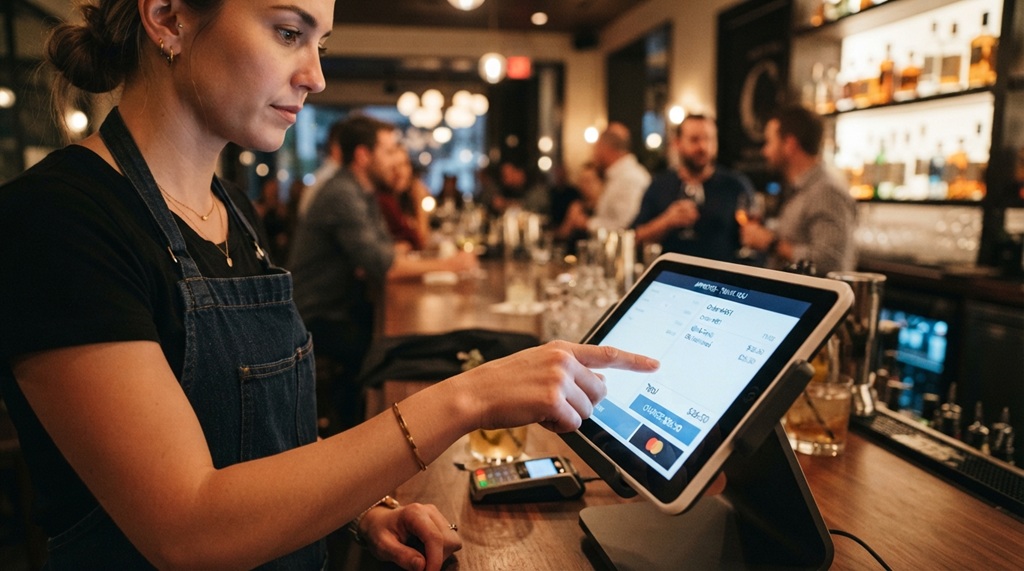
Technology speeds up hotel bar service when it removes a manual step, not when it’s added on top of the same manual steps. Before choosing any tool, identify exactly which part of the order-to-payment process is actually slow.
- POS systems built for hospitality can route drink orders directly to the bar screen, cutting out handwritten tickets and reducing order errors that cause re-makes.
- Room-charge integration lets guests settle a bar tab to their room instantly, which removes the card-swipe wait time that adds up during busy periods.
- Pre-batched cocktail systems for high-volume drinks (think a pre-mixed base for a signature cocktail) can cut build time significantly for drinks that would otherwise require multiple measured pours.
- Digital training checklists replace paper onboarding sheets and make it easier for shift leads to verify that new hires have actually practiced each drill, not just watched a video once.
The genuinely underused tip here: track ticket times by time of day and by bartender, not just as a bar-wide average. Averages hide the fact that one specific shift or one specific staff member is where most of the slowdown is actually happening, and most hotel bars never look at the data this way.
Structure Shifts and Staffing to Prevent Bottlenecks
Even well-trained staff will look slow if the shift is understaffed for its actual demand pattern. Speed training only pays off when staffing levels match real guest flow, not a fixed schedule based on habit.
Match Staffing to Real Demand Windows
Pull data on your bar’s actual busiest hours often tied to check-in time, conference breaks, or dinner reservation windows rather than assuming a standard “happy hour” pattern applies. Hotel bar traffic frequently spikes around events that have nothing to do with typical bar hours.
Assign Clear Roles During Peak Periods
During rushes, designate one person to run the well, one to handle garnish and glassware support, and one to manage the POS and guest communication. Splitting these roles prevents one overloaded bartender from becoming the bottleneck for the entire bar.
Cross-Train for Flexible Coverage
Train at least one or two front-of-house or banquet staff to cover basic well-drink service during unexpected surges, like an overflow crowd from an event. This gives managers a pressure-release valve without pulling a fully trained bartender off a more complex station.
Balance Speed With Guest Experience and Drink Quality
Faster service that produces bad drinks or feels rushed to guests defeats the purpose of the training in the first place. The goal of speed training should always be “faster without guests noticing the rush,” not “faster no matter what.”
Train staff to keep basic guest engagement eye contact, a quick acknowledgment, a smile even while working quickly, since guests judge speed partly by how attended-to they feel, not just by the clock. A guest who’s greeted immediately and told “I’ll have that right up” often perceives service as faster than one who waits in silence for the same actual amount of time.
Build a quick quality-check habit into speed drills too: taste-testing batches, checking pour consistency, and confirming garnish standards even during timed practice. This prevents staff from developing the habit of cutting corners on quality just to hit a faster number in training.
Frequently Asked Questions
How long does it take to train a hotel bartender to work faster without losing quality?
Most hotels see noticeable improvement within two to four weeks of consistent drill-based practice, assuming staff already know the core recipes. Full speed and consistency under real pressure typically takes a full season of live shifts to solidify.
Should new hires shadow experienced bartenders before starting speed drills?
Yes, shadowing for at least a few shifts helps new hires learn the specific layout, recipes, and guest patterns of that particular bar before speed becomes the focus. Starting speed drills too early, before the basics are solid, tends to build bad habits that are harder to undo later.
What’s the biggest mistake hotels make when training bar staff for speed?
The most common mistake is training bartenders in isolation without fixing the physical workflow or staffing levels around them. A skilled bartender working in a poorly laid-out bar during an understaffed shift will still look slow no matter how much individual training they’ve had.
Does faster bar service actually improve guest satisfaction scores?
Generally yes, since wait time is consistently cited by industry experts as one of the top complaints in hotel bar and restaurant feedback. However, satisfaction depends on guests also feeling acknowledged and getting a correctly made drink, not on speed alone.
How do you measure whether bar staff training is actually working?
Track average ticket time per drink category, broken down by shift and by staff member, before and after training. Guest feedback scores tied specifically to bar service, and remake/error rates, are also useful signals that speed gains aren’t coming at the cost of quality.
Conclusion
Training hotel bar staff for faster service works best as a combined effort: fix the physical workflow first, run realistic repetition-based drills, use technology to remove manual friction, staff shifts to match real demand, and never let speed training strip out the guest-facing warmth that makes hotel bar service feel premium in the first place. Hotels that treat these as one connected system rather than just “make the bartenders practice more” see faster service that guests actually notice, without the drop in drink quality or hospitality that speed-only training often causes.