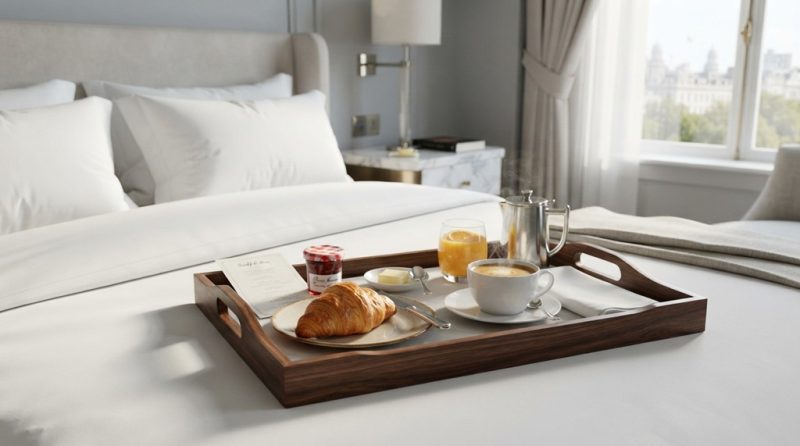
To upgrade hotel room service, focus on four things: the menu, the ordering process, delivery speed, and small personal touches. It’s not about adding more items to a laminated card. It’s about removing friction and adding surprise. Guests now compare your in-room dining to food delivery apps, not just to the hotel down the street. The bar has quietly gotten much higher.
This matters because room service happens one-on-one, inside the most private part of a guest’s stay. Get it right, and you build loyalty and earn five-star reviews. Get it wrong cold food, a long wait, a mixed-up order and you hand guests their worst memory of the trip.
Below is a practical look at what actually works: menu design, technology, speed, staff training, personalization, and presentation. Each section stands on its own. Pull whichever piece fits your property right now.
Redesign the Menu Around What Guests Actually Order
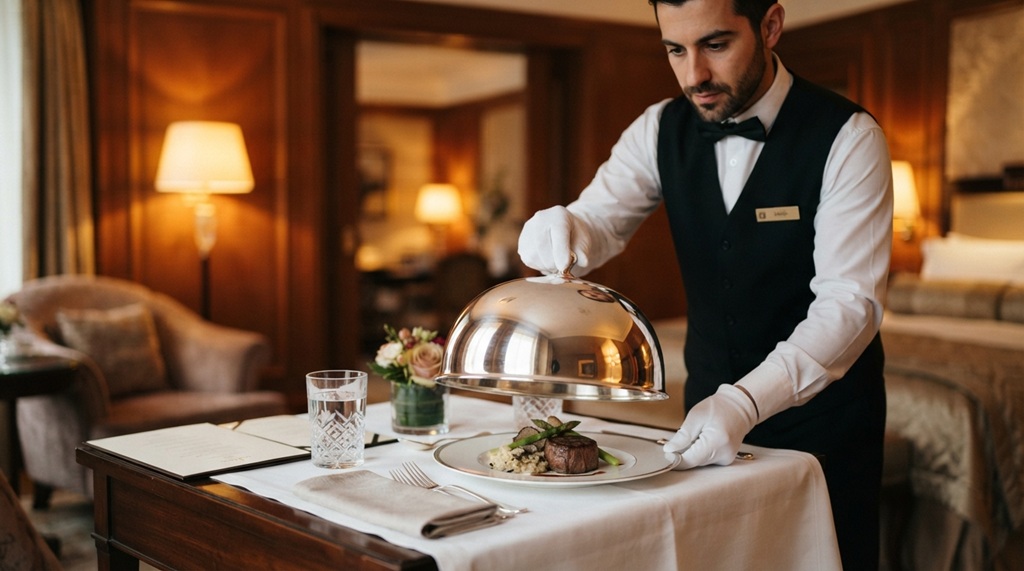
Start with the menu. No amount of speed or great service can fix a menu nobody wants to order from. Most hotel menus carry too many dishes. They look impressive on paper but travel badly, arrive lukewarm, or miss what guests actually crave at 9 p.m. in a hotel room.
Cut the menu down, then build it back up
Pull your point-of-sale data from the last six months. Find your ten best-selling items. Everything else is a candidate for removal. A tighter menu cooks faster. It’s easier to keep consistent. Kitchens also run into fewer 86’d ingredients mid-shift and all of this improves the guest experience.
Prioritize dishes that travel well
Soups, sandwiches, and bowls beat a plated steak that has to survive an elevator ride and a hallway. Keep a few “hero” dishes for special occasions if you like. Just design the packaging for transport instead of adapting a dine-in plate at the last minute.
Add local and comfort-food options
Guests want food that reflects the destination, or feels familiar and comforting. Generic hotel fare doesn’t cut it anymore. Industry experts point to wellness-driven and locally sourced menu options as a real differentiator now, especially among leisure and long-stay travelers.
Make Ordering Effortless With the Right Technology
Remove the phone call. Let guests order the way they already order everything else. A guest who has to call the front desk, wait on hold, and read a menu number out loud starts the experience frustrated before the food even leaves the kitchen.
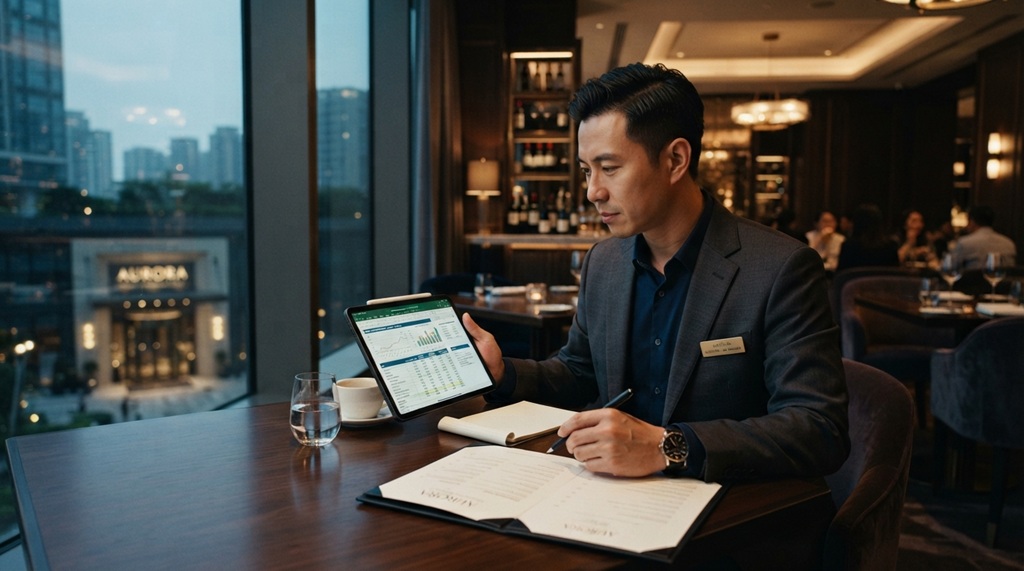
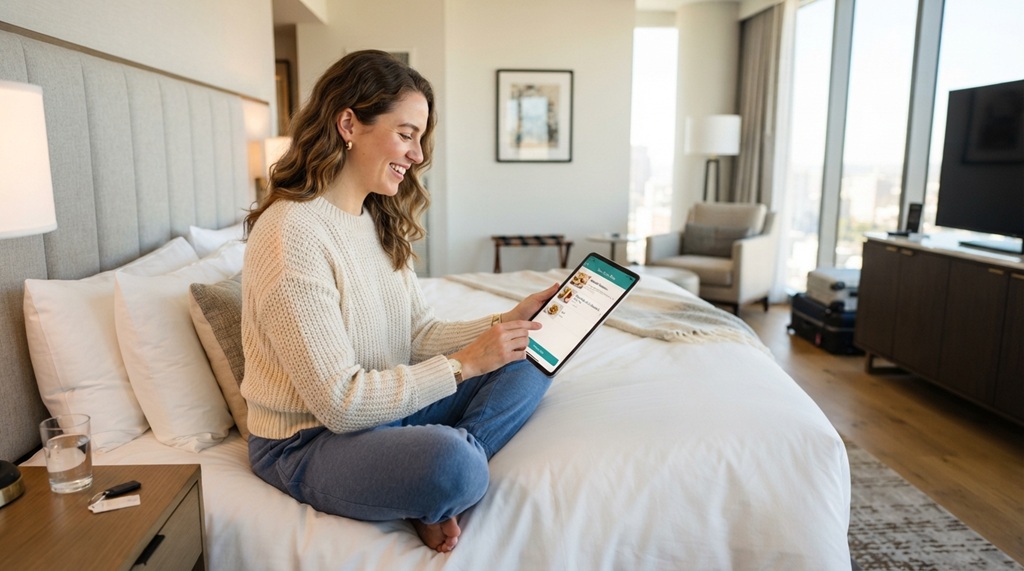
In-room tablets, QR-code menus, and mobile apps let guests browse photos, customize orders, and add allergy notes, all without leaving their bed. They can pay instantly too. Industry experts note that hotels increasingly manage dining and service requests through handheld interfaces. This cuts wait times and gives staff clear visibility into what’s coming, which boosts labor efficiency during busy periods.
Can’t roll out a full app yet? Start small. A simple QR code linking to a mobile-friendly ordering page still removes most of the friction of a phone-based system. Pair it with automated text confirmations, so guests always know their order arrived and roughly when to expect it. This one small detail removes a surprising amount of guest anxiety.
Optimizing Kitchen Workflow for Swift, Uncompromised Delivery
Speed is the ultimate catalyst for room service satisfaction, yet delays are almost always a symptom of inefficient kitchen workflow rather than a lack of staffing. Guests rarely evaluate a meal on subtle culinary nuances if it arrives forty-five minutes late and lukewarm; temperature and timeliness dictate perceived quality. However, accelerating delivery without compromising excellence requires a strategic balance between kitchen operational efficiency and smart menu design. After all, elevating your room service experience is only sustainable when grounded in solid unit economics—which is why knowing price hotel restaurant menus for maximum margin is essential to boosting room service profitability alongside guest satisfaction.
Separate the room service line from the restaurant line
Does your kitchen cook room service on the same line as the restaurant? Then room service will always lose priority during a dinner rush. Set up a dedicated prep station, even a small one. It protects your delivery times when the main kitchen gets slammed.
Set and communicate a realistic delivery window
Base your delivery window on real kitchen throughput data don’t guess. Update the guest if something changes. Tell a guest “35–40 minutes,” and they’ll feel delighted if food arrives in 30. Tell them “20 minutes” and make them wait 35, and they’ll feel ignored, even with identical delivery speed.
Use insulated, purpose-built delivery equipment
Heated carts, insulated bags, and covered plates aren’t a luxury add-on. They make the difference between food that tastes intentional and food that tastes like an afterthought by the time it reaches the room.
Train Staff to Turn a Delivery Into a Moment
Technology and speed get food to the door. But the person who knocks on it shapes how the whole interaction feels. A rushed, silent handoff feels transactional, no matter how good the food is. A warm, brief interaction can make even a simple club sandwich feel like real hospitality.
Train delivery staff on a few specific habits. Knock and announce clearly. Use the guest’s name if it’s on the order. Offer to walk through the plate setup for anything unusual. Ask if the guest needs anything else before leaving and mean it, not as a scripted line. Staff also need to know how to handle a wrong or delayed order gracefully, on the spot. How you recover from a mistake often shapes a guest’s impression more than the mistake itself.
Cross-train front desk and housekeeping staff too. They should recognize and flag room service issues when they see them. A housekeeper who spots an untouched tray outside a door for hours, or a front desk agent who overhears a complaint, should know exactly who to alert. That way the issue doesn’t just disappear into the shift change.
Personalize the Experience Using Guest Data You Already Have
Most hotels already collect what they need to personalize room service. They just don’t use it. Loyalty profiles, past order history, and simple check-in notes dietary restrictions, allergies, anniversaries can shape a much better experience without adding real cost.
Picture a returning guest who ordered oat milk with their coffee last stay. Now it’s already stocked in the room. Or a guest celebrating an anniversary gets a small complimentary dessert added to their order. Guests remember moments like these far longer than they remember the meal itself. Industry experts note that guests now expect hotels to anticipate their needs based on past behavior, instead of starting from a blank slate every visit. Predictive, data-informed service is becoming a real driver of loyalty, not just a novelty.
You don’t need an expensive CRM overhaul to start this. Even a shared notes field in your existing property management system, checked by the room service team before each delivery, captures most of the benefit.
An Overlooked Lever: Redesign the “In-Between” Moments
Most room service upgrades focus on the order and the delivery. But the moments in between waiting, eating, and cleanup deserve just as much attention, and they rarely get any.
Give guests an easy way to signal they’re finished. Try a simple door-hanger tag, a tray pickup time printed on the receipt, or a text-based “ready for pickup” button in your ordering app. Trays left in hallways for hours show up constantly in online reviews as a guest complaint. It’s almost always a communication gap, not a housekeeping failure. Fix this one unglamorous step, and you’ll often boost perceived cleanliness and service quality more than adding new menu items ever could.
Frequently Asked Questions
How much does it cost to upgrade hotel room service?
Costs vary widely by scope. A menu redesign and staff training can cost very little. Adding tablets or a mobile ordering app requires a larger upfront technology investment. Many hotels start with low-cost changes, like QR-code ordering and menu trimming, before they invest in full digital platforms.
What’s the biggest complaint guests have about hotel room service?
Slow delivery and cold food top the list, followed closely by long phone wait times when ordering. Fix your kitchen workflow and delivery speed first. That alone resolves most guest dissatisfaction before you touch anything else.
Should small hotels bother upgrading room service, or is it only worth it for large properties?
Small and boutique hotels can benefit even more. A single bad room service experience carries more weight in a smaller property’s review volume. Low-cost changes a tighter menu, QR ordering, better staff training work well no matter your property size.
Is 24-hour room service still expected by guests?
Full 24-hour service isn’t as universally expected as it once was, but guests still expect some late-night option, even a limited one. Many hotels now run a full menu during peak hours and a smaller “night menu” overnight. This balances guest expectations against staffing costs.
How do I measure whether a room service upgrade actually worked?
Track average delivery time, order volume, and guest satisfaction scores tied specifically to room service, before and after your changes. Review comments that mention room service by name not overall satisfaction alone for the clearest signal of what guests actually noticed.
Conclusion
Upgrading hotel room service isn’t a single project with a finish line. It’s an ongoing mix of a smarter menu, frictionless ordering technology, faster and better-organized delivery, genuinely trained staff, and small personal touches drawn from data you likely already have. None of these changes need a full-scale renovation. You can pilot most of them with your existing staff and a modest technology investment. Start with whichever gap costs you the most guest complaints today. Measure the result, then build from there.