Pricing a hotel restaurant menu for maximum margin comes down to three things. Know your true food cost per dish. Price based on contribution margin, not just cost percentage. Then design the menu layout to nudge guests toward your most profitable items. Get these three right, and you can lift restaurant profitability. You won’t need to raise prices across the board or scare off guests.
Hotel F&B is different from a standalone restaurant. You deal with room-service markups, banquet contracts, and seasonal occupancy swings. Your audience is captive but still price-sensitive. Many guests are already paying a premium for the room. That means pricing decisions here carry more weight. Get it wrong, and you bleed margin on every cover, or push guests toward the deli down the street.
This guide breaks down a practical, numbers-first approach to hotel menu pricing. It also covers a few tactics that most generic pricing articles skip. One example: banquet and room-service pricing should feed back into your à la carte strategy, not live in a separate spreadsheet.
Understand Your True Food Cost Before You Price Anything
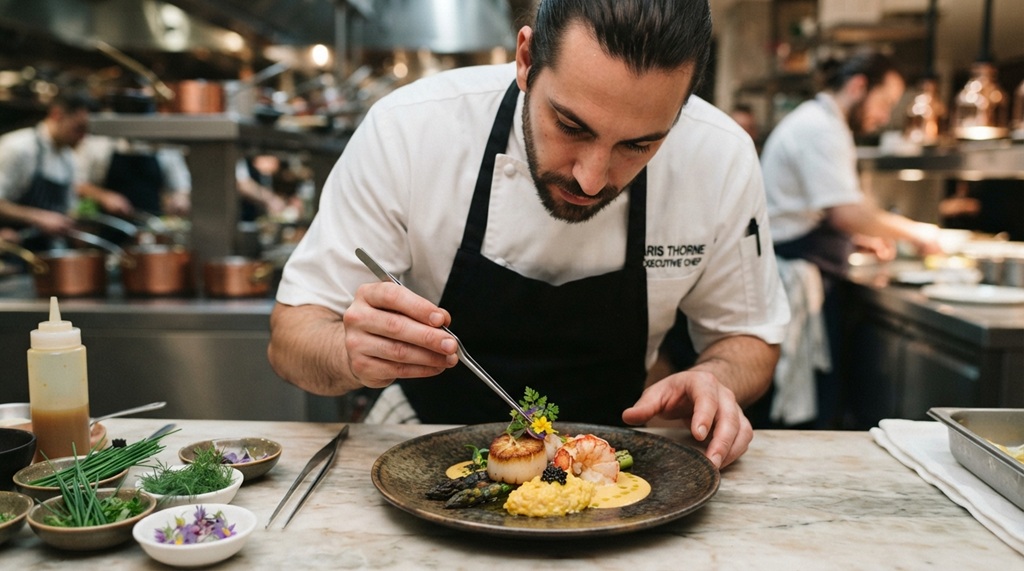
Your food cost must include every ingredient, garnish, and portion waste allowance. Not just the headline protein. Most operators underprice dishes because they calculate cost using only the “hero” ingredient, and forget the rest of the plate.
What to Include in a Real Food Cost Calculation
A complete food cost per dish should account for:
- The main protein or ingredient, priced at actual invoice cost, not list price
- Sides, sauces, garnishes, and bread service
- Estimated waste and trim loss, typically 5-10% depending on the ingredient
- Portion consistency, since inconsistent plating breaks your cost model even when the recipe card is accurate
Proactive Menu Recosting Protects Your Profitability
Ingredient costs fluctuate constantly—especially for imported specialties like seafood, out-of-season produce, and artisanal cheeses heavily relied upon by hotel kitchens. Given recent supply chain volatility, a menu priced accurately in January can silently erode your margins by summer if left unchecked; a brief quarterly cost audit safeguards your bottom line far better than an annual review. However, maintaining high-margin pricing is only half the battle—even the most precisely calculated prices cannot offset losses from wasted inventory. To fully maximize your yield and protect your revenue, integrate proactive pricing adjustments with strategies on cut hotel kitchen food waste and boost profits.
Price by Contribution Margin, Not Just Cost Percentage
The goal isn’t a uniform food cost percentage on every dish. It’s to maximize the actual dollar profit, or contribution margin, each dish generates per cover. A steak at 35% food cost that sells for $48 earns more real profit than a pasta dish at 22% food cost that sells for $18.
This is the biggest mental shift hotel F&B managers need to make. Chasing a flat 28-30% food cost target across the menu often backfires. It can mean underpricing high-ticket items and overpricing low-cost ones. Total profit can shrink even when the percentages look right on a spreadsheet.
The Contribution Margin Formula
Contribution margin per dish equals selling price minus food cost. Multiply that by expected sales volume, and you get a clear picture of which dishes deserve menu real estate. You’ll also see which ones quietly drag down your average check.
Why This Matters More in Hotels Specifically
Hotel restaurants often keep certain dishes for reasons beyond pure profit. A signature regional dish builds brand identity. A low-margin kids’ menu item serves family guests. A comfort-food option suits extended-stay travelers. Contribution margin analysis lets you keep these strategic items on the menu. Meanwhile, you can price your bestsellers and high-margin items to compensate.
Use Psychological Pricing Techniques That Fit a Hotel Guest
Small formatting and number choices shape what guests order and how much they spend, even in a full-service hotel. Hotel guests compare prices less than local diners do, since they rarely walk to a competing restaurant. Even so, psychological pricing still affects the average check.
Practical Techniques Worth Using
- Drop the dollar sign and decimals where appropriate. “$28.00” reads like a transaction. “28” reads more like a number on a page. Removing currency symbols has been shown in restaurant pricing studies to reduce price-consciousness slightly.
- Avoid strict left-to-right price columns. When prices stack in a vertical column, guests scan for the cheapest option first. Stagger price placement across the page to discourage this habit.
- Use price anchoring with one premium item per category. A $65 chateaubriand for two makes a $38 ribeye look like the reasonable middle choice. Alone, that ribeye might have felt expensive.
- Bundle strategically for room service and breakfast menus. Price a fixed breakfast bundle slightly above the sum of its à la carte parts. This often raises both average check and kitchen efficiency.
Design the Menu Layout to Highlight High-Margin Dishes
Where a dish sits on the page directly affects how often guests order it. This holds true no matter the dish’s actual quality or price. This idea drives menu engineering, and it’s one of the fastest ways to shift sales toward your most profitable items without changing a single price.
The Menu Engineering Matrix
Classic menu engineering sorts every dish into four categories, based on popularity and profitability:
- Stars (high popularity, high margin): Feature these prominently, usually top-right or in a boxed callout. That’s where eyes land first on most menu layouts.
- Plow Horses (high popularity, low margin): Consider a small price increase or portion adjustment. Guests already want these regardless of price.
- Puzzles (low popularity, high margin): Rename, reposition, or pair with a better description. These dishes are profitable, but guests simply aren’t noticing them.
- Dogs (low popularity, low margin): Consider removing or replacing these. They take up kitchen prep time and menu space without returning value.
Hotel-Specific Layout Considerations
Hotel restaurants often serve multiple dayparts, like breakfast, lunch, dinner, and room service, from a single kitchen. Give each daypart menu its own margin review. A dish that’s a “Star” at dinner might turn into a “Dog” on the limited room-service menu, since prep time and plating differ.
Align Banquet, Room Service, and À La Carte Pricing Strategy
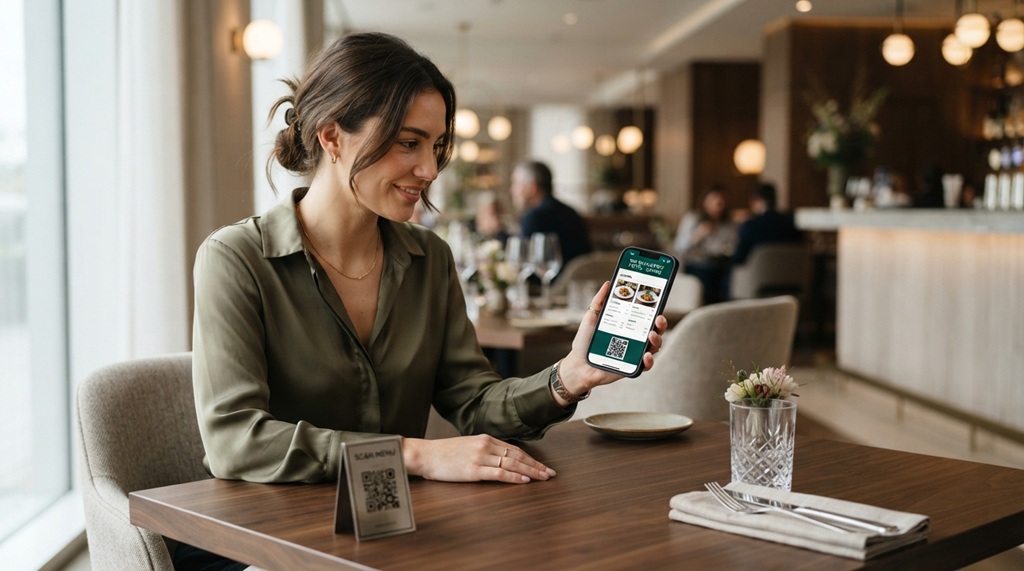
Don’t set banquet and room-service pricing in isolation from your à la carte menu. Inconsistent pricing logic across these channels confuses guests. It also leaves margin on the table in at least one of them. Most generic restaurant pricing guides skip this step entirely, since it’s unique to the hotel F&B model.
Room Service Markup
Room service typically carries a delivery fee or built-in markup, often 18-20% above the restaurant menu price. This covers the labor and equipment costs of in-room delivery. Keep this markup transparent on the room-service menu, and consistent with your positioning. A markup that feels punitive rather than service-based can hurt guest satisfaction scores, which often factor into loyalty program reviews.
Banquet and Group Contract Pricing
Banquet pricing usually runs per person with a set menu. The margin math differs here, because labor and food cost ratios shift with volume. Use your à la carte contribution margin data as a floor. A banquet menu item should never cost less per person than an equivalent à la carte dish, even after you account for kitchen efficiency at scale.
Keep the Story Consistent
Picture a guest who orders the same salmon dish at dinner, from room service, and on a banquet menu, each priced by very different logic. That inconsistency can undermine trust in your pricing overall. Align the underlying cost and margin targets across channels, even when final prices differ. This keeps your pricing defensible if a guest or corporate client ever questions it.
Review and Adjust Prices on a Regular Cycle
Menu pricing isn’t a set-it-and-forget-it task. It needs a recurring review cycle tied to both cost changes and sales data, not just an annual refresh. Hotels with strong F&B performance typically review pricing quarterly. They also run a lighter monthly check on any ingredient that has seen major cost swings.
What to Track Between Reviews
- Sales mix by dish, or what percentage of covers each item represents
- Actual food cost variance against your recipe card estimates
- Guest feedback that specifically mentions value or price, from surveys or review sites
- Competitor movement, especially other hotel F&B outlets in your market or comparable independent restaurants nearby
Signs a Price Needs Adjusting
Watch sales volume after a price increase. A sharp drop signals price resistance, and you may need to roll back or reposition the item. On the other hand, a dish that keeps selling well through a price increase usually has more room to grow before it hits its ceiling.
Frequently Asked Questions
What food cost percentage should a hotel restaurant target?
Most hotel restaurants aim for a blended food cost between 28-35%. This varies by dish category, so don’t apply it uniformly. Focus more on total contribution margin dollars across the menu than on hitting an exact percentage for every item.
How often should hotel restaurant menu prices be updated?
A quarterly full review works as a reasonable baseline. Add monthly spot-checks on ingredients known for price swings, like seafood or imported produce. Wait a full year between reviews, and your menu may quietly lose margin for months before anyone notices.
Should room service prices always be higher than restaurant prices?
In most cases, yes. Room service carries extra labor, packaging, and delivery costs that in-restaurant dining doesn’t. Present the markup transparently, typically as a stated delivery or service fee, rather than hiding it inside inflated item prices.
How do I price a banquet menu without hurting profitability?
Start with your à la carte contribution margin data as a baseline, then build the per-person banquet price up from there. Factor in labor efficiency at volume. Never let banquet pricing drop below what the equivalent dish would need to earn as an à la carte item, even with group discounts factored in.
Does menu design actually affect what guests order in a hotel restaurant?
Yes. Placement, descriptions, and visual emphasis measurably shift guest ordering patterns, independent of price or dish quality. Highlight high-margin “Star” dishes in prominent positions on the page. It’s one of the lowest-cost ways to improve overall menu profitability.
Conclusion
Maximizing margin on a hotel restaurant menu isn’t about raising every price. Know your real food costs. Price for contribution margin rather than a flat percentage. Use layout and psychology to guide guest choices. Keep room service and banquet pricing aligned with your core menu strategy. Build a regular review cycle around all of it, and your menu becomes a living profit tool. Leave it unchecked, and it quietly loses money every quarter that passes.