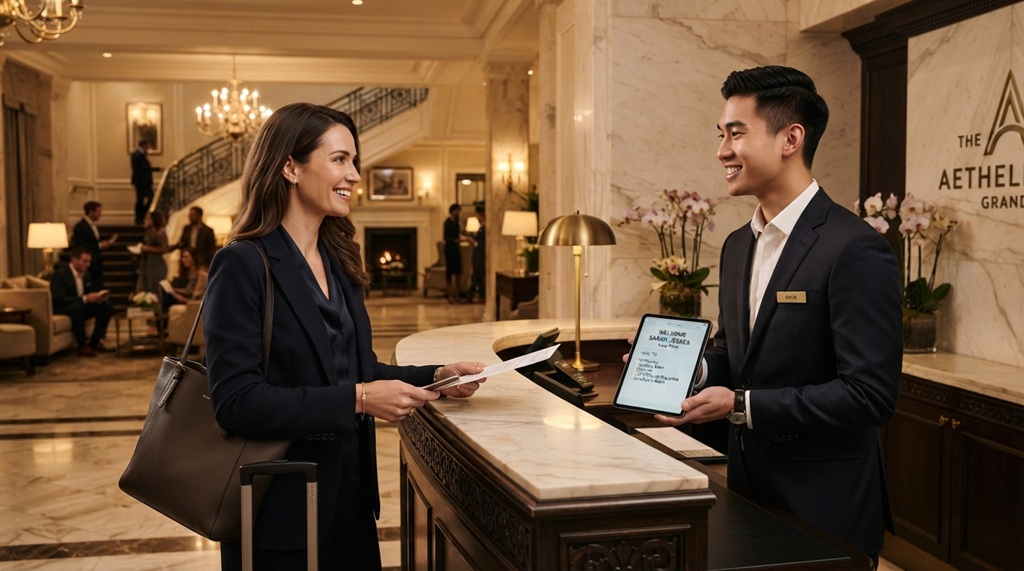
Great hotel experiences rarely happen by accident. According to a report by American Express, 86% of customers are willing to pay more for a better experience, and hotels are no exception. When you look at the best examples of excellent hotel customer service, one thing stands out clearly: it is always personal, proactive, and consistent. Hotels that master this skill turn one-time visitors into loyal guests who book again and again.
Why Hotel Customer Service Makes or Breaks the Guest Experience
Customer service in hospitality goes far beyond a warm smile at check-in. It shapes how a guest feels from the moment they book online to the moment they check out. A single bad experience can lead to a negative review that discourages hundreds of potential guests. On the other hand, one genuinely thoughtful interaction can earn a five-star review that drives more bookings for months. That is why smart hotel managers treat service quality as their most valuable competitive advantage.
The Gap Between Average and Excellent
Average hotel service simply meets expectations. Excellent hotel service creates moments guests want to talk about. The difference often lies in small details: remembering a guest’s name, noticing they look tired after a long flight, or surprising them with a room upgrade on their anniversary. These small gestures require no massive budget, just genuine attention and a well-trained team. When those details come together consistently, they become the foundation of an outstanding guest experience.

7 Real-World Examples of Excellent Hotel Customer Service
1. Personalised Welcome Experiences
One of the most powerful examples of excellent hotel customer service is the personalised welcome. The Ritz-Carlton is famous for briefing its staff on returning guests before arrival, noting preferences like pillow type, preferred floor, or favourite newspaper. Guests walk into their room and find everything set up exactly how they like it, without asking for anything. This level of preparation signals respect and genuine care. It tells the guest, “We remember you, and we value your return.”
2. Going Beyond the Obvious to Help Guests
True service excellence shows up most clearly in unexpected situations. A great example is when a guest at a Four Seasons property mentioned casually that they had lost their favourite running shoes. The concierge team sourced a replacement pair in the right size from a nearby store and had them delivered to the room before the guest’s morning run. Nobody asked them to do that. They simply listened, cared, and acted. That kind of proactive problem-solving is what separates good hotels from truly great ones.
3. Seamless Recovery from Service Failures
Every hotel will face a mistake at some point. What separates excellent hotels is how they handle those moments. Rather than making a guest feel like they are filing a complaint, skilled staff treat recovery as an opportunity. A well-known example involves a Marriott property where a guest’s reservation was accidentally cancelled. The front desk manager personally called three nearby hotels, found availability, arranged transport, covered the first night’s cost, and sent a handwritten apology the next morning. The guest later posted a glowing review about that very experience. Handling problems with speed, ownership, and heart often creates more loyalty than a flawless stay would have.
4. Anticipating Needs Before Guests Voice Them
Anticipating needs is one of the clearest examples of excellent hotel customer service. When a hotel notices a guest ordered chamomile tea three evenings in a row, proactively placing a selection in the room the following night shows remarkable attentiveness. When a family checks in with a toddler, bringing up a cot, some baby-safe toiletries, and a small toy without being asked sends a clear message. The best hotels train their staff to read context and act before the guest even forms the request. This transforms a passive service encounter into something that feels genuinely human.
5. Empowering Staff to Make Decisions On the Spot
Many hotels give their front-line staff the authority to resolve issues immediately, without needing manager approval for every small decision. The Ritz-Carlton, for example, allows each employee to spend up to $2,000 per guest per incident to resolve problems without escalation. This policy means no guest ever hears “I will have to check with my manager.” Instead, the staff member says “Let me take care of that for you right now.” That instant empowerment creates a seamless, confident service experience that guests notice and appreciate deeply.
6. Thoughtful Touches for Special Occasions
Celebrating a guest’s milestone is one of the simplest yet most memorable examples of excellent hotel customer service. A hotel that notices a booking note saying “honeymoon trip” and decorates the room with flowers and a handwritten congratulations card costs very little but creates a lasting impression. Likewise, when a loyalty member reaches their birthday month, a surprise dessert sent to the room with a personalised card goes a long way. These moments are not expensive, but they are deeply felt. Guests remember how a place made them feel, not just what amenities it offered.
7. Consistent Service Across Every Touchpoint
Outstanding hotels understand that guest experience is not built in single moments but across every touchpoint. From the speed and clarity of the initial booking confirmation to the friendliness of the parking attendant, every interaction adds up. Consistency is a form of respect. When a guest can expect the same quality of care whether they interact with housekeeping, room service, or the front desk, trust builds naturally. Hotels that invest in cross-department training and shared service standards see this kind of consistency pay off in repeat bookings and strong word-of-mouth referrals.
What Makes These Service Moments Work
Looking at all these examples of excellent hotel customer service, a clear pattern emerges. The best service is not scripted or mechanical. It is built on a foundation of genuine interest in the guest’s wellbeing and supported by smart systems that capture and use guest data thoughtfully. Training matters enormously, but so does culture. When hotel leadership models hospitality from the top down, it tends to filter through every level of the team naturally. Guests pick up on that energy immediately when they walk through the door.
How Hotels Can Build a Culture of Service Excellence
Building a culture of excellent service starts with hiring people who genuinely enjoy helping others. Skills can be taught, but warmth and empathy are harder to train from scratch. Beyond hiring, regular recognition programmes that celebrate staff who deliver outstanding moments go a long way. Sharing guest feedback in team meetings, both positive and constructive, keeps service quality front of mind. Finally, investing in simple technology tools like guest preference profiles or pre-arrival surveys allows staff to personalise every stay without relying purely on memory.
The Role of Technology in Modern Hotel Service
Technology plays a supporting role in delivering excellent hotel service, but it should never replace the human element. Mobile check-in apps, AI-powered chatbots for common queries, and digital concierge platforms help streamline operations. However, the most memorable experiences still come from a real person making a genuine connection. The smartest hotels use technology to handle the routine, freeing their staff to focus on the moments that truly matter. That balance between efficiency and warmth is where excellent hotel service truly lives.
Conclusion: Start Delivering Service Worth Talking About
The examples of excellent hotel customer service shared here all point to one core truth: guests remember how you made them feel. Whether it is a personalised welcome, a proactive gesture during a tough moment, or a seamless recovery from a mistake, exceptional service always comes down to people caring about people. If you manage or work in a hotel, take one lesson from this article and put it into practice today. Train your team to listen, empower them to act, and watch your guest satisfaction scores climb. Start building a service culture that guests cannot stop talking about.
Frequently Asked Questions
What are examples of excellent hotel customer service?
Personalised welcomes, proactive problem-solving, empowered staff decisions, anticipating guest needs, and thoughtful gestures for special occasions are all strong examples.
How do hotels show excellent customer service?
Hotels show excellent service by remembering guest preferences, resolving issues instantly, going beyond what is expected, and making every interaction feel personal and genuine.
Why is customer service so important in the hotel industry?
Strong customer service drives repeat bookings, positive reviews, and word-of-mouth referrals, which are the most cost-effective sources of new business for any hotel.
What does the Ritz-Carlton do differently for customer service?
The Ritz-Carlton empowers every employee to spend up to $2,000 per guest to resolve problems on the spot and trains staff on returning guest preferences before each arrival.
How can small hotels compete with luxury brands on customer service?
Small hotels can compete by focusing on personal connections, remembering guest names and preferences, responding quickly to feedback, and creating warm, memorable moments that larger chains often miss.