Independent hotels are quietly fighting a tough battle every single day. According to research, OTAs (online travel agencies) charge commissions anywhere between 15% and 30% per booking, which directly eats into a hotel’s profit margin. Studies also show that hotels lose over $450 billion in potential direct revenue to OTAs annually. So the real question is: how do independent hotels increase direct bookings without spending a fortune? The answer lies in a mix of smart strategy, genuine guest relationships, and a few underused tools that larger chains already rely on heavily.
Why Direct Bookings Matter More Than Most Hoteliers Realize
Every time a guest books through an OTA, the hotel loses a significant cut of that revenue to a middleman. Beyond the commission, the hotel also loses access to guest data, which makes personalization nearly impossible for future stays. Direct bookings, on the other hand, give hoteliers full control over the guest experience from the very first touchpoint. Over time, this control builds a loyal guest base that keeps coming back without needing a discount from Booking.com.
Build a Website That Actually Converts Visitors into Guests

The hotel website is the single most important direct booking tool, yet most independent properties treat it as an afterthought. A slow, confusing, or outdated website will push potential guests straight to an OTA within seconds. The site must load fast, display clearly on mobile, and make the booking process feel simple and trustworthy. High-quality photos, honest room descriptions, and visible guest reviews all help reduce hesitation and push visitors toward clicking “Book Now.”
Make the Booking Engine Impossible to Miss
The booking button should appear above the fold on every page, not buried in the navigation menu. Many hotels lose direct bookings simply because the process of booking directly feels harder than going to an OTA. A clean, intuitive booking engine with a clear price display, flexible date selection, and a simple checkout builds confidence fast. Tools like Cloudbeds, Little Hotelier, and SiteMinder all offer solid built-in booking engines designed for independent properties.
Show a Clear “Best Rate Guarantee”
One of the biggest reasons guests book through OTAs is the belief that they will find a lower price there. A prominently displayed best rate guarantee tells potential guests they will never find a cheaper price elsewhere. This simple message, backed by a genuine policy, removes one of the most common objections to booking directly. Pair this with a small direct-only perk like free breakfast or late checkout, and the value becomes even harder to ignore.
Use Email Marketing to Stay in Front of Past Guests
Past guests are the warmest audience an independent hotel will ever have. They already know the property, they had a positive experience, and they are far more likely to return than a cold prospect. A simple, well-timed email sequence can bring a meaningful portion of these guests back for another stay. The goal is not to blast them with promotions but to stay relevant, offer genuine value, and remind them why they loved the hotel in the first place.
Build Segmented Email Campaigns That Feel Personal
Generic “Book Now” emails end up in the trash folder every time. Instead, segment the email list by guest type, whether that is couples, solo travelers, families, or business guests, and tailor the message accordingly. A couple who celebrated an anniversary might respond beautifully to a “Come back for your next milestone” campaign with a romance package. Segmented emails consistently outperform broadcast blasts in both open rates and conversion.
Leverage Google to Capture High-Intent Travelers
Google has become the first stop for most travelers searching for hotels in a specific location. Google Hotel Search displays rates directly in search results, and properties that show a direct booking option here capture guests before they ever land on an OTA. Setting up Google Hotel Ads through a connected booking engine is one of the most cost-effective ways independent hotels increase direct bookings because the cost is performance-based. This means the hotel only pays when a guest actually books, not just when they click.
Optimize for Local SEO and Google Business Profile
A fully optimized Google Business Profile is completely free and incredibly powerful for independent hotels. It shows up in local map searches, displays reviews prominently, and lets the property share updates and offers directly on Google. Keeping the profile updated with fresh photos, accurate hours, and prompt review responses signals trust to both Google’s algorithm and potential guests. Many independent hotels overlook this channel entirely, which means the opportunity is wide open.
Offer Exclusive Perks That OTAs Simply Cannot Match
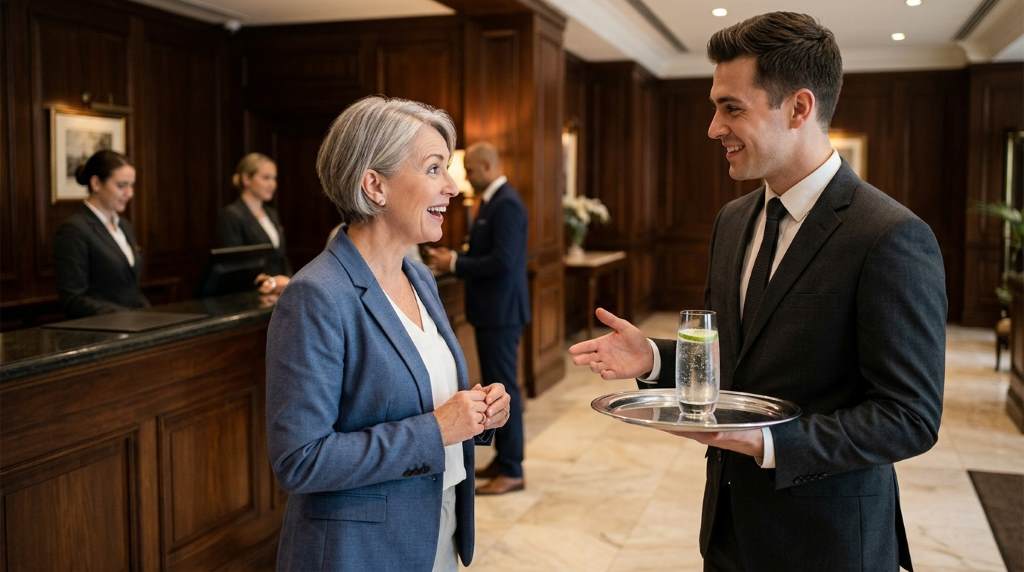
The most effective way to incentivize direct bookings is to offer something that genuinely cannot be found on any third-party platform. This does not have to be a discount, which can devalue the brand over time. Instead, consider perks like early check-in, room upgrade priority, a complimentary welcome drink, parking credits, or exclusive access to a local experience the hotel has arranged with a partner. These small gestures feel highly personal and add perceived value without hurting revenue.
Use Social Media as a Relationship-Building Channel
Social media is often misused as a pure promotional tool, but its real power for independent hotels lies in building authentic community. Sharing behind-the-scenes content, local recommendations, guest stories (with permission), and team highlights makes the hotel feel human and approachable. When followers feel connected to the brand, they are far more likely to visit the hotel’s website directly instead of searching on an OTA. Instagram, Facebook, and even TikTok have become meaningful traffic sources for independent properties that invest in genuine content.
Run Retargeting Ads to Recapture Interested Visitors
Most people who visit a hotel’s website do not book on the first visit. Retargeting ads allow the hotel to follow those visitors across the web with a gentle reminder and, if appropriate, a direct booking incentive. Facebook and Google both offer accessible retargeting tools that do not require a huge advertising budget. Even a modest retargeting campaign can recover a meaningful number of bookings that would otherwise have ended up on an OTA after the guest reconsidered.
Build a Loyalty Program Without the Complexity
Big hotel chains use elaborate points programs, but independent hotels can create loyalty in a far simpler way. A straightforward “return guest” program that offers a small reward on the third stay, or a birthday month discount, costs very little to run but creates a strong emotional connection. The key is to track these guests inside the property management system and make sure the front desk team is trained to recognize and acknowledge returning guests personally. That kind of recognition is something an OTA can never replicate.
Partner With Local Businesses to Create Unique Packages
Travelers increasingly want experiences, not just a place to sleep. Independent hotels that partner with local restaurants, tour operators, wellness studios, or cultural venues can offer packages that have real appeal beyond just the room price. These packages also differentiate the hotel from OTA listings, which typically display nothing more than a room type and a rate. A “Wine Country Weekend” or “Downtown Food Tour Package” speaks directly to the traveler’s desire for a curated experience and gives them a compelling reason to book directly.
Train the Front Desk Team to Encourage Return Direct Bookings
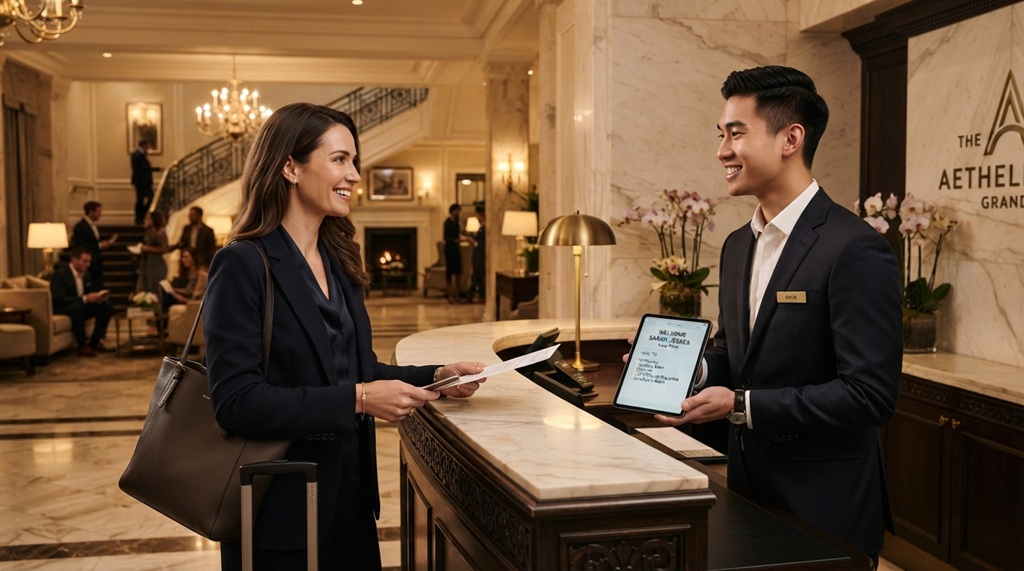
The checkout moment is one of the most underused direct booking opportunities in the industry. A well-trained front desk agent who thanks a guest for their stay and briefly mentions the benefits of booking directly next time can make a real difference. The conversation does not need to be a sales pitch at all. A simple, warm mention like “Next time you visit, booking through our website gets you a complimentary upgrade when available” plants a seed that often converts into a future direct booking.
Conclusion: A Consistent Strategy Is What Separates Hotels That Win
The reality is that how independent hotels increase direct bookings is not a mystery. It comes down to consistent execution across a handful of proven channels, from a high-converting website and Google presence to genuine guest relationships and exclusive perks. No single tactic will transform results overnight, but combining several of these approaches creates a compounding effect that steadily shifts more bookings away from OTAs and back to the hotel’s own bottom line. Start with the one or two areas where the biggest gaps currently exist, build momentum from there, and revisit the strategy quarterly to keep improving.
If you run an independent hotel and want to take control of your revenue, start by auditing your website’s booking experience today. That single step alone can unlock a meaningful increase in direct reservations.
Frequently Asked Questions
What is the fastest way for an independent hotel to increase direct bookings?
Optimizing the hotel website with a clear booking button and a best rate guarantee delivers results faster than almost any other tactic.
Do independent hotels really need a loyalty program?
A simple return guest reward or recognition program is enough; it does not need to be a complex points system to be effective.
How much do OTAs typically charge independent hotels in commission?
Most OTAs charge between 15% and 30% commission per booking, depending on the platform and agreement.
Is Google Hotel Ads worth the investment for small independent hotels?
Yes, because Google Hotel Ads operate on a pay-per-booking model, meaning the hotel only pays when a reservation is actually completed.
How can independent hotels compete with large chains on direct bookings?
By focusing on personalization, local experiences, and genuine guest relationships, which large chains struggle to deliver at scale.