The hotel front desk is the heartbeat of any property. According to a study by Salesforce, 80% of customers say the experience a company provides is just as important as its products or services. For hotels specifically, that experience starts and ends at the front desk. Strong standard operating procedures for the hotel front desk help staff handle everything from peak check-in rushes to tricky guest complaints without missing a beat. When your team knows exactly what to do in every situation, the entire operation runs smoother and guests leave happier.
Why Front Desk SOPs Actually Matter
Most hotel managers understand that consistency is key, but many underestimate how much a well-documented SOP system affects the bottom line. Without clear procedures, staff make judgment calls that vary wildly from shift to shift. This inconsistency frustrates guests and creates extra work for supervisors. A solid SOP framework gives every team member the same playbook, no matter their experience level. It also makes training new hires significantly faster and less stressful.
Beyond training, SOPs protect the hotel legally and operationally. If a guest dispute escalates or a security issue arises, documented procedures show that staff followed proper protocol. They also help identify gaps in service delivery during audits or reviews. Simply put, good SOPs are the backbone of a professionally run front office.
Core Standard Operating Procedures for the Hotel Front Desk
1. Guest Check-In Procedure
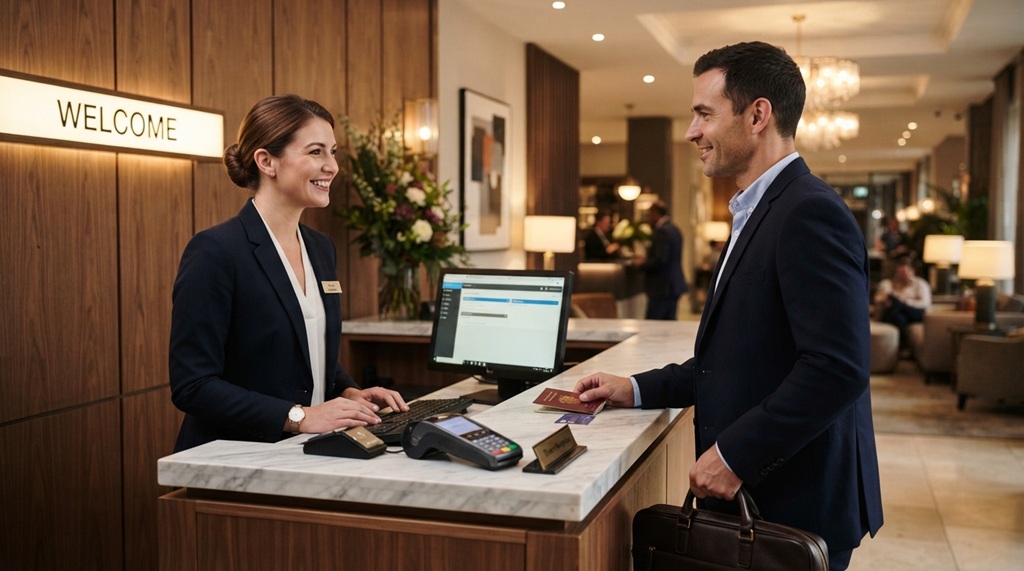
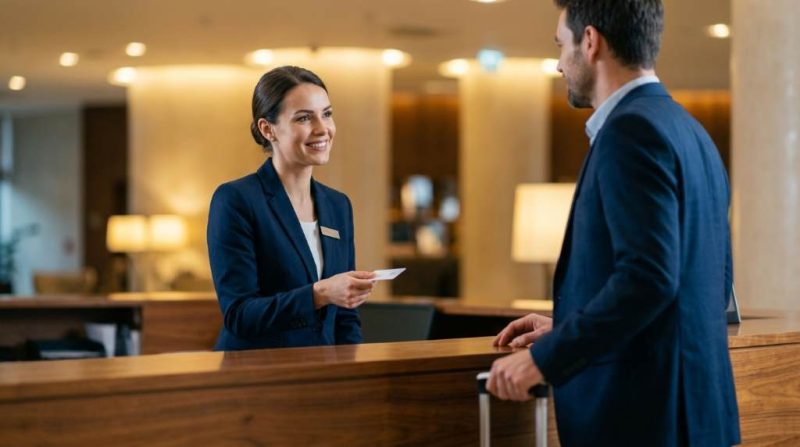
The check-in process sets the tone for the entire stay. Front desk agents should greet every guest within 30 seconds of their approach to the desk. The standard greeting should include the agent’s name and a welcoming phrase, keeping it warm but not scripted-sounding. Verifying the guest’s identity with a government-issued ID is non-negotiable for security reasons.
After confirming the reservation, agents should walk guests through key details: room type, floor, Wi-Fi login, breakfast hours, and checkout time. Offering an upgrade proactively, when available, is a small gesture that often generates strong loyalty. Always end the check-in interaction by asking if the guest needs anything before they head to their room. This one step alone reduces unnecessary calls to the front desk later.
2. Guest Check-Out Procedure
Checkout should feel as smooth as check-in. Agents need to pull up the folio, review charges with the guest, and address any discrepancies calmly and professionally. Processing the final payment quickly matters because most guests are heading to a flight or meeting. A long, confusing checkout experience can undo an otherwise perfect stay.
After payment, collect the room keys and ask about the guest’s overall experience. This is a natural moment to invite feedback or mention your loyalty program. If a guest brings up a concern during checkout, escalate it to a supervisor if needed rather than dismissing it. Sending a follow-up email or receipt within a few hours adds a professional finishing touch.
3. Handling Reservations and Room Assignments
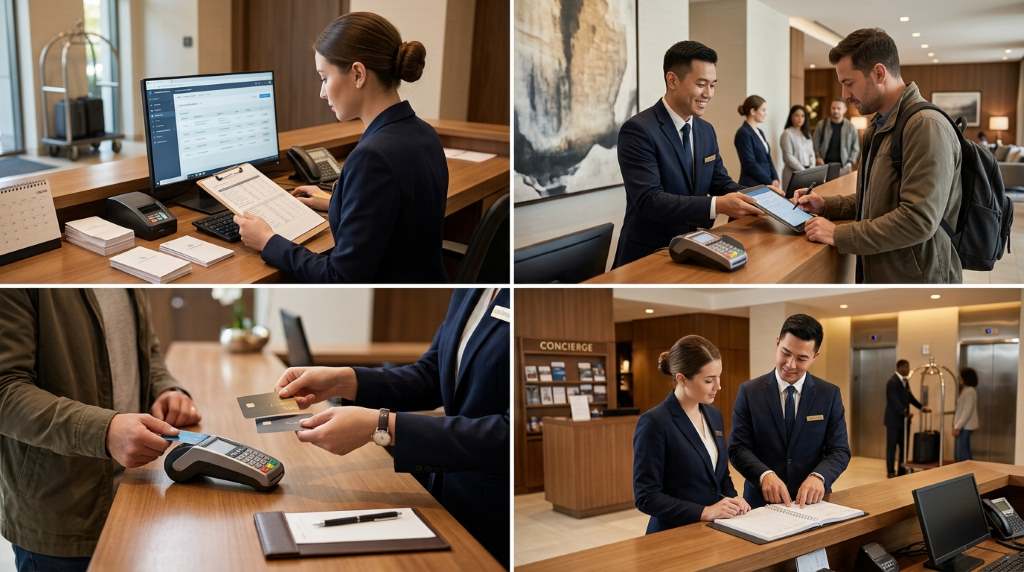
Reservation management is one of the most detail-oriented tasks in the front office. Agents must cross-check booking details in the property management system (PMS) every morning and flag any discrepancies before the day’s arrivals begin. Special requests like connecting rooms, high floors, or accessibility needs require attention well before check-in. Leaving these to the last minute leads to guest disappointment and scrambling.
Room assignments should follow a logical priority system: VIPs, long-stay guests, guests with special requests, and then standard bookings. Blocking rooms early in the shift prevents double assignments and overbooking headaches. Always communicate room changes to housekeeping immediately. A front desk and housekeeping team that communicates well is one of the strongest operational duos in any hotel.
4. Telephone and Communication Etiquette
Every incoming call should be answered within three rings. The agent should state the hotel name, their own name, and offer assistance clearly. Transferring calls should only happen after explaining the reason and confirming the guest is comfortable with the transfer. Putting a caller on hold for more than two minutes without checking back is a service failure, even if unintentional.
For internal communications, using the right channels matters. Urgent housekeeping issues go over radio, not through text or email. Shift handover notes should be documented in writing so the incoming team is fully briefed. Clear communication within the hotel team directly reduces the number of guest complaints that reach the front desk.
5. Complaint Resolution and Guest Recovery
Even excellent hotels receive complaints. The difference is how the front desk team handles them. Train agents to listen without interrupting, acknowledge the problem, and apologize sincerely, even if the issue was not the hotel’s fault. Guests want to feel heard before they want a solution. Skipping straight to problem-solving often makes things worse.
After listening, agents should offer a concrete remedy: a room move, a complimentary meal, a late checkout, or a discount on the bill. Document every complaint and its resolution in the guest’s profile within the PMS. Escalate any complaint that involves safety, legal risk, or a very upset guest to management immediately. Following up with the guest after the resolution shows that the team genuinely cares about their experience.
6. Night Audit Procedures
The night audit is a critical function that often runs between 11 PM and 6 AM. The night auditor reconciles all transactions, verifies room statuses, posts room charges, and generates end-of-day reports. This process ensures the hotel’s financial records are accurate before the next business day starts. Any unresolved discrepancies should be flagged with a note for the morning manager.
The night auditor also serves as the default front desk agent and security point of contact during those hours. That means handling late check-ins, responding to guest calls, and monitoring the property when other staff are off-duty. A reliable night audit SOP keeps this shift running efficiently even with minimal staffing. Many issues discovered during the night audit, if caught early, prevent larger problems the next morning.
7. Security and Emergency Protocols
Front desk agents are often the first to notice something unusual on the property. Every team member should know the procedure for handling a suspicious person, an unresponsive guest, a fire alarm, or a medical emergency. Role-specific emergency cards posted at the desk are a practical tool for quick reference during stressful moments. Regular drills make these responses second nature.
Key control is another important security function. Agents should never give out a room key without verifying the guest’s identity. Lost key requests must follow a verification process before replacement keys are issued. Maintaining a key issuance log, even a simple one, adds an extra layer of accountability.
Training Staff on Front Desk SOPs
Writing good SOPs is only half the job. Getting the team to actually use them is where most hotels fall short. Start by involving experienced front desk agents in the drafting process since they know the real-world nuances that managers sometimes miss. Keep the language simple and avoid jargon so newer staff can follow along without confusion.
Schedule regular SOP review sessions, at least quarterly. Hotel operations evolve and procedures need to keep up with new technology, staffing changes, and guest expectations. Using role-play scenarios during training reinforces the procedures better than simply reading through a document. Pair new hires with senior agents for their first few shifts to bridge the gap between policy and practice.
Conclusion
Building and maintaining strong standard operating procedures for the hotel front desk is one of the most impactful investments a hotel can make. Clear procedures reduce errors, improve guest satisfaction, and give your team the confidence to handle any situation professionally. Start by auditing your current processes, identify the gaps, and document everything in plain language your entire team can follow. Review your SOPs regularly and treat them as a living document, not a one-time project. If you want a consistently excellent guest experience, it all starts with a well-trained front desk team working from a solid SOP playbook.
Frequently Asked Questions
What are standard operating procedures for the hotel front desk?
They are documented step-by-step guidelines that direct front desk staff on how to handle tasks like check-in, check-out, complaints, reservations, and emergencies consistently.
How often should hotel front desk SOPs be updated?
SOPs should be reviewed and updated at least once every quarter or whenever there is a significant change in technology, staffing, or hotel policy.
Why is the check-in process so important in hotel SOPs?
The check-in process is the guest’s first direct interaction with your staff, so it strongly influences their overall impression and satisfaction for the entire stay.
What should a hotel front desk SOP for complaints include?
It should include steps for active listening, a sincere apology, a concrete resolution offer, documentation in the PMS, and a follow-up with the guest afterward.
How do SOPs help with new front desk staff training?
SOPs give new hires a clear reference document that reduces guesswork, shortens the learning curve, and helps them perform consistently from their very first shift.