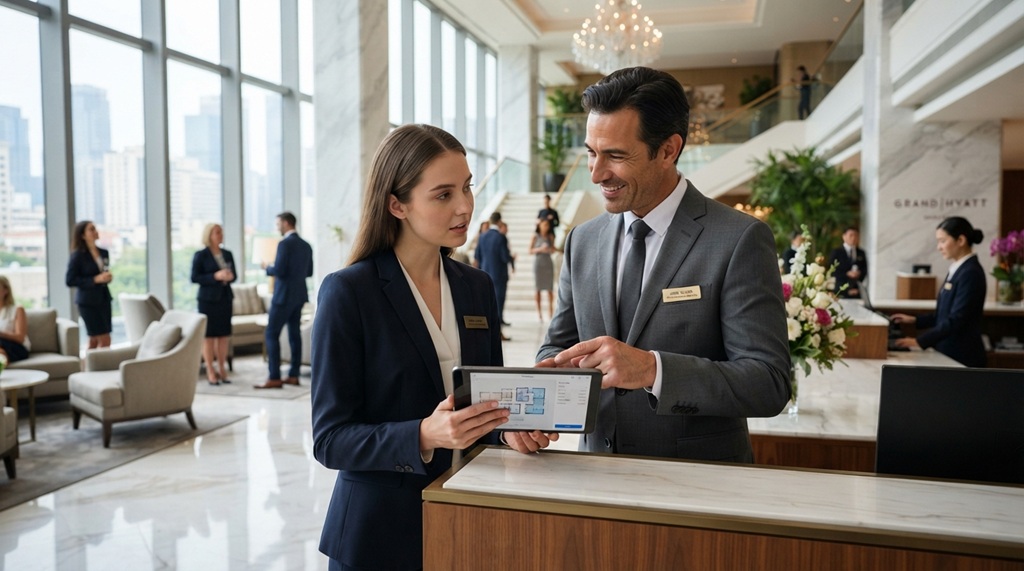
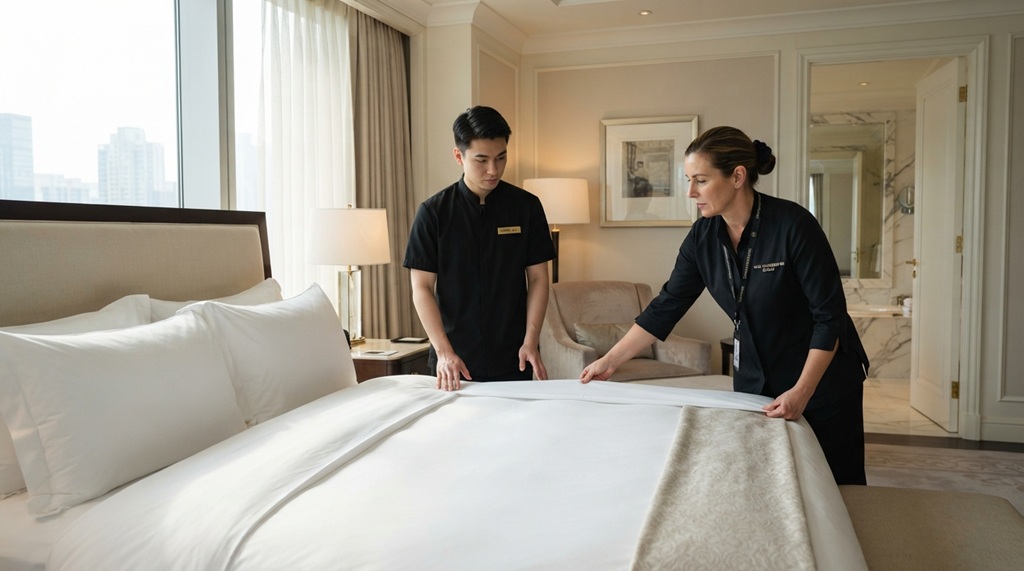
You train front line hospitality staff for 5-star service by combining structured onboarding, hands-on role-play, clear service standards, and ongoing coaching. Guests remember how staff made them feel, not just the room or the amenities. That’s why your front desk, housekeeping, and F&B teams need more than a welcome speech and a name tag.
Great training turns nervous new hires into confident problem-solvers. It also protects your brand. One rude interaction can undo months of marketing. This guide breaks down exactly how to build a training system that produces staff guests actually remember.
We’ll cover onboarding, communication skills, service recovery, technology tools, and how to measure if your training actually works.
Why Front Line Staff Training Directly Impacts Guest Ratings
Front line staff shape a guest’s first and last impression of your property. Reception, bell staff, and housekeeping touch almost every guest interaction, so their training affects your reviews more than any other department.
Guests rarely remember the thread count of your sheets. They remember whether the front desk agent smiled, solved a problem quickly, or made them feel unwelcome. According to industry experts, service quality is one of the top drivers of online review scores in the hospitality sector.
Untrained staff also cost you money. Mistakes lead to complaints, refunds, and lost repeat bookings. Well-trained staff, on the other hand, upsell naturally and turn complaints into loyalty moments. This is why training can’t be a one-time event. It needs to be a system.
Building a Structured Onboarding Program
Start Before Day One
Effective onboarding starts before a new hire’s first shift, not on it. Send a welcome email with basic property info, a simple FAQ, and what to expect on day one. This small step reduces first-day anxiety and helps new staff feel prepared.
Include a short video tour of the property if you can. New hires who already know where the elevators, staff break room, and key departments are will focus better during training instead of just trying to find their way around.
Create a 30-60-90 Day Plan
A staged onboarding plan works better than a single training week. Break it into three phases:
- Days 1-30: Core skills, systems training, and shadowing experienced staff.
- Days 31-60: Independent work with regular check-ins and feedback.
- Days 61-90: Full autonomy with a formal performance review.
This structure gives new staff room to learn without feeling overwhelmed. It also gives managers clear checkpoints to catch problems early, before they become habits.
Assign a Mentor, Not Just a Trainer
Every new hire should have a peer mentor, separate from their manager. A mentor answers small questions a new employee might feel embarrassed to ask a supervisor, like where supplies are kept or how to handle a specific type of guest request.
This peer-support system speeds up confidence-building. It also strengthens team culture, since experienced staff feel valued when asked to mentor others.
Elevating Guest Perceptions Through Mindful Soft-Skill Mastery
Guests rarely measure exceptional hospitality by a memorized script; they perceive it through genuine warmth, intuitive body language, and refined vocal tone. Prioritizing soft-skill immersion alongside operational excellence equips your team to read subtle social cues, de-escalate friction, and create emotional connections that turn routine stays into memorable experiences. Crucially, when you empower employees with the emotional intelligence needed to excel, you simultaneously boost morale and operational performance—demonstrating how strategic service development helps reduce hotel staff turnover rate and keep top talent fully engaged for the long haul.
Practice Active Listening
Active listening means staff fully focus on what a guest says instead of planning their reply while the guest is still talking. Train staff to repeat back key details, like “So you’d like a late checkout at 2 PM, is that right?” This small habit prevents miscommunication and shows guests they’re truly being heard.
Train Tone and Body Language, Not Just Words
The same sentence can sound helpful or dismissive depending on tone. Run short practice sessions where staff say the same phrase in different tones and discuss how each version feels to a guest. Include body language too. Crossed arms, lack of eye contact, or a rushed tone can undo even the most polite words.
Use Role-Play With Real Scenarios
Role-play builds confidence faster than lectures because staff practice reactions in a low-stakes setting before facing a real guest. Use scenarios pulled from your own property’s actual guest complaints or requests, not generic examples from a textbook. This makes the training feel relevant and memorable.
A genuinely useful trick many hotels skip: record these role-play sessions on video and let staff watch themselves back. Most people are far more aware of their own tone, posture, and filler words after seeing it, rather than just hearing verbal feedback from a trainer.
Service Recovery: Turning Complaints Into Loyalty
Service recovery training teaches staff how to fix guest problems quickly and turn a bad moment into a reason to return. Every hotel has complaints. The properties known for great service are the ones where staff handle those complaints well, not the ones that never have any.
Teach the LAST Method
A simple framework staff can remember under pressure is LAST: Listen, Apologize, Solve, Thank. Staff listen fully without interrupting, apologize sincerely (even if the issue wasn’t their fault), solve the problem or find someone who can, and thank the guest for bringing it up.
Empower Staff to Make Small Decisions
Staff need the authority to fix small problems without escalating to a manager every time. Give front desk agents a clear, pre-approved list of gestures they can offer, such as a room upgrade when available or a complimentary breakfast, without needing sign-off. This speeds up resolution and shows guests the staff member genuinely cares.
Debrief After Difficult Situations
After a tough guest interaction, hold a short debrief with the staff member involved. Ask what happened, what worked, and what they’d do differently next time. This isn’t about blame. It’s about building pattern recognition so staff handle similar situations better in the future.
Using Technology and Checklists to Standardize Service
Standardized checklists and simple technology tools help staff deliver consistent 5-star service, even during busy shifts or staff turnover. Consistency is often what separates a 5-star property from a 3-star one with nice furniture.
Build Role-Specific Checklists
Create short, clear checklists for each role, such as front desk check-in steps or housekeeping room-turnover standards. Keep them short enough that staff actually use them, ideally under ten steps. Overly long checklists get ignored.
Use a Simple Guest Preference System
Track repeat guest preferences, like room floor preference or dietary needs, in your property management system. Train staff to check this before a guest arrives, so returning guests feel remembered. This small habit creates a strong emotional impression at almost no cost.
Keep a Shared Knowledge Base
Maintain a simple, searchable document or app with answers to common questions, like local restaurant recommendations or how to handle specific booking platform issues. New staff can reference this instead of guessing or bothering a manager, which speeds up their learning curve significantly.
Reinforcing Training Through Ongoing Coaching

One-time training fades fast without reinforcement. Ongoing coaching keeps standards high and helps staff continue improving after their first few weeks on the job.
Run Short Weekly Huddles
A ten-minute huddle before each shift keeps service standards fresh. Use it to review one specific skill, share a recent guest compliment, or discuss a recent issue and how it was handled. Keep it short and focused so staff stay engaged.
Use Mystery Shopper Feedback
Mystery shoppers or secret guest programs give an outside view of how staff actually perform, not just how they perform when they know they’re being watched. Share results constructively, focusing on specific behaviors to improve rather than general criticism.
Recognize Great Service Publicly
Recognition reinforces the behavior you want repeated. Call out specific examples of great service in team meetings, not just generic praise. Saying “Maria noticed a guest’s anniversary and arranged a small surprise” teaches the whole team what excellent service actually looks like in practice.
Measuring If Your Training Is Working
Track guest review scores, complaint resolution time, and staff confidence surveys to know if your training program is actually improving service. Training without measurement is just guesswork.
Review your online guest ratings monthly and look for patterns tied to specific departments or shifts. If housekeeping-related complaints spike, that points to a training gap, not just a one-off bad day.
Ask staff directly how confident they feel handling difficult situations, using a simple 1-5 scale survey every quarter. Rising confidence scores usually show up in guest feedback a few months later, since confident staff tend to handle situations more smoothly.
Frequently Asked Questions
How long should front line hospitality staff training take?
Most properties need at least two to four weeks of structured onboarding before staff work fully independently. However, training shouldn’t stop there. Ongoing coaching and refresher sessions should continue throughout a staff member’s time at the property.
What’s the difference between customer service and hospitality service training?
Customer service training focuses on handling transactions and resolving issues efficiently. Hospitality service training goes further, teaching staff to anticipate needs and create memorable, personal moments for guests, which is what separates a good hotel from a genuinely 5-star one.
How do you train staff to handle difficult or angry guests?
Teach staff the LAST method: Listen, Apologize, Solve, Thank. Role-play realistic angry-guest scenarios so staff practice staying calm and solving problems before they ever face a real situation, which builds confidence and reduces panic in the moment.
Should small hotels invest in formal training programs?
Yes, small hotels benefit just as much as large properties, since guest expectations for good service don’t scale down with property size. Even a simple, structured checklist-and-mentorship system costs little but significantly improves consistency and guest satisfaction.
How often should hospitality staff receive refresher training?
Quarterly refresher sessions work well for most properties, along with short weekly huddles to reinforce standards. This keeps skills sharp without overwhelming staff with constant formal training sessions.
Conclusion
Training front line hospitality staff for 5-star service isn’t a single event. It’s a system built from structured onboarding, strong communication skills, service recovery training, helpful technology, and consistent coaching. Properties that invest in this system see it reflected in guest reviews, repeat bookings, and staff confidence.
Start small if you need to. Pick one area from this guide, like building a service recovery framework or starting weekly huddles, and build from there. Consistent, well-trained staff are what turn a good hotel into one guests can’t stop recommending.