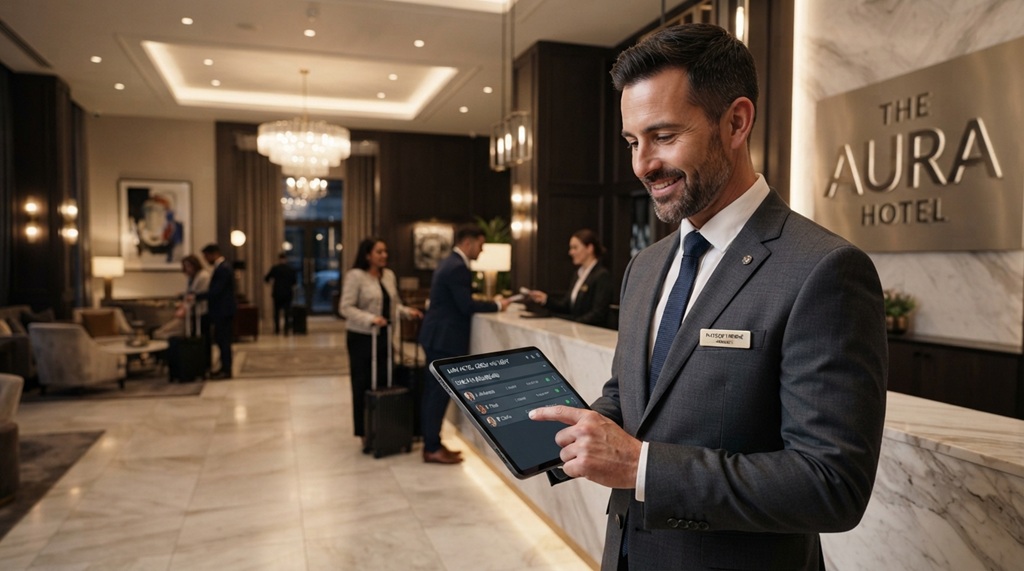
Sustainable hotel practices attract guests because more travelers now choose eco-conscious properties over traditional ones. Guests actively search for green certifications, energy-saving features, and waste-reduction programs before they book. Hotels that adopt these practices see stronger reviews, repeat bookings, and lower operating costs.
This shift isn’t just a trend. It’s a permanent change in how people choose where to stay. Hotel managers who ignore sustainability risk losing bookings to competitors who market their green initiatives well.
Below, you’ll find seven practical strategies to improve sustainability at your property. Each one includes specific actions you can implement without a massive budget or a complete property overhaul.
Reduce Energy Consumption Across Your Property
Cutting energy use lowers your operating costs and reduces your hotel’s carbon footprint at the same time. Small changes in lighting, heating, and cooling systems add up fast across a full property.
Switch to LED Lighting and Smart Controls
LED bulbs use far less electricity than traditional incandescent lighting. They also last longer, which cuts your maintenance costs. Pair LED lighting with motion sensors in hallways, stairwells, and storage areas. This ensures lights only run when someone actually needs them.
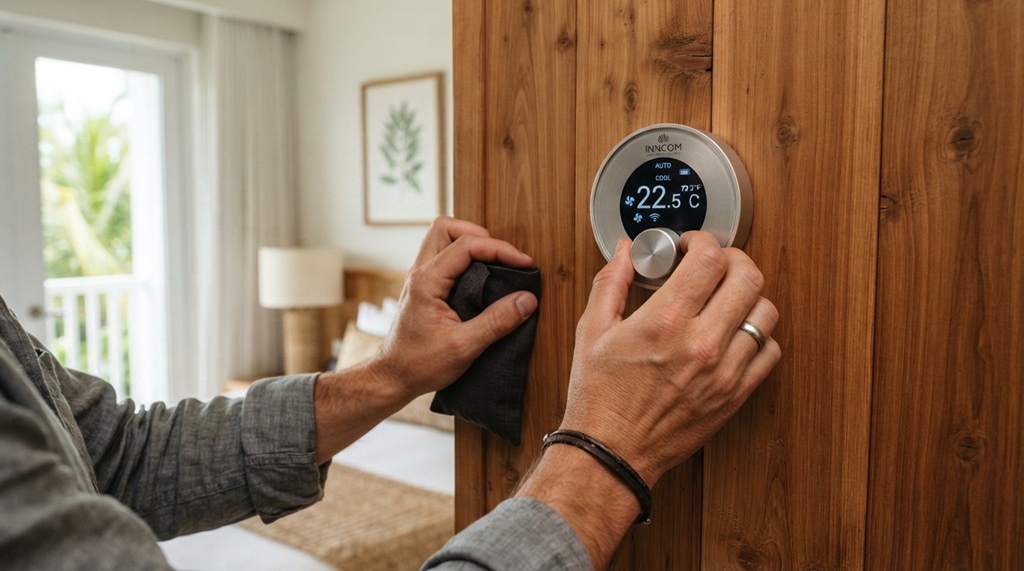
Install Smart Thermostats in Guest Rooms
Smart thermostats adjust temperature automatically based on occupancy. Many systems connect to your key card system and lower energy use the moment a guest leaves the room. Hotels that install these systems report noticeable drops in HVAC costs within the first year.
Audit Your Energy Use Regularly
Schedule quarterly energy audits to spot waste before it becomes expensive. A professional auditor can identify aging equipment, poor insulation, or inefficient systems that quietly drain your budget. Fixing these issues early prevents bigger repair costs later.
Cut Water Waste Without Sacrificing Guest Comfort
Water conservation matters just as much as energy savings, especially in regions facing drought or water restrictions. Guests notice water-saving efforts, and most don’t mind them if comfort stays intact.
Install low-flow showerheads and faucets throughout guest rooms and public restrooms. These fixtures reduce water use significantly while still delivering strong water pressure. Guests rarely notice a difference in their shower experience.
Offer a linen and towel reuse program instead of washing everything daily. Place a simple card in each room explaining the option. Most guests already do this at home, so the request feels familiar rather than inconvenient.
Fix leaks immediately. A single dripping faucet can waste thousands of gallons per year. Train housekeeping staff to report leaks the moment they spot them, and act on those reports quickly.
Eliminate Single-Use Plastics
Single-use plastics create a visible waste problem that guests notice immediately. Removing them signals genuine commitment to sustainability, not just marketing talk.
Replace Mini Toiletries with Bulk Dispensers
Wall-mounted dispensers for shampoo, conditioner, and body wash eliminate the need for small plastic bottles. Many hotel chains have already made this switch, and guests generally respond well to it.
Swap Plastic Water Bottles for Refill Stations
Install water refill stations in lobbies and hallways. Provide reusable bottles in guest rooms instead of plastic ones. This small change removes a significant amount of plastic waste from your property each month.
Rethink Food and Beverage Packaging
Switch to compostable or reusable containers for room service and breakfast buffets. Avoid plastic straws, stirrers, and cutlery unless a guest specifically requests them. These changes cost little but make a strong visual impression on eco-conscious travelers.
Source Food and Products Locally
Local sourcing reduces transportation emissions and supports the surrounding community. It also gives your hotel a genuine story to tell guests, which sets you apart from competitors who buy everything through national distributors.
Partner with nearby farms and producers for your restaurant and room service menus. Highlight these partnerships on your menu and website. Guests increasingly value knowing where their food comes from, and local sourcing often improves food quality too.
Stock guest amenities with locally made products when possible. Soaps, coffee, and snacks from regional producers give your property a distinct identity. This approach also strengthens relationships with local businesses, which can lead to referrals and community goodwill.
Building an Integrated Recycling and Composting System
Establishing an efficient waste management system is vital for diverting recyclable and compostable materials away from landfills, but its success hinges on seamless execution for both staff and guests. By placing intuitively labeled recycling bins featuring clear icon visual cues in guest rooms, hallways, and common areas, hotels eliminate sorting confusion and prevent expensive cross-contamination. Behind the scenes, implementing dedicated kitchen composting channels transforms bulk culinary organic waste into valuable resources, especially when leveraging convenient municipal pickup services. Crucially, embedding detailed sorting protocols directly into your core employee onboarding program ensures consistent operational compliance, creating an eco-conscious culture that effortlessly pairs with modern conveniences to adopt smart hotel tech for better guest stays.
Earn Recognized Green Certifications
Certifications give guests proof that your sustainability claims are real, not just marketing language. Independent verification builds trust faster than any amount of self-reported information on your website.
Popular certifications include LEED, Green Key, and EarthCheck, among others depending on your region. Each program has specific requirements around energy use, water conservation, waste management, and community impact. According to industry experts, certified properties often see improved booking rates from travelers who filter search results specifically for eco-friendly options.
The certification process takes time and documentation, but it pays off. Many booking platforms now let travelers filter results by sustainability credentials. Without a certification, your hotel may not even appear in those filtered searches, regardless of how much you’ve actually improved behind the scenes.
Market Your Sustainability Efforts Effectively
Sustainable practices only attract guests if those guests know about them. Many hotels do great environmental work but fail to communicate it clearly, which means they miss out on the bookings that work should generate.
Add a dedicated sustainability page to your website. List your specific initiatives instead of vague statements like “we care about the environment.” Guests trust specifics: mention your water-saving fixtures, your local sourcing partners, or your certification status by name.
Train front desk and reservation staff to mention sustainability features when guests ask about amenities. A guest asking about the pool or gym might also want to know about your green initiatives, but only if staff bring it up naturally during the conversation.
Use your sustainability story in email marketing and social media. Share specific numbers when you have them, such as reductions in water use or plastic waste. Concrete details always perform better than generic environmental statements.
An Overlooked Angle: Sustainability as a Staff Retention Tool
Most articles on this topic focus only on attracting guests, but sustainability also helps hotels keep good employees. Staff members, especially younger workers, increasingly want to work for companies whose values match their own. A hotel with real environmental commitments often reports lower turnover among housekeeping, maintenance, and front desk teams.
Lower turnover reduces hiring and training costs significantly. It also improves guest experience, since experienced staff generally deliver better service than newly trained replacements. When you calculate the return on your sustainability investments, factor in this retention benefit alongside guest attraction. The full financial picture often looks even stronger than the booking numbers alone suggest.
Frequently Asked Questions
Do sustainable practices actually cost more to implement?
Some upfront investments exist, such as smart thermostats or bulk dispensers. However, most properties recover these costs within one to two years through lower utility bills. Many changes, like towel reuse programs, cost almost nothing to start.
How do I know which certification is right for my hotel?
Research certifications popular in your specific region and target market. LEED works well for larger properties with new construction, while Green Key suits smaller independent hotels. Check which certifications your competitors hold and which ones your target guests search for most often.
Will guests actually pay more for a sustainable hotel stay?
Many travelers now factor sustainability into their booking decisions, and some actively seek out certified properties. Price sensitivity still varies by guest segment and destination. Sustainability tends to influence which hotel guests choose among similar options rather than how much they’re willing to spend overall.
How long does it take to see results from sustainability changes?
Cost savings from energy and water efficiency often appear within the first few months. Guest-facing benefits, like improved reviews or increased bookings, typically take six months to a year as word spreads and your marketing catches up.
What’s the easiest first step for a hotel with a limited budget?
Start with the towel and linen reuse program. It costs nothing to implement, immediately reduces water and energy use, and gives you a concrete initiative to mention in guest communications while you plan larger projects.
Conclusion
Sustainable hotel practices attract guests, cut costs, and improve staff retention all at once. Start with low-cost changes like linen reuse programs and better recycling systems. Then move toward bigger investments like smart thermostats and certifications as your budget allows.
The hotels that win in this space aren’t necessarily the ones spending the most money. They’re the ones that pick meaningful initiatives, follow through consistently, and communicate their efforts clearly to guests. Begin with one or two strategies from this list, measure the results, and expand from there.