Hotel restaurants lose profit when menu costs go unchecked. You manage them by tracking food cost percentage, pricing dishes correctly, cutting waste, and reviewing your menu often. Get these basics right, and your food and beverage outlet stops draining your hotel’s bottom line.
Most hotel F&B managers focus on room revenue and forget the restaurant sits right next door, quietly leaking money. A dish that looks profitable on paper can lose money once you factor in waste, over-portioning, and staff comps. Small leaks add up fast in a high-volume hotel kitchen.
This guide walks through practical, tested steps to control menu costs without cutting corners on guest experience. You’ll find methods you can start using this week, plus a few ideas most articles skip entirely.
Why Menu Cost Control Matters for Hotel Restaurants
Menu cost control matters because hotel restaurants often run on thin margins compared to standalone eateries. A hotel kitchen serves room service, banquets, and the in-house restaurant all at once. This mix creates cost leaks that a single-concept restaurant never sees.
Room service trays get sent back half-eaten. Banquet buffets over-produce “just in case.” A busy breakfast service tosses unused eggs and pastries at closing time. Each of these adds hidden cost that never shows up on a single dish’s food cost sheet.
Hotels that track and manage these costs closely tend to see stronger F&B profit margins, according to industry experts in hospitality finance. The restaurant stops being a cost center and starts pulling its own weight.
Calculate Your True Food Cost Percentage
Your true food cost percentage tells you exactly how much of each sales dollar goes toward ingredients. The basic formula is simple: divide your cost of goods sold by total food sales, then multiply by 100.
The Basic Formula
Cost of Goods Sold ÷ Total Food Sales x 100 = Food Cost Percentage
Most full-service hotel restaurants aim for a food cost percentage between 28% and 35%. Fine dining outlets may run higher due to premium ingredients. Quick-service hotel cafés often run lower.
Why Hotels Miscalculate This Number
Many hotels only calculate food cost using purchase invoices. This misses spoilage, staff meals, banquet transfers, and comped dishes. A more accurate picture includes every ounce of food that leaves the kitchen, not just what gets sold.
Track a separate “waste and comp” line in your reports. This single change often reveals 3-5% of hidden cost that standard reports miss completely.
Drive Profitability by Pricing Menus for Margin, Not Percentage
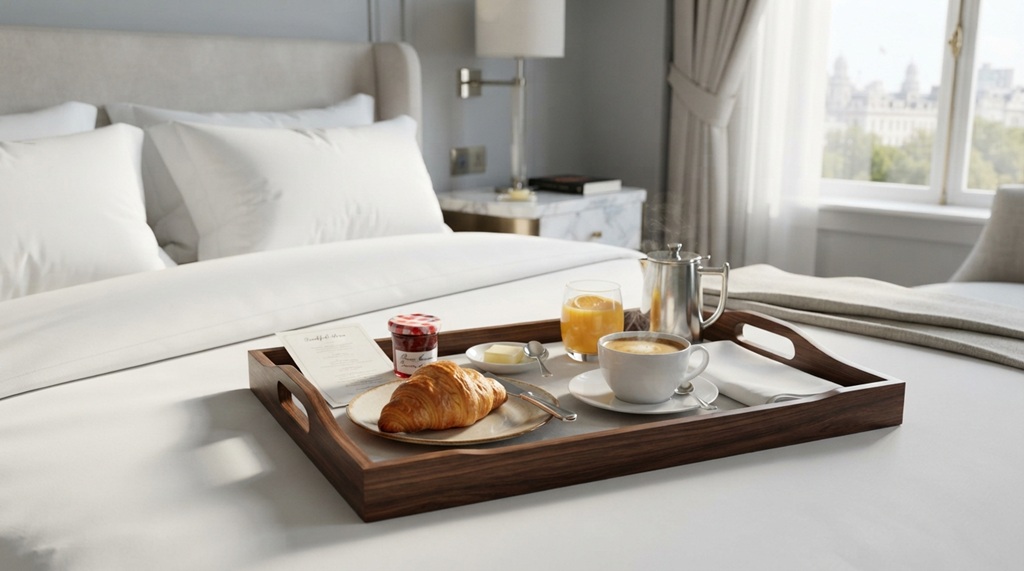
Shift your pricing strategy from arbitrary food cost percentages to dollar contribution margin to fundamentally transform your hotel restaurant’s bottom line. By focusing on the net profit dollars each plate generates rather than relying solely on cost percentages, high-margin culinary offerings naturally emerge as your strongest revenue drivers. However, capturing total food and beverage profitability requires looking beyond the dining room; seamlessly extending these precise cost-control strategies to in-room dining is equally critical. Operational excellence across all guest touchpoints ensures consistent margins, making it essential to learn upgrade hotel room service and delight guests while driving sustained revenue growth.
Why Percentage-Only Pricing Fails
A dish with 20% food cost sounds great on paper. But if it only sells for $8, you’re making just $6.40 in gross profit. Meanwhile, a steak at 35% food cost sold for $42 earns you $27.30. The steak wins, even with a “worse” percentage.
How to Apply Contribution Margin Pricing
List every dish with its food cost, selling price, and gross profit dollar amount. Rank them by dollar profit, not percentage. Push your highest-margin-dollar items through menu placement, server recommendations, and photos on the menu itself.
This method rewards dishes that actually make your hotel money, not just dishes that look efficient on a spreadsheet.
Control Portions Without Frustrating Guests
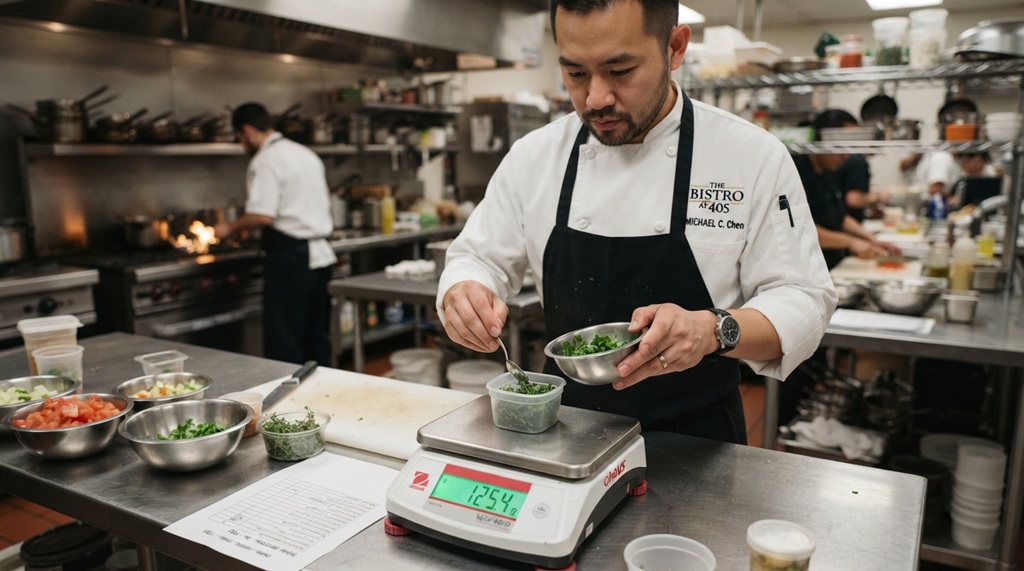
Portion control keeps food cost predictable without shrinking the guest experience. The goal is consistency, not smaller plates.
Standardize Every Recipe
Write a recipe card for every dish on the menu. Include exact weights, measurements, and plating instructions. Train every cook to follow it, every shift, every time. Inconsistent portions are one of the biggest hidden cost drains in hotel kitchens, since one chef’s “generous” scoop can cost you real money over a month of service.
Use Portion Tools, Not Guesswork
Give kitchen staff scales, portion scoops, and ladles sized to the recipe. A $15 scale pays for itself within days at a busy hotel restaurant. Guesswork is expensive, and it adds up fast across hundreds of covers a week.
Reduce Food Waste Across the Property
Reducing food waste protects your margins because wasted food is pure lost profit. It never generated a single dollar of revenue.
Track Waste by Category
Log waste daily and split it into three buckets: kitchen prep waste, spoilage, and plate waste returned from guests. This breakdown shows you exactly where the problem starts, whether it’s over-ordering, poor rotation, or oversized portions.
Rethink Banquet and Buffet Production
Buffets and banquets are often the biggest waste source in a hotel. Use guest count guarantees more strictly, and build a “reduce by 10%” test for slow-moving buffet items over 60 days. Small production cuts rarely affect guest satisfaction but noticeably affect your bottom line.
An Angle Most Articles Skip: Cross-Utilize Ingredients Across Outlets
Most hotel properties run separate purchasing and prep for the restaurant, room service, and banquets. This creates duplicate inventory and separate waste streams. Build a shared “core ingredient list” used across all three outlets. For example, the same roasted chicken used in the restaurant entrée can supply banquet sliders and a room service sandwich. This single change can cut ingredient variety by 15-20%, tighten supplier negotiating power, and shrink waste across every department at once, not just the restaurant.
Negotiate Smarter with Suppliers
Supplier negotiation directly affects your food cost percentage, often more than any kitchen change can.
Consolidate Purchasing Volume
If your restaurant, banquet department, and room service order separately, you lose bargaining power. Combine purchase orders where possible to hit volume discount thresholds with fewer vendors.
Review Contracts Every Six Months
Food prices shift constantly. A supplier deal that was competitive a year ago may now be overpriced. Set a recurring calendar reminder to request updated quotes from at least two competing vendors every six months.
Ask About Off-Peak Pricing
Some suppliers offer lower rates for deliveries during slower demand windows. Ask directly. Many hotels never ask this simple question and leave savings on the table.
Review and Refresh Your Menu Regularly
A regular menu review keeps your offerings profitable as ingredient costs and guest preferences shift over time.
Run a Menu Engineering Audit Quarterly
Sort every dish into four categories: stars (high profit, high popularity), plow-horses (low profit, high popularity), puzzles (high profit, low popularity), and dogs (low profit, low popularity). Reprice or remove the dogs. Reposition the puzzles with better menu placement or description.
Watch for Ingredient Cost Creep
A dish priced correctly six months ago may now lose money if a key ingredient rose in cost. Set a rule: any dish with an ingredient cost increase above 8% triggers an automatic price or recipe review.
Frequently Asked Questions
What is a good food cost percentage for a hotel restaurant?
Most full-service hotel restaurants target 28% to 35%. Fine dining outlets often run slightly higher due to premium ingredients, while quick-service hotel cafés usually run lower. The right number depends on your concept, location, and guest expectations.
How often should a hotel restaurant review its menu prices?
Review pricing at least quarterly, and immediately whenever a key ingredient’s cost rises sharply. Waiting a full year to adjust prices often means absorbing months of shrinking margin without realizing it.
Does portion control hurt the guest experience?
Not when done correctly. Standardized portions actually improve consistency, since guests get the same quality and quantity every visit. The problem isn’t portion control itself, it’s cutting portions too aggressively without testing guest reaction first.
How can a hotel reduce food waste from banquets and buffets?
Track waste by category, tighten guest count guarantees, and test small production cuts on slow-moving items. Buffets are typically the highest waste source in a hotel, so even small adjustments here create noticeable savings.
Should room service and restaurant menus share ingredients?
Yes, whenever possible. Sharing core ingredients across the restaurant, room service, and banquets reduces inventory complexity, strengthens supplier negotiating power, and cuts waste across the entire property, not just one outlet.
Conclusion
Managing hotel restaurant menu costs comes down to five habits: track your true food cost, price by contribution margin, control portions with tools and training, cut waste at its source, and review your menu on a set schedule. None of these require a major renovation or big budget. They require consistency.
Start with one section of this guide today. Calculate your real food cost percentage, or run a quick menu engineering audit this week. Small, steady changes compound into real profit for your hotel’s F&B department.