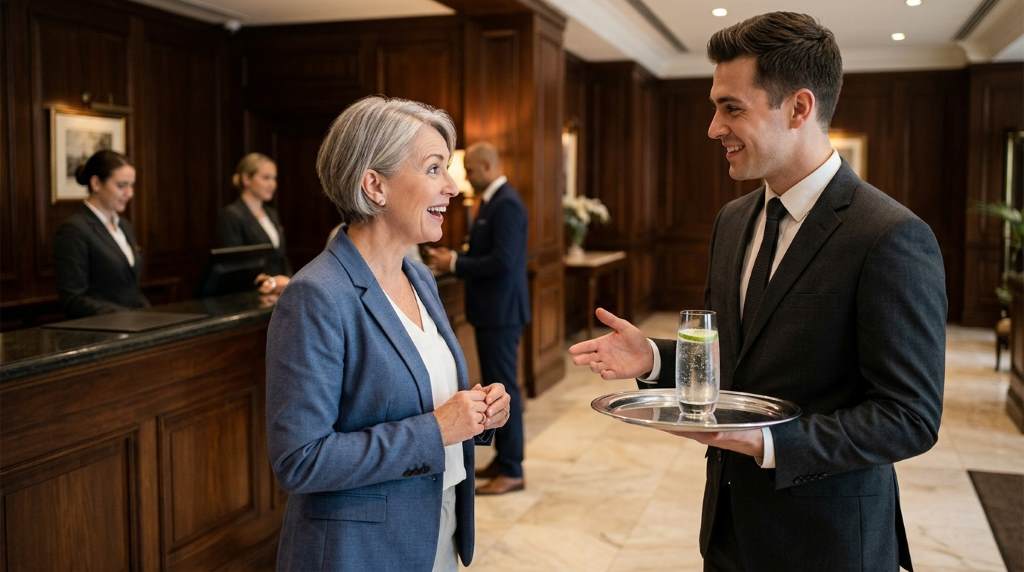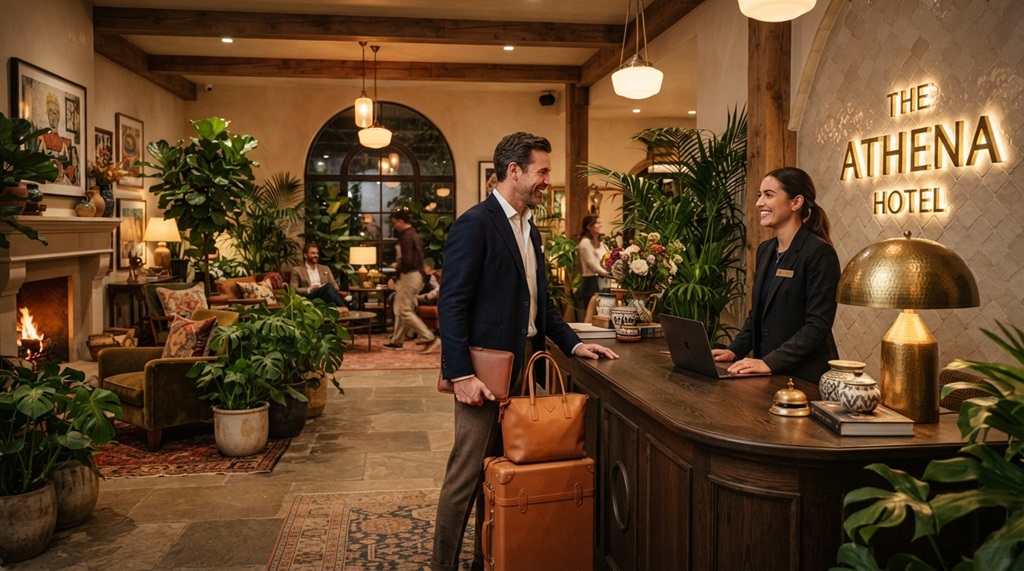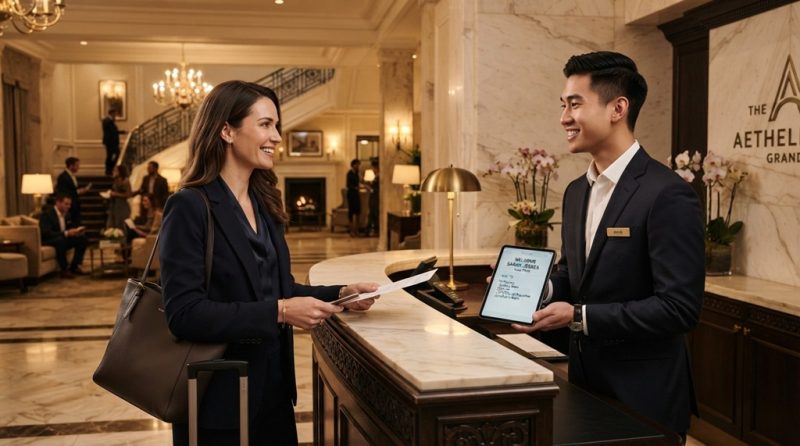
Luxury hotels build loyalty through personalization by remembering guest preferences and using that data to shape every interaction. A returning guest gets their favorite pillow type without asking. Their preferred table gets reserved before they check in. This kind of attention turns a one-time stay into a lasting relationship.
Guests today expect more than clean rooms and fast Wi-Fi. They want to feel recognized. Hotels that deliver this feeling see guests return again and again, and those guests often become the loyal base that keeps revenue steady even in slow seasons.
This article breaks down exactly how top hotels do this. You’ll see the systems, the staff training, and the small details that turn personalization into real loyalty.
Why Personalization Matters More in Luxury Hospitality
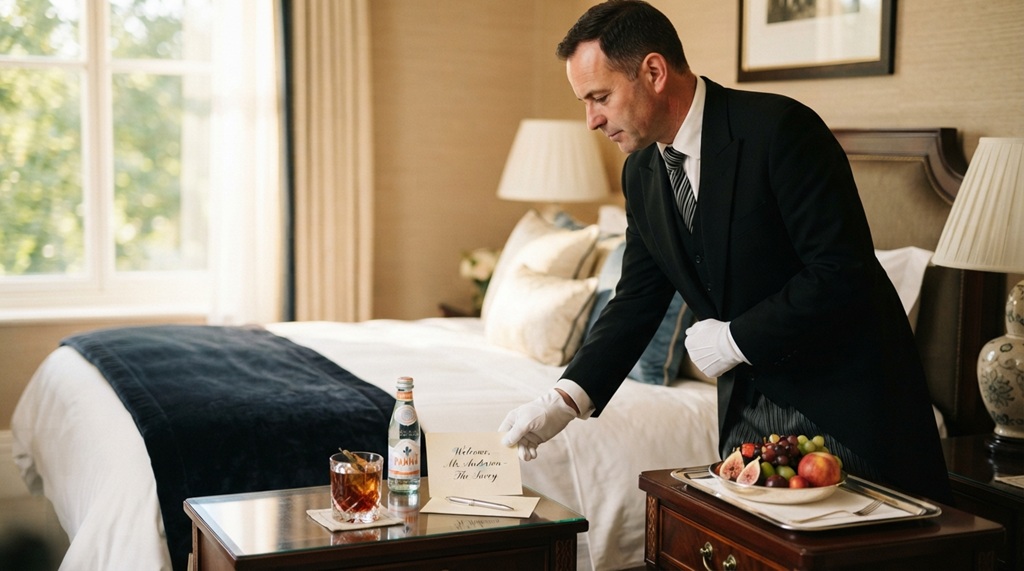
Personalization matters most in luxury hospitality because guests in this segment pay a premium for experience, not just amenities. They expect the hotel to know them.
A budget traveler picks a hotel based on price and location. A luxury guest picks based on trust. They want a property that already knows their allergies, their preferred room temperature, and whether they take their coffee black. When a hotel delivers this without being asked, it signals genuine care rather than a scripted service routine.
This expectation also raises the stakes. A missed preference at a luxury property feels like a bigger failure than the same mistake at a mid-range hotel. Guests notice, and they remember. That’s why personalization isn’t a nice extra in this space. It’s central to the brand promise.
How Guest Data Powers Personalized Experiences
Guest data is the invisible engine behind high-touch luxury hospitality, enabling hotel teams to anticipate needs long before a guest steps into the lobby. By systematically transforming raw preferences into actionable insights, properties elevate basic service into effortless, bespoke experiences eliminating reliance on guesswork. While luxury urban hotels deploy these guest profiles to cultivate lasting brand loyalty, resort properties harness similar analytical intelligence to strategically shift demand during off-peak periods; our analysis on resorts turn around low occupancy using smart data reveals how leveraging deep guest insights allows resorts to convert seasonal lulls into high-margin revenue opportunities.
Collecting the Right Data Points
Hotels gather data through booking forms, loyalty program profiles, past stay records, and direct conversations with staff. The best properties don’t stop at basic details like name and room type. They track things like preferred newspaper, pillow firmness, dietary restrictions, and even which spa treatments a guest enjoyed last time.
Front desk teams and concierge staff also play a role here. A guest mentioning they’re celebrating an anniversary during check-in should get logged, not forgotten after the conversation ends.
Turning Data Into Action
Collecting data means nothing if it stays buried in a system nobody checks. Leading hotels build guest profiles that any staff member can access instantly, whether at the front desk, in housekeeping, or at the restaurant. This way, a bartender can greet a returning guest with their usual drink order, and housekeeping can set up a room exactly as the guest likes it.
The goal is simple: every department should draw from the same guest profile, so the experience feels seamless rather than disjointed.
Technology That Enables Personalization at Scale
Technology enables personalization at scale by connecting guest data across every touchpoint in the hotel. Without the right systems, personal service only works for a small number of VIP guests.
Customer relationship management (CRM) platforms built for hospitality let staff pull up a guest’s history in seconds. Property management systems (PMS) sync this data with room assignments, so a guest’s favorite room type or floor gets flagged automatically. Some properties also use mobile apps that let guests set preferences themselves, from room temperature to check-in time, before they even arrive.
According to industry experts, hotels that integrate their CRM and PMS systems see faster, more consistent personalization across departments. This integration matters because guests often interact with multiple staff members during one stay, and each interaction should feel connected rather than isolated.
Artificial intelligence also plays a growing role. Some hotels use AI to predict what a guest might want based on past behavior, such as suggesting a spa treatment they haven’t tried but might enjoy based on similar guest patterns. This isn’t about replacing human judgment. It’s about giving staff better starting points.
Staff Training as the Foundation of Personal Service
Staff training forms the real foundation of personalized service, because no system works without people who know how to use it well.
Teaching Staff to Notice, Not Just Follow Scripts
The best luxury hotels train staff to observe guest behavior, not just follow a checklist. A guest who orders the same breakfast every morning is telling staff something without saying a word. Well-trained employees pick up on these cues and act on them naturally.
This kind of training takes time. New hires often shadow experienced staff for weeks before handling guest interactions alone. The goal isn’t memorizing scripts. It’s building instinct.
Giving Staff the Authority to Act
Personalization also requires staff to have real authority. If a guest mentions they’re feeling under the weather, a well-trained team member should be able to send up tea and honey without asking a manager first. This kind of empowered service is what separates a good hotel from a genuinely memorable one.
Hotels that restrict every decision to management create bottlenecks. By the time approval comes through, the moment to surprise the guest has passed.
Loyalty Programs Built Around Individual Preferences
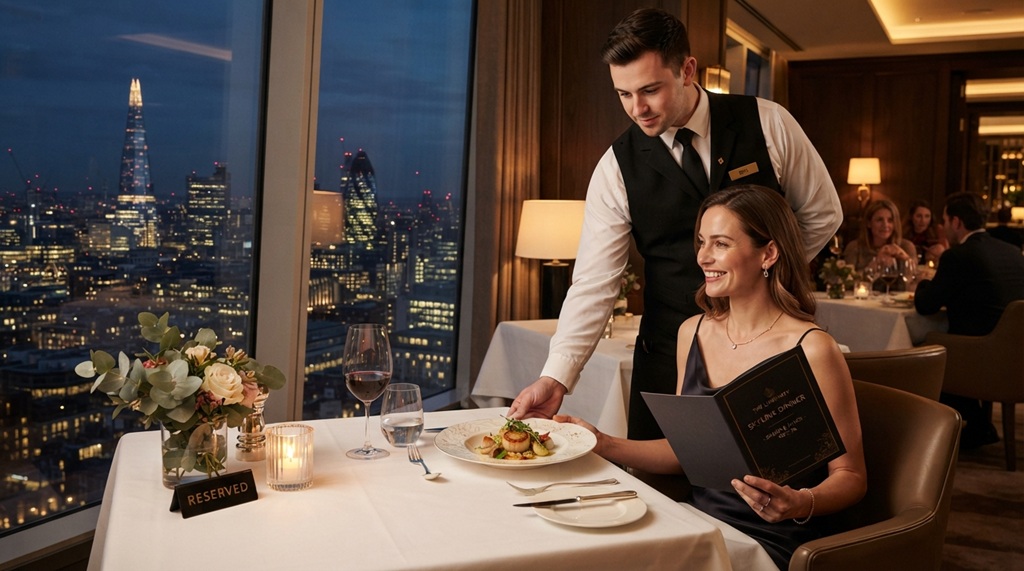
Loyalty programs built around individual preferences work better than generic point systems because they reward guests in ways that feel personal, not transactional.
Traditional loyalty programs focus on points and tier status. These still matter, but luxury hotels are layering in something deeper: rewards based on what each guest actually values. One guest might prize early check-in above everything else. Another might care more about a complimentary room upgrade or a personal note from the general manager.
Some properties now let loyalty members choose their own perks from a curated list rather than receiving the same reward as everyone else at their tier. This small shift changes how the reward feels. It stops feeling like a transaction and starts feeling like a gift chosen specifically for them.
Hotels that track redemption patterns can also learn which perks matter most to which guest segments, then refine their offerings over time. This creates a feedback loop where the loyalty program keeps improving based on real guest behavior.
Balancing Personalization With Guest Privacy
Balancing personalization with guest privacy means being transparent about what data gets collected and giving guests control over it.
Guests want to feel known, but they also don’t want to feel watched. Hotels need to walk this line carefully. The best approach involves clear communication: let guests know what information gets stored and why, and give them the option to opt out of certain data collection if they prefer.
Staff should also avoid revealing personal knowledge in ways that feel intrusive. There’s a difference between a server quietly noting a guest’s dietary restriction and a staff member loudly announcing details about a guest’s past visit in front of other guests. The first builds trust. The second can feel like a violation.
Hotels that get this balance right treat guest data with the same care they’d want for their own information. This respect becomes part of the trust that keeps guests coming back.
A Practical Angle Most Articles Miss: Personalization Recovery
Most articles on this topic focus only on getting personalization right. Few discuss what happens when it goes wrong, and that gap matters.
Even the best systems fail sometimes. A guest profile might be outdated, or a new staff member might miss a noted preference. What separates strong luxury hotels from average ones isn’t a perfect record. It’s how they recover when personalization slips.
A guest who receives the wrong room type despite requesting otherwise should get more than an apology. Staff trained to recover well might offer an unexpected upgrade or a handwritten note acknowledging the mistake. This turns a service failure into a moment that can actually strengthen loyalty, because the guest sees that the hotel takes their preferences seriously enough to make it right.
Building a simple internal process for personalization recovery, tracking what went wrong and how it got fixed, helps hotels close these gaps over time. This is a detail that separates hotels with strong loyalty numbers from those that only look good on paper.
Frequently Asked Questions
What’s the difference between customer service and personalization in luxury hotels?
Customer service means responding well to guest needs as they come up. Personalization means anticipating those needs before the guest has to ask, based on data and past behavior. Luxury hotels aim for the second because it feels more thoughtful and less reactive.
How do small luxury hotels compete with big chains on personalization?
Small hotels often have an advantage here because staff can build direct relationships with a smaller guest base. Without complex systems, they can rely more on staff memory and close attention, which can feel even more personal than a large chain’s automated approach.
Does personalization actually increase guest loyalty, or is it just a nice extra?
Industry experts generally agree that personalization drives loyalty because it builds emotional connection, not just satisfaction. A guest who feels remembered is more likely to return and to recommend the hotel to others, even if a competitor offers a lower rate.
What’s the biggest mistake hotels make with personalization?
The most common mistake is collecting guest data but failing to make it accessible across departments. A guest’s preference noted at the front desk should reach housekeeping and dining too. When data stays siloed, the personalization effort falls apart.
How much should a hotel invest in personalization technology?
This depends on the property’s size and guest volume, but even smaller investments in a shared CRM system can make a noticeable difference. The key is choosing tools that fit how the hotel already operates, rather than adding complexity for its own sake.
Conclusion
Luxury hotels build loyalty through personalization by combining guest data, smart technology, and well-trained staff who know how to use both. The hotels that do this well don’t just react to guest needs. They anticipate them, recover gracefully when something goes wrong, and respect guest privacy along the way.
None of this requires guesswork. It requires consistent systems and a genuine commitment to making each guest feel like more than a room number. That commitment is what turns a single stay into a lasting relationship, and it’s what keeps guests choosing the same hotel again and again.