Attracting Gen Z travelers to your hotel means rethinking a few core things. Your booking experience, social media presence, pricing structure, and on-property amenities all need to reflect what this generation actually values: authenticity, flexibility, and digital convenience. Gen Z is generally defined as people born between 1997 and 2012. They’re now one of the fastest-growing segments of leisure travelers, and hotels still marketing to them like Millennials or Gen X are already falling behind.
This isn’t about chasing a trend for its own sake. Gen Z travelers book differently. They research differently. They decide whether to trust a property differently than older generations did. Ignoring those differences doesn’t just mean missing out on a demographic it means losing relevance with the guests who will make up the bulk of your future revenue.
Below is a practical breakdown of what actually moves the needle with this audience, from the technology they expect to the content that convinces them to book.
Why Gen Z Travelers Matter to Your Hotel’s Future
Gen Z is entering their prime travel-spending years. Hotels that build loyalty with them now are securing decades of future revenue, not just a single booking. According to industry experts and travel research firms, Gen Z travelers tend to prioritize experiences over possessions. That translates into a willingness to spend on trips even when budgets are tight elsewhere.
This generation also travels more independently and more frequently than many assume. Solo travel is common. So are group trips with friends rather than family, and “bleisure” trips that blend business and leisure. A hotel that only markets to families or older business travelers is leaving a growing segment of demand untapped.
Just as important: Gen Z guests are vocal. They post, review, and share their experiences in real time. That means a single stay can generate far more visibility positive or negative than it would have with previous generations who traveled more privately.
Build a Digital-First Booking Experience
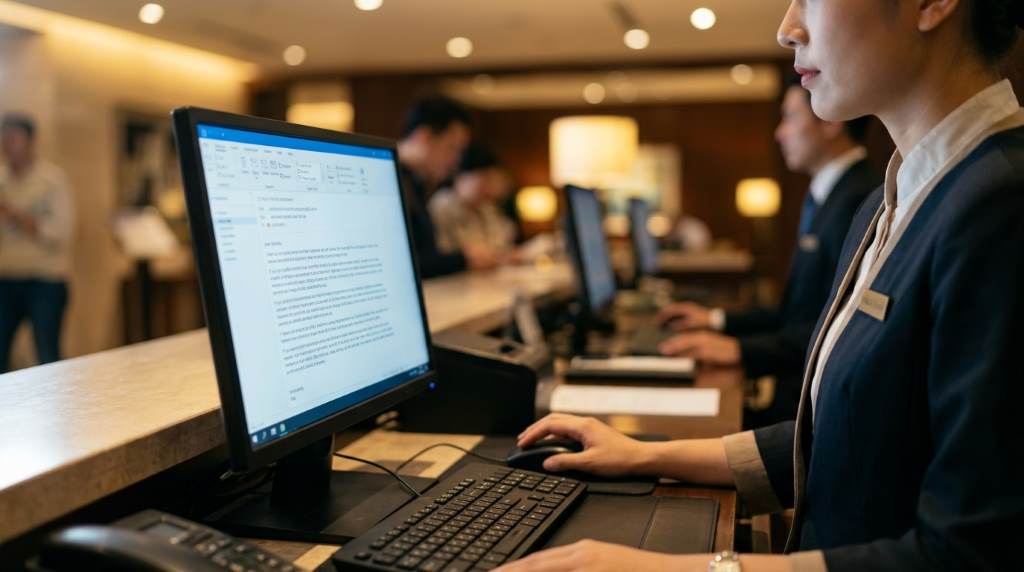
Gen Z travelers expect to research, compare, and book a hotel entirely from their phone. They rarely want to call the front desk or send an email to get a question answered. If your booking flow requires more than a few taps, or your mobile site loads slowly, you’re losing bookings before a guest even sees your rooms.
Prioritize Mobile and Speed
A slow or clunky mobile booking page is one of the fastest ways to lose a Gen Z guest. This generation expects near-instant load times from every app and website they use. Audit your booking engine specifically on mobile devices, not just desktop, and fix friction points like excessive form fields or unclear pricing.
Master the Frictionless Digital Guest Experience
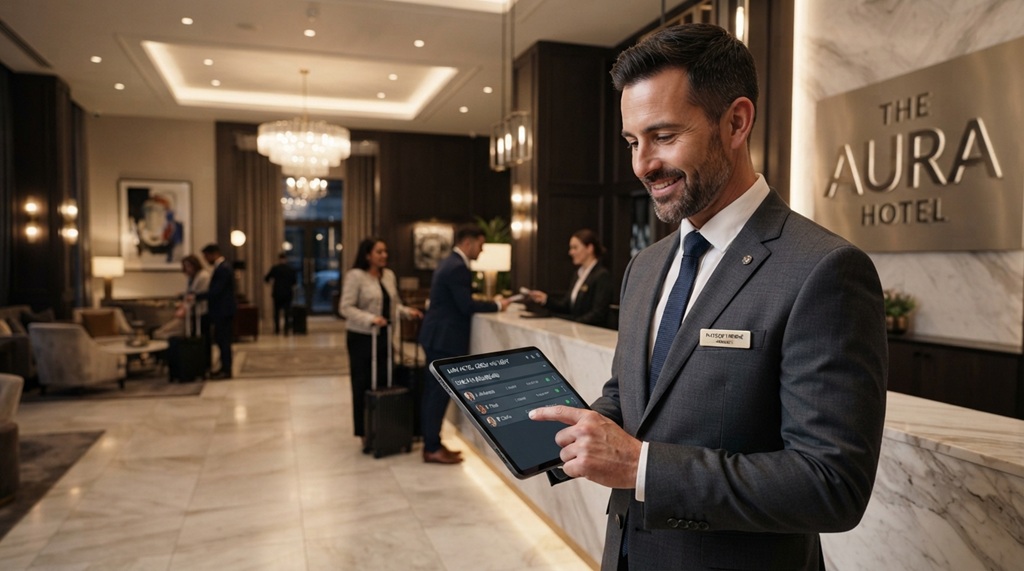
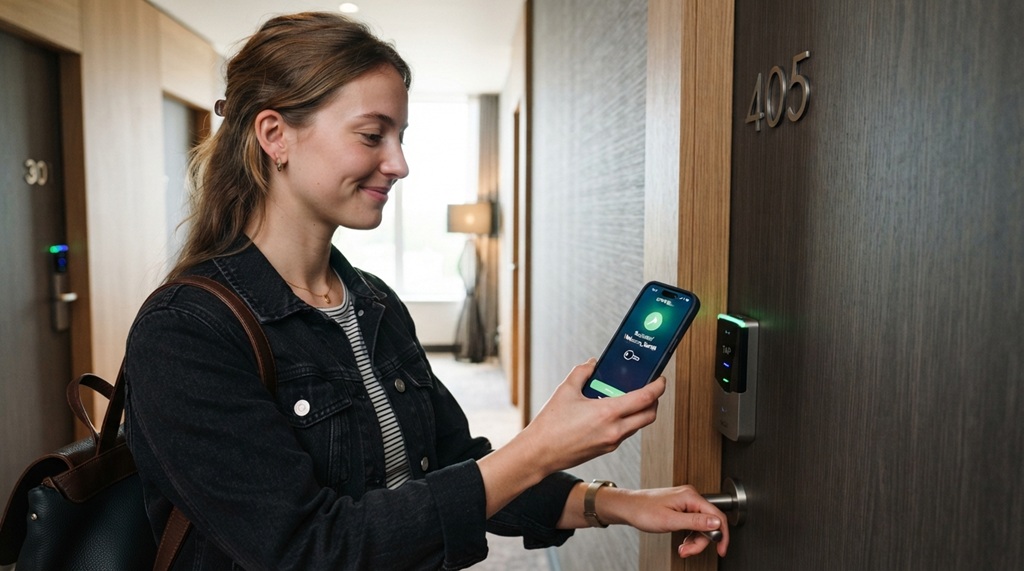
Today’s digital-native travelers value seamless autonomy, meaning self-service options like digital check-in, keyless mobile entry, and instant in-app messaging carry far more weight with Gen Z than traditional, staffed front-desk interactions. Embracing this shift does not mean eliminating your human touchpoints; rather, it empowers guests to bypass unnecessary face-to-face friction whenever they prefer a quick, self-managed resolution. Because Gen Z expects a flawless, mobile-first journey from start to finish, forward-thinking hoteliers must modernize their tech stacks and embrace predictive automation to capture attention early and for a deeper look into these evolving automated trends, changing hotel bookings.
Make Pricing Transparent Upfront
Hidden resort fees or unclear taxes that only appear at checkout create distrust. This generation grew up comparing prices across multiple apps in seconds, so they notice. Show the full price, including fees, as early in the booking flow as possible.
Show Up Authentically on Social Media
Gen Z travelers largely discover hotels through short-form video and social content, not traditional search or travel agents. Your property needs a genuine presence on platforms like Instagram and TikTok not just polished marketing photos. Overly staged or clearly scripted content tends to underperform with this audience compared to something that feels real.
Lean on Real Guest Content, Not Just Your Own
Here’s an angle many hotel marketing guides skip: user-generated content builds more trust with Gen Z than professionally produced hotel content does. Instead of only posting your own photography, actively encourage and reshare content that real guests create during their stay. A candid video of the pool, an honest room tour, or a quick clip of breakfast all work. This kind of content reads as more credible than a highlight reel from your marketing team, because it shows what the stay is actually like, not just what it’s designed to look like in an ad.
Show What Happens Behind the Scenes
Behind-the-scenes content also performs well. Try a quick video introducing your housekeeping team, showing how a room gets turned over, or featuring a chef prepping the day’s menu. This kind of content humanizes the property in a way traditional hotel marketing rarely does.
Offer Flexible, Value-Conscious Pricing
Gen Z travelers care deeply about value, but that doesn’t mean they only chase the lowest price. It means they want to clearly understand what they’re paying for and have flexibility if plans change. Rigid cancellation policies and confusing rate structures push this generation toward competitors, even when your base price is competitive.
Flexible Cancellation Matters More Than Discounts
Many Gen Z travelers will choose a slightly more expensive room with free cancellation over a cheaper non-refundable rate. Their schedules often shift due to gig work, hybrid jobs, or group plans with friends, so flexibility is genuinely valuable to them, not just a nice-to-have.
Consider Split-Stay and Group Pricing
Gen Z frequently travels in friend groups rather than as couples or families. Offering group-friendly room configurations or simple split-payment options at checkout removes a common point of friction when a group is deciding where to book.
Loyalty Programs Should Be Simple
Complicated points systems with confusing redemption rules tend to get ignored by younger travelers. If a program isn’t intuitive within the first minute, they’ll move on. A simple, clearly explained rewards structure will get more engagement than a more “generous” but confusing one.
Prioritize Sustainability and Local Authenticity
Gen Z travelers are more likely than previous generations to factor a hotel’s environmental and community impact into their booking decision, even if it’s not the single deciding factor. This doesn’t require a full sustainability overhaul overnight. It requires visible, honest effort.
Make Sustainability Efforts Visible, Not Vague
Simple changes matter when they’re communicated clearly: reducing single-use plastics, sourcing food locally, or partnering with local tour operators instead of generic third-party excursion providers. What matters most is that these efforts are genuine, not vague marketing claims. Gen Z is particularly skeptical of “greenwashing,” where sustainability claims aren’t backed by real action.
Highlight What Makes Your Property Local
Local authenticity plays a similar role. Gen Z travelers frequently say they want to experience a destination like a local, not like a tourist. Highlighting real neighborhood recommendations, local artist partnerships, or regional design touches can differentiate your property from a generic chain experience, even if you are part of a chain.
Design Spaces for Content and Connection
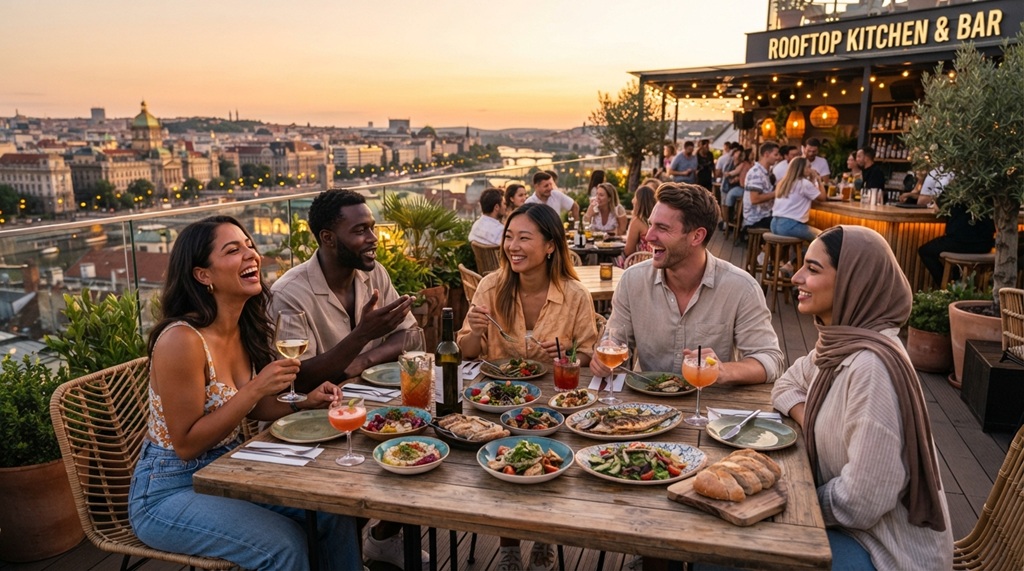
Gen Z travelers often choose a hotel partly based on whether it offers a space worth photographing, or an environment that encourages meeting other travelers. A comfortable room alone isn’t always enough. This is especially true for boutique and lifestyle properties, but it applies to any hotel type.
Create Shareable Common Areas
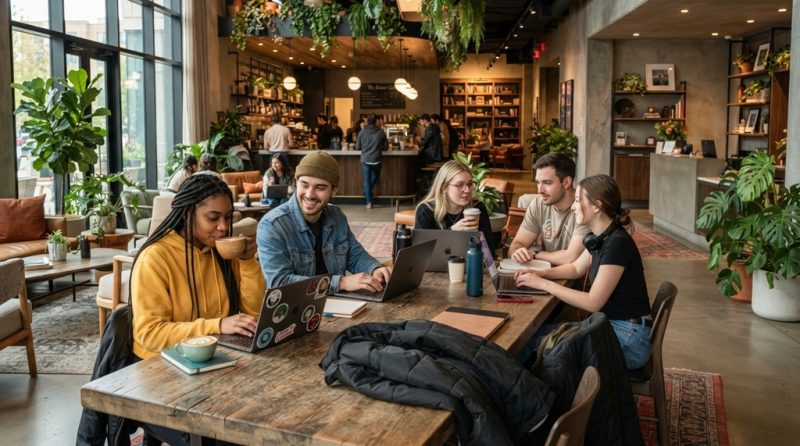
A well-designed lobby, rooftop, or common area that doubles as a social space can outperform an extra amenity like a business center for this audience. Co-working-friendly seating, communal tables, and simple design choices like good natural lighting or an interesting mural all help. They make your property more shareable and more appealing to a generation that treats a hotel stay as part of the overall trip experience, not just a place to sleep.
Small Updates Can Still Make a Difference
You don’t need to turn your hotel into a design showpiece. Even modest, low-cost updates help better lighting, a curated playlist in common areas, or a small local art display. These small touches can meaningfully shift how a space feels to a younger guest.
Train Staff to Communicate the Way Gen Z Expects
Gen Z travelers generally prefer quick, casual, text-based communication over phone calls. Offering chat-based support through your website, app, or messaging platforms meets them where they already are. This applies before, during, and after the stay.
Keep the Tone Warm, Not Scripted
Staff tone matters too. A front desk or support team that communicates in a warm, conversational way tends to build more trust with younger guests than one that sounds scripted or overly formal. This doesn’t mean lowering professionalism. It means avoiding language that feels stiff or corporate when a simple, friendly response would serve the guest better.
Prioritize Response Speed
Response speed is arguably more important than the channel itself. If a guest messages your hotel through Instagram or an app and doesn’t hear back within a reasonable window, they’re likely to book elsewhere. Fast responses are the baseline expectation for a generation raised on instant messaging.
Frequently Asked Questions
Does attracting Gen Z travelers mean my hotel has to lower its prices?
No. Gen Z travelers care more about clear, honest pricing and flexibility than about having the cheapest rate available. A fairly priced room with transparent fees and a flexible cancellation policy will often win over a guest before a slightly cheaper but rigid or fee-heavy option does.
Do I need to be active on TikTok specifically, or is Instagram enough?
Both platforms matter, but they serve slightly different purposes. Instagram tends to work well for polished property content and Stories, while TikTok favors short, authentic, less-produced video. Start with whichever platform your team can realistically maintain consistently, since irregular posting hurts more than picking just one platform.
How important is sustainability really, compared to price and location?
Price and location still tend to be the primary deciding factors for most travelers, including Gen Z. But sustainability and authenticity can act as a tiebreaker between similar options. It’s rarely the single reason someone books, though it can meaningfully influence the decision when other factors are close.
Should independent or boutique hotels worry about competing with big chains for Gen Z guests?
Independent and boutique properties often have a natural advantage here. Gen Z travelers frequently favor unique, local-feeling stays over standardized chain experiences. Leaning into authentic local character, rather than trying to mimic a big chain’s amenities, tends to resonate more with this audience.
What’s the single highest-impact change a hotel can make to attract more Gen Z guests?
If forced to prioritize one area, improving the mobile booking experience typically has the broadest impact. A frustrating or slow booking process loses guests before any other strategy social content, pricing, or amenities even gets the chance to work. Fix the path to booking first, then build outward from there.
Conclusion
Attracting Gen Z travelers to your hotel isn’t about chasing every new trend. It’s about removing friction from the booking experience, communicating honestly, and showing genuine character rather than generic polish. A mobile-first booking flow, authentic social content, flexible pricing, and real sustainability efforts will do more for your Gen Z bookings than any single flashy campaign. Start with the changes that are realistic for your property size and team, and build from there as you see what resonates with the guests actually walking through your doors.