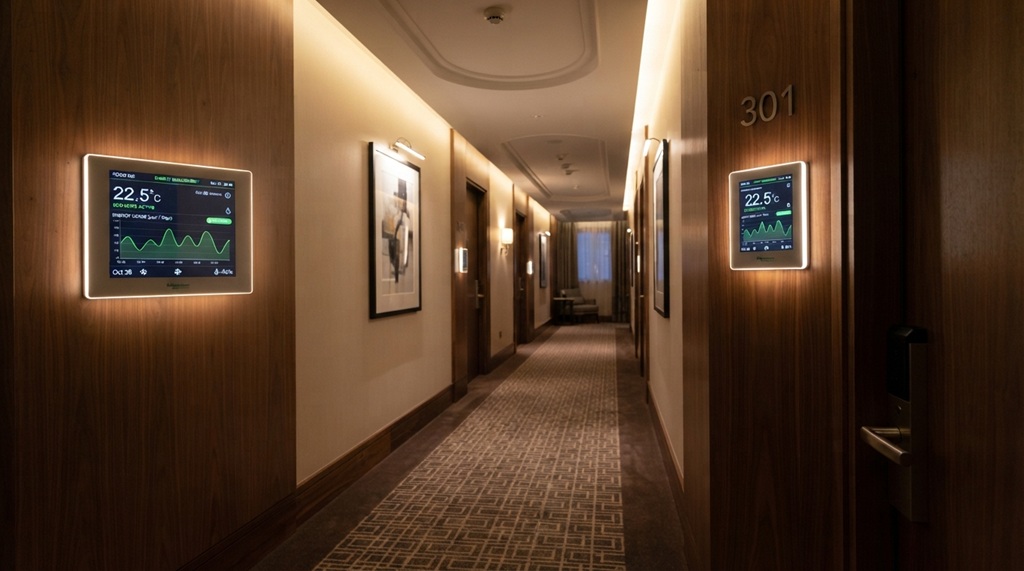
Travelers across the United States book millions of accommodation stays every year. According to recent hospitality industry reports, the U.S. lodging industry records over one billion room nights annually. However, many travelers still ask one common question: what is the difference between a hotel and a motel? Understanding this distinction can help you save money, choose better accommodations, and improve your overall travel experience. While both options provide temporary lodging, they differ significantly in design, services, location, pricing, and guest experience. This guide explains everything you need to know before making your next reservation.
Understanding the Basic Difference Between a Hotel and a Motel
The primary difference between a hotel and a motel lies in their purpose and layout. Hotels typically serve travelers seeking comfort, amenities, and extended services. Motels mainly cater to motorists looking for convenient and affordable overnight stays.
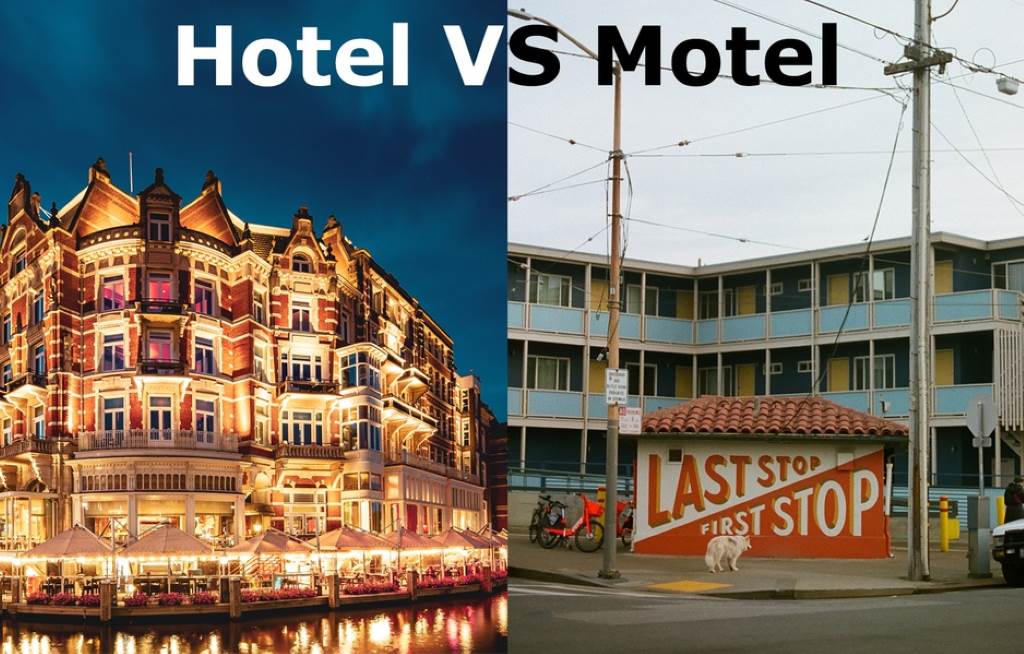
Historically, motels emerged during the rise of automobile travel in the United States. Meanwhile, hotels developed as full-service accommodation establishments offering broader hospitality experiences. Today, both continue serving distinct traveler needs.
Technology also shapes the hospitality sector significantly. Many businesses now use artificial intelligence tools, and AI changing hotel bookings continues transforming how travelers search and reserve accommodations.
What Is a Hotel?
A hotel is a commercial lodging establishment that provides rooms, services, and amenities for travelers. Hotels generally operate in cities, tourist destinations, airports, and business districts.
Hotels vary greatly in size and category. Some properties offer basic accommodation, while luxury hotels provide premium experiences and personalized services.
Common Features of Hotels
Hotels typically include numerous facilities designed to improve guest comfort. These features often justify higher room rates.
- Multiple room categories
- Front desk service available around the clock
- Housekeeping services
- Restaurants and bars
- Fitness centers
- Swimming pools
- Conference facilities
- Room service options
- Business centers
- Concierge services
Additionally, many hotels focus heavily on guest experience, convenience, and hospitality standards. Therefore, they appeal to vacationers, business travelers, and families.
What Is a Motel?
A motel, short for “motor hotel,” is a roadside accommodation designed primarily for motorists. Motels emphasize convenience, accessibility, and affordability.
Unlike hotels, motels usually feature exterior room entrances and parking spaces located directly outside guest rooms. This layout allows travelers to park and access rooms quickly.
The hospitality industry also analyzes operational costs carefully because profitability remains essential. Understanding how businesses calculate food costs hotel operations helps explain why service offerings differ between hotels and motels.
Common Features of Motels
Motels prioritize practicality rather than luxury. Their facilities generally remain straightforward and budget friendly.
- Direct room parking access
- Exterior room entrances
- Limited amenities
- Lower room rates
- Short-term stays
- Roadside locations
- Basic housekeeping services
- Simple check-in procedures
As a result, motels remain popular among road trippers, truck drivers, and budget-conscious travelers.
Key Differences Between Hotels and Motels
Although hotels and motels both provide accommodation, several important distinctions separate them. Understanding these differences helps travelers make informed decisions.
Hospitality businesses also differentiate themselves through food services. Many establishments carefully select types menus good hotel operations require to improve guest satisfaction.
1. Location
Hotels typically operate in urban centers, airports, tourist destinations, and commercial districts. Their locations target travelers seeking convenience and access to attractions.
Motels usually appear along highways, major roads, and suburban areas. Their positioning primarily serves travelers driving long distances.
2. Building Design
Hotels commonly feature multi-story buildings with interior corridors. Guests access rooms through enclosed hallways and elevators.
Motels generally use one or two-story structures with exterior entrances. This design simplifies parking and room access.
3. Amenities
Hotels provide extensive services and recreational facilities. Guests often enjoy restaurants, pools, gyms, spas, and meeting spaces.
Motels offer fewer amenities because they prioritize affordability and convenience. Basic accommodations remain their primary focus.
4. Pricing
Hotel prices vary considerably depending on location, brand, and amenities. Luxury properties often charge substantially higher rates.
Motels usually maintain lower prices because operating costs and service levels remain limited. Therefore, they attract budget travelers.
5. Length of Stay
Hotels accommodate both short-term and extended stays. Business travelers and vacationers frequently book hotels for multiple nights.
Motels primarily target overnight guests and travelers making brief stops during long journeys.
6. Customer Experience
Hotels emphasize guest satisfaction through personalized service and comfort. Their staff often provide concierge support and specialized assistance.
Motels focus on efficiency and practicality. Guests usually expect simple accommodations without additional services.
Hotel vs Motel: Quick Comparison Table
| Feature | Hotel | Motel |
|---|---|---|
| Location | Cities and tourist areas | Highways and roadsides |
| Building Style | Interior corridors | Exterior entrances |
| Amenities | Extensive | Limited |
| Pricing | Moderate to expensive | Budget friendly |
| Parking | Separate parking areas | Parking near rooms |
| Length of Stay | Short and extended | Mostly overnight |
| Services | Comprehensive | Basic |
When Should You Choose a Hotel?
Hotels represent the better option when comfort, amenities, and convenience matter most. They provide a complete hospitality experience.
You should choose a hotel if you plan to stay several nights, attend business meetings, travel with family, or seek recreational facilities.
Hotels also work well for vacations because they offer dining options, entertainment services, and premium accommodations.
When Should You Choose a Motel?
Motels become the better choice when affordability and convenience take priority. They allow travelers to rest quickly during long journeys.
You should consider a motel if you need overnight accommodation, travel by car, or want to minimize lodging expenses.
Many road travelers throughout the United States continue choosing motels because of their accessibility and straightforward services.
Are Motels Less Safe Than Hotels?
Safety depends more on management quality and location than on property type. Both hotels and motels can provide secure accommodations.
Before booking, travelers should review recent customer feedback, security features, and neighborhood conditions. Reading verified reviews often helps identify reliable properties.
Additionally, checking for security cameras, front desk availability, and electronic room access systems can improve safety decisions.
How Has Modern Travel Changed Hotels and Motels?
The distinction between hotels and motels continues evolving. Many modern motels now offer upgraded rooms, smart technology, and improved amenities.
Similarly, budget hotels increasingly compete with traditional motels through affordable pricing and convenient locations. Consequently, travelers now enjoy more accommodation options than ever before.
Online booking platforms, customer reviews, and mobile technology have also transformed how Americans choose lodging accommodations.
Final Thoughts
Understanding what is the difference between a hotel and a motel helps travelers select accommodations that match their budget, comfort preferences, and travel goals.
Hotels provide comprehensive services, premium amenities, and enhanced guest experiences. Motels offer affordable, convenient lodging designed primarily for motorists and short-term travelers.
Before your next trip in the United States, compare location, amenities, pricing, and travel needs carefully. Making an informed decision can significantly improve your overall travel experience.
Frequently Asked Questions
Is a motel cheaper than a hotel?
Yes, motels usually cost less because they provide fewer amenities and services.
Can families stay in motels?
Yes, many motels accommodate families, although facilities may be limited.
Why are motels located near highways?
Motels were specifically designed to serve travelers driving long distances.
Do hotels always have restaurants?
No, although many hotels offer dining facilities, not every hotel includes restaurants.
Are modern motels similar to hotels?
Some modern motels offer upgraded amenities, but they still prioritize convenience and affordability.