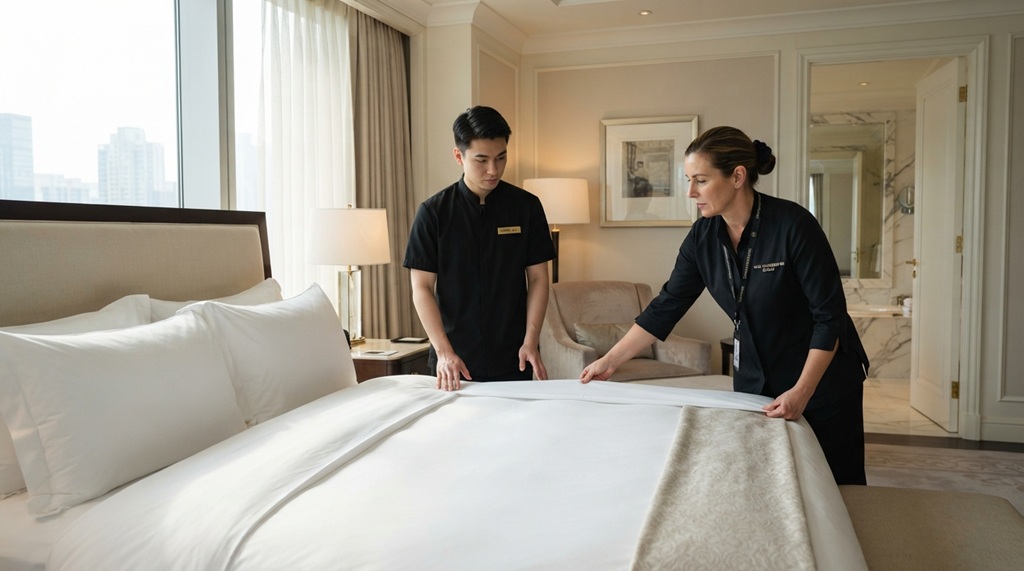
Strong hotel leadership teams don’t happen by accident. You build them by hiring the right people, training them well, and giving them a clear purpose. When leaders inspire their teams, staff stay longer, guests notice the difference, and the whole property runs smoother.
This guide breaks down exactly how to build that kind of leadership team. You’ll find practical steps you can start using this week, not just theory.
Every tip here comes from real hospitality practices. No fluff. Just what works.
Why Hotel Leadership Quality Directly Affects Guest Experience
Guests feel the energy of a hotel within minutes of walking in. That energy starts with leadership.
A well-led team moves with purpose. Staff members greet guests warmly. They solve problems fast. They anticipate needs before guests even ask. None of this happens by luck. It happens because managers model the right behavior every single day.
Poor leadership creates the opposite effect. Staff feel unsure of expectations. Mistakes go uncorrected. Morale drops. Guests pick up on all of it, even if they can’t name exactly what feels off.
According to industry experts, employee engagement is one of the strongest predictors of guest satisfaction scores in hospitality. Engaged staff try harder. They care more. And that care shows up in every guest interaction, from check-in to checkout.
How to Identify and Develop Leadership Talent Within Your Hotel
The best hotel leaders often start on the front lines. Look inside your own property before you look outside it.
Spot the Signs of Natural Leadership
Watch how staff handle pressure. Do they stay calm during a rush? Do coworkers naturally ask them for help? These are early signs of leadership potential.
Pay attention to communication style too. Strong future leaders explain things clearly. They listen before they respond. They take ownership of mistakes instead of blaming others.
Create a Clear Path for Growth
Talented staff leave when they see no future at your property. Build a simple promotion path so people know what’s possible.
Offer shadowing opportunities. Let a front desk agent sit in on a management meeting. Let a housekeeping supervisor learn budgeting basics. Small exposure like this builds confidence and skill over time.
Invest in Formal Training Programs
Natural talent needs structure to grow. Pair it with formal training.
Consider certificate programs through hospitality schools or associations like the American Hotel & Lodging Educational Institute. Internal mentorship programs work well too, especially when paired with real responsibility, not just shadowing.
What Skills Every Hotel Leader Needs to Inspire Their Team
Inspiring leadership comes down to a few core skills. Miss one, and the whole team feels it. Learn how to train front line hospitality staff for 5-star service to support your leadership strategy.
Clear and Honest Communication
Staff trust leaders who tell them the truth, even when it’s uncomfortable. Vague instructions create confusion and mistakes.
Set clear expectations from day one. Explain the “why” behind decisions, not just the “what.” This builds trust fast.
Emotional Intelligence
Hotels run on people, and people have bad days. Leaders who notice when someone is struggling, and respond with empathy, build loyalty.
This doesn’t mean lowering standards. It means understanding the person behind the role.
Decisiveness Under Pressure
Hotels face constant small crises: overbookings, maintenance issues, upset guests. Leaders who freeze during these moments lose staff confidence quickly.
Train leaders to make fast, calm decisions. Even an imperfect quick decision often beats a slow, perfect one in a live guest situation.
Consistency
Staff need to know what to expect from their leader every day, not just on good days. Consistent leaders build teams that feel safe taking initiative.
How to Build Trust Between Hotel Leaders and Frontline Staff
Trust forms through small, repeated actions, not one big speech. It takes time, but it’s worth building.
Start with visibility. Leaders who spend time on the floor, not just in the office, understand real problems. Staff notice when a manager shows up during a tough shift instead of hiding behind a desk.
Follow through on promises. If a leader says they’ll fix a scheduling issue, they need to actually fix it. Broken promises destroy trust faster than almost anything else.
Give credit publicly and correct mistakes privately. This one habit alone changes how staff feel about leadership. Nobody wants to be embarrassed in front of coworkers, but everyone wants their good work noticed.
Ask for feedback and actually use it. Run short, regular check-ins where staff can raise concerns without fear. Then act on what you hear. Silence after feedback sessions teaches staff that speaking up doesn’t matter.
How to Reduce Turnover Through Better Leadership Practices

High turnover in hospitality often traces back to leadership gaps, not pay alone. Fixing leadership fixes a lot of the turnover problem.
Recognize Effort, Not Just Results
Staff who feel invisible tend to leave. A quick “thank you” after a hard shift costs nothing but means a lot.
Build small recognition habits into daily operations. A shoutout during a shift handover. A note on a schedule. These small gestures add up over months.
Match Workload to Staffing Levels
Overworked teams burn out fast, no matter how inspiring the leader is. Leaders need to advocate for proper staffing, not just push teams to work harder.
Support Work-Life Balance
Hospitality schedules are demanding by nature. Leaders who respect time-off requests and avoid last-minute schedule changes build more loyal teams.
According to industry experts, hotels with strong internal leadership development programs report lower turnover than those without any structured leadership path.
How to Align Leadership Teams Around a Shared Vision
A leadership team that isn’t aligned sends mixed signals to staff. This confuses everyone and slows decisions down.
Hold regular leadership meetings focused on more than logistics. Talk about the property’s goals, not just today’s checklist. When department heads understand the bigger picture, they make better decisions on their own.
Create shared standards across departments. Front desk, housekeeping, and food and beverage leaders should agree on core guest experience priorities together. Disconnected departments create disconnected guest experiences.
Revisit the vision regularly, not just once a year. Priorities shift with seasons, market conditions, and guest expectations. A leadership team that checks in often stays aligned naturally.
FAQ
What is the biggest mistake hotel managers make when building leadership teams?
The biggest mistake is promoting people based only on tenure or technical skill, without checking for real leadership ability. Someone can be excellent at their job but struggle to lead others. Look for communication skills and emotional intelligence, not just experience.
How long does it take to build a strong hotel leadership culture?
Most hotels see noticeable culture shifts within six to twelve months of consistent effort. Real trust and habits take longer, often one to two years, to fully take root. Consistency matters more than speed.
Can small, independent hotels build strong leadership teams without big budgets?
Yes, absolutely. Leadership development relies more on consistent habits, like feedback and recognition, than on expensive programs. Free or low-cost mentorship and shadowing opportunities work well for smaller properties.
How do you measure whether hotel leadership is actually improving?
Track employee turnover rates, staff engagement survey scores, and guest satisfaction ratings over time. Improvements in these numbers usually signal that leadership changes are working. Exit interviews also reveal a lot about leadership gaps.
Should hotel leaders come from within the property or be hired externally?
Both approaches work, depending on the situation. Internal promotions boost morale and preserve institutional knowledge. External hires bring fresh perspective, which helps when a property needs real cultural change.
Conclusion
Building a strong hotel leadership team takes intention, not luck. Start by spotting leadership potential early, then invest in real training and clear communication. Trust builds through consistent, small actions, not big speeches.
Focus on recognition, fair workloads, and shared vision across departments. Do this well, and turnover drops, guest satisfaction rises, and your whole property runs with more energy.
Strong leadership isn’t a one-time project. It’s a daily habit worth building.