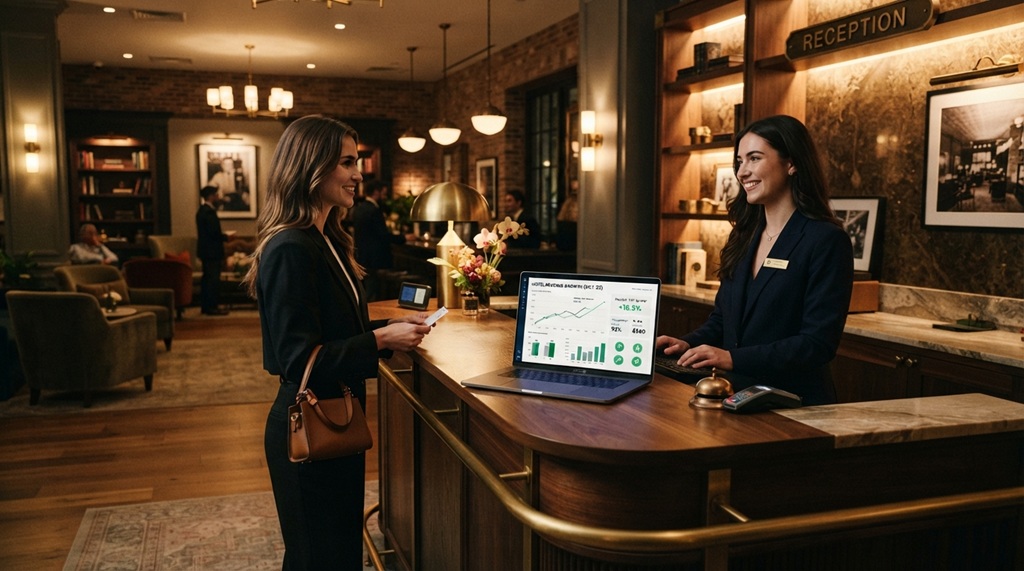
You can reduce hotel operational expenses without cutting quality. The key is to target waste, not service. Smart hoteliers focus on energy use, staffing efficiency, procurement, and technology instead of trimming the guest experience.
Many hotel managers assume cost-cutting always means fewer amenities or thinner staff schedules. That assumption costs hotels loyal guests and repeat bookings. The better approach looks at operational fat, not guest-facing muscle.
This guide breaks down where hotels actually lose money, and how to fix it. Each section stands on its own, so you can jump straight to the area that matters most for your property.
Audit Your Energy Consumption First
Energy costs eat up a large share of hotel operating budgets, and most properties waste more than they realize. Utilities often rank among the top three expenses for hotels, according to industry experts in hospitality operations. Before you touch staffing or service levels, look here first.
Where Hotels Waste Energy Without Noticing
Empty rooms often run HVAC systems at full guest-occupied settings. Hallway and back-of-house lighting frequently stays on 24/7, even in low-traffic zones. Old boilers and chillers consume far more power than modern, high-efficiency units.
Practical Fixes That Don’t Affect Guest Comfort
Install occupancy sensors that adjust temperature when guests leave the room. Guests still return to a comfortable space, but the system stops heating or cooling empty air. Switch to LED lighting throughout the property. LEDs use a fraction of the energy and last much longer than traditional bulbs.
Smart thermostats connected to your property management system can also flag inefficiencies automatically. Many hotels recover their investment in these upgrades within two to three years through lower utility bills.
Rethink Staffing Without Weakening Service
Labor typically represents the single largest cost center in hotel operations. Cutting staff carelessly damages guest satisfaction fast. The goal instead is matching staffing levels to actual demand patterns.
Use Data to Predict Busy and Slow Periods
Review your booking history to identify predictable occupancy patterns by day of week and season. Schedule housekeeping, front desk, and food service staff around these patterns instead of using flat shift schedules. This prevents overstaffing during slow periods and understaffing during rushes.
Cross-Train Employees for Flexibility
Train front desk staff to help with light concierge duties during quiet hours. Teach housekeeping supervisors to assist with inventory management. Cross-trained employees give you scheduling flexibility without needing to hire additional part-time workers.
This approach protects service quality because guests still interact with capable, attentive staff. You simply deploy the same talented team more efficiently.
Negotiate Smarter With Vendors and Suppliers
Hotels often overpay suppliers simply because contracts renew automatically year after year. A regular vendor review can uncover significant savings. Start by auditing every recurring contract, from linen services to food suppliers to maintenance providers.
Request updated quotes from at least two competing vendors before any contract renewal. Even loyal, long-term suppliers often match a competitor’s price when asked directly. Bundle purchases across multiple properties if you manage more than one hotel, since bulk buying power reduces per-unit costs.
Also review payment terms. Some suppliers offer discounts of two to three percent for early payment. Small savings like this add up significantly across a full year of invoices.
Optimizing Food & Beverage Yield
Food and beverage waste represents a silent, significant drain on hotel profitability across restaurant dining, in-room amenities, and large-scale banquet operations. Modern luxury kitchens that rigorously audit waste streams consistently discover that a substantial portion of loss stems from imprecise inventory forecasting and uncalibrated portioning rather than unavoidable prep scrap. By implementing precision purchasing controls and adjusting yields to reflect real-time occupancy data, properties can drastically reduce food costs while keeping culinary standards uncompromised; for a broader look at balancing budget discipline with exceptional service, see our guide on improve hotel guest satisfaction scores fast.
Track What Gets Thrown Away
Keep a simple waste log for one month. Record what gets discarded, how much, and why. Patterns usually emerge quickly, such as over-preparing breakfast buffet items that rarely sell out.
Adjust Ordering and Portions Based on Real Data
Use the waste log to right-size your ordering quantities. Smaller, more frequent deliveries reduce spoilage compared to large weekly orders. Portion control on plated dishes also reduces waste without shrinking what guests actually eat, since most diners don’t finish oversized portions anyway.
Donating safely prepared surplus food to local shelters, where regulations allow, can also reduce waste-related costs while supporting community goodwill.
Invest in Technology That Pays for Itself
Automation reduces operational costs while often improving the guest experience rather than hurting it. Many hotel managers avoid new technology because of upfront cost, but the right tools shorten payback periods quickly.
Automate Repetitive Front Office Tasks
Self-service check-in kiosks and mobile check-in reduce front desk workload during peak arrival times. This frees staff to handle guest requests that actually need a human touch. Automated billing systems also reduce accounting errors and the staff time spent fixing them.
Use Property Management Software to Spot Inefficiencies
Modern property management systems track occupancy, housekeeping speed, and maintenance requests in one dashboard. This visibility helps managers catch problems, like a housekeeping team falling behind schedule, before they become expensive.
Many of these systems pay for themselves within a year through labor savings and fewer billing disputes.
Extend the Life of Existing Assets

Replacing furniture, fixtures, and equipment too often drains capital unnecessarily. A structured maintenance program extends asset life significantly and delays expensive replacement cycles. Preventive maintenance costs far less than emergency repairs or premature replacement.
Create a maintenance schedule for HVAC systems, elevators, and kitchen equipment. Regular servicing catches small issues before they become costly breakdowns. Train housekeeping staff to spot early signs of furniture wear, plumbing leaks, or fixture damage during daily cleaning.
This proactive approach costs less than reactive repairs and keeps guest-facing areas looking fresh longer, which protects both your budget and your reputation.
Rethink Marketing Spend for Better ROI
Marketing budgets often get cut first during cost-reduction efforts, but blind cuts can hurt occupancy rates. The smarter move is redirecting spend toward channels that actually convert, not eliminating marketing altogether.
Review your booking sources over the past year. Identify which channels bring direct, repeat, or high-value bookings versus which ones only generate low-margin traffic. Shift budget away from underperforming channels and toward direct booking incentives, email marketing to past guests, and search engine optimization.
Direct bookings avoid the significant commission fees charged by third-party booking platforms. Even a small shift toward direct bookings can meaningfully improve net revenue without increasing total marketing spend.
Frequently Asked Questions
What is the biggest operational expense for most hotels?
Labor costs typically represent the largest single expense category for most hotels. Utilities and food and beverage costs usually rank next. Because labor costs are so significant, small improvements in scheduling efficiency often produce the biggest savings.
How can a small hotel reduce costs without a big budget?
Small hotels can start with low-cost changes like LED lighting, staff cross-training, and vendor contract reviews. These changes require little upfront investment but can produce measurable savings within months. Energy audits, in particular, often reveal quick wins that cost nothing to implement.
Will cutting costs hurt guest satisfaction scores?
Not if the cuts target waste rather than service. Guests rarely notice energy efficiency upgrades, smarter staff scheduling, or better vendor pricing. They do notice reduced amenities, slower service, or worn furniture, so those areas need protection during any cost-reduction plan.
How long does it take to see results from cost-saving initiatives?
Simple changes like LED lighting or vendor renegotiation often show savings within one to three months. Larger initiatives, like new property management software or HVAC upgrades, may take six months to two years to fully pay for themselves. Tracking savings monthly helps confirm which initiatives are working.
Should hotels cut marketing spend to save money?
Cutting marketing spend entirely usually backfires by reducing future bookings. A better strategy redirects spend toward higher-converting channels, like direct bookings and repeat guest email campaigns, instead of eliminating marketing altogether.
Conclusion
Reducing hotel operational expenses doesn’t require sacrificing the guest experience. The most effective savings come from energy efficiency, smarter staffing, better vendor terms, reduced food waste, targeted technology investment, proactive maintenance, and sharper marketing spend. Start with one or two areas from this list, measure the results, and expand from there. Small, consistent improvements across several categories add up to significant savings over time, all while keeping guests happy and coming back.